2017's Most Popular Posts

The "Key Posts" link at the top of my blog lists all important posts through the end of 2016. This is intended as a complement to that list, in two categories: popular new posts and popular older posts. (You can see other recent posts by clicking on the Archive link at the top of my blog.) The numbers shown are pageviews throughout 2017 according to Google Analytics. My blog homepage had 34,833 pageviews in 2017. Total pageviews were 240,568 in 2017.
New Posts in 2017
- Five Books That Have Changed My Life 6936
- Obesity Is Always and Everywhere an Insulin Phenomenon 5979
- There Is No Such Thing as Decreasing Returns to Scale 4441
- Forget Calorie Counting; It's the Insulin Index, Stupid 3927
- Let's Set Half a Percent as the Standard for Statistical Significance 3377
- Key Posts 2012-2016: 3098
- Matthew Shapiro, Martha Bailey and Tilman Borgers on the Economics Job Market Rumors Website 2941
- On the Virtue of Scientific Disrespect 1939
- Paul Krugman on John Taylor and Admitting Error 1702
- Martin Wolf: Why Bankers are Intellectually Naked 1690
- Why I Am Not a Neoliberal 1645
- Michael Weisbach: Posters on Finance Job Rumors Need to Clean Up Their Act, Too 1637
- Contra Randal Quarles 1631
- Economics Needs to Tackle All of the Big Questions in the Social Sciences 1524
- Defining Economics 1406
- Does the Journal System Distort Scientific Research? 1268
- Peter Conti-Brown's Takedown of Danielle DiMartino Booth's Book Fed Up: An Insider's Take on Why the Federal Reserve is Bad for America 1211
- Returns to Scale and Imperfect Competition in Market Equilibrium 1175
- Signalling When Everyone Knows about Last-Place Aversion: An Application to Economics Job Market Rumors 1152
- Border Adjustment vs. Dollar Depreciation 1151
- My Objective Function 1146
- Why I Am Now a Bear 1114
- Jason Fung: Dietary Fat is Innocent of the Charges Leveled Against It 789
- Breaking the Chains 787
- In Praise of Partial Equilibrium 783
- Believe in Yourself 766
- Sugar as a Slow Poison 685
- Next Generation Monetary Policy 666
- A Blessing for Diana and Erik 611
- Whole Milk Is Healthy; Skim Milk Less So 609
- Restoring American Growth: The Video 606
- Why GDP Can Grow Forever 598
- Brian Flaxman: Yes! Economics Did Sway Obama Voters to Trump 586
- Daron Acemoglu and Simon Johnson's Plan to Save Our Republic 538
- The Keto Food Pyramid 532
- When the Output Gap is Zero, But Inflation is Below Target 501
- How Did Evolution Give Us Religion? 499
- Why I Am Not a Physicist 470
- Meat Is Amazingly Nutritious—But Is It Amazingly Nutritious for Cancer Cells, Too? 458
- John Locke's State of Nature and State of War 452
- John Locke on Legitimate Political Power 448
- The Volcker Shock 434
- The Only Military Action the US Should Take Against North Korea Is to Shoot Down Every North Korean Missile in Boost Phase 408
- Marriage 102: 398
- How Strong is the Economics Guild? 389
- Salt Is Not the Nutritional Evil It Is Made Out to Be 377
- Markus Brunnermeier and Yann Koby's "Reversal Interest Rate" 374
- You, Too, Are a Math Person; When Race Comes Into the Picture, That Has to Be Reiterated 358
- Leaving a Legacy 349
- On John Locke's Labor Theory of Property 341
- Economics Is Unemotional—And That's Why It Could Help Bridge America's Partisan Divide (on my blog, with the original intro defining "politicism") 326
- Thomas Sowell on How to Succeed as an Ethnic Minority 320
- John Locke Treats the Bible as an Authority on Slavery 296
- Intelligent Economist: Top 100 Economics Blogs of 2017: 286
- Deregulation of Social Science as a Free Speech Issue 273
- Miles Kimball, Colter Mitchell, Arland Thornton and Linda Young-Demarco—Empirics on the Origins of Preferences: The Case of College Major and Religiosity 273
- John Locke on How Things That Are No One's Property Become Someone's Property 262
- Karthik Muralidharan, Abhijeet Singh, and Alejandro J. Ganimian: Disrupting Education? Experimental Evidence on Technology-Aided Instruction in India 259
- The Relative Citation Ratio 258
- John Locke: People Must Not Be Judges in Their Own Cases 247
- Mass In/Mass Out: A Satire of Calories In/Calories Out 240
- Why Is Productivity Growth So Low? 23 Economic Experts Weigh In|FocusEconomics 227
- Diana Kimball: Listening Creates Possibilities 223
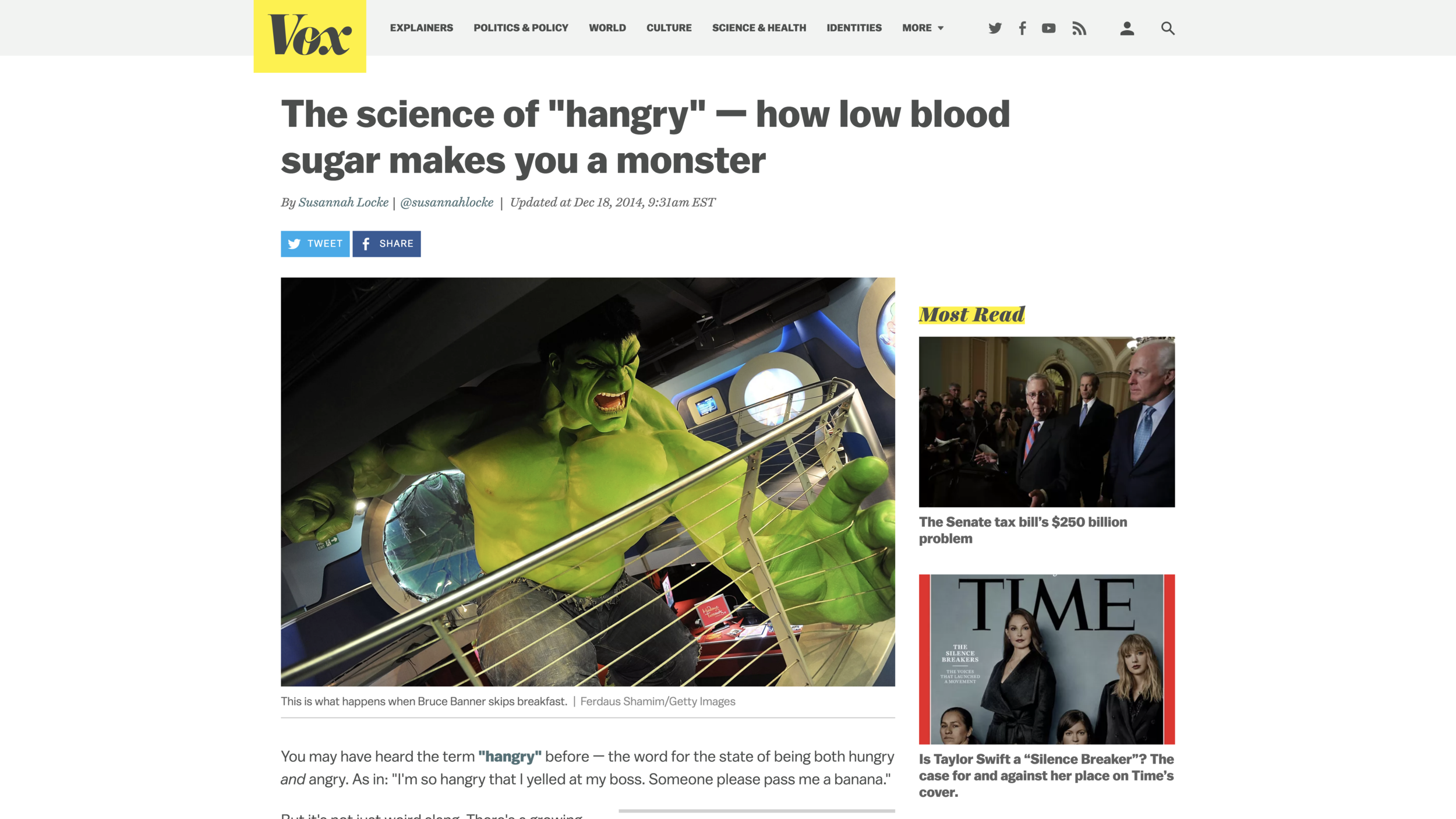
- How Sugar Makes People Hangry 219
- The Evolution of the Dominant Sector of the Economy of Each US State, 1990-2013| 219
- The Supply and Demand for Paper Currency When Interest Rates Are Negative 211
- The Lump-of-Labor Model 210
- Miles's Recipe for Success 210
- John Locke on Diminishing Marginal Utility as a Limit to Legitimately Claiming Works of Nature as Property 207
- Travis Bradberry: 10 Habits All Genuinely Confident People Share 206
- Alexander Trentin Interviews Miles Kimball about Establishing an International Capital Flow Framework 196
- Tom Gauld's Sympathy Cards for Scientists 196
- The Economist on Minimum Wages Versus Wage Subsidies 194
- The Size of Africa Revisited Once More with Hajime Narukawa's Authagraph World Map 191
- Travis Bradberry: Ten Guaranteed Ways To Appear Smarter Than You Are 185
- Not Just a Piece of Paper 183
- Janet Adamy and Paul Overberg on Immobility in America 178
- Freedom Under Law Means All Are Subject to the Same Laws 171
- Paula Kimball Gardner, Mary Kimball Dollahite and Sarah Camilla Kimball Whisenant on Edward Lawrence Kimball 161
- If the Justice System Does Not Try to Deliver Justice, We Are in a State of War 157
- The Scientific Approach to Monetary Rules 156
- John Locke: When the Police and Courts Can't or Won't Take Care of Things, People Have the Right to Take the Law Into Their Own Hands 153
- On the Virtue of Self-Distraction 151
- John Locke: Property in the State of Nature 149
- The Unmaking 148
- The Swiss National Bank May Need to Cut Its Target Rate Further Now That It Could Get In Trouble with the US If It Keeps Buying So Many Foreign Assets 145
- A New Era for the Fed 144
- Luigi Guiso, Helios Herrera, Massimo Morelli and Tommaso Sonno: There Is a Cultural Channel Causing People to Vote for Populism, But Not a Cultural Cause. The Cause Is Still Economic Insecurity 140
- Greg Ip—The Fed's Choice: Overheat the Economy or Give Up Its 2% Per Year Inflation Target 138
- John Locke Pretends Land Ownership Goes Back to the Original Peopling of the Planet 138
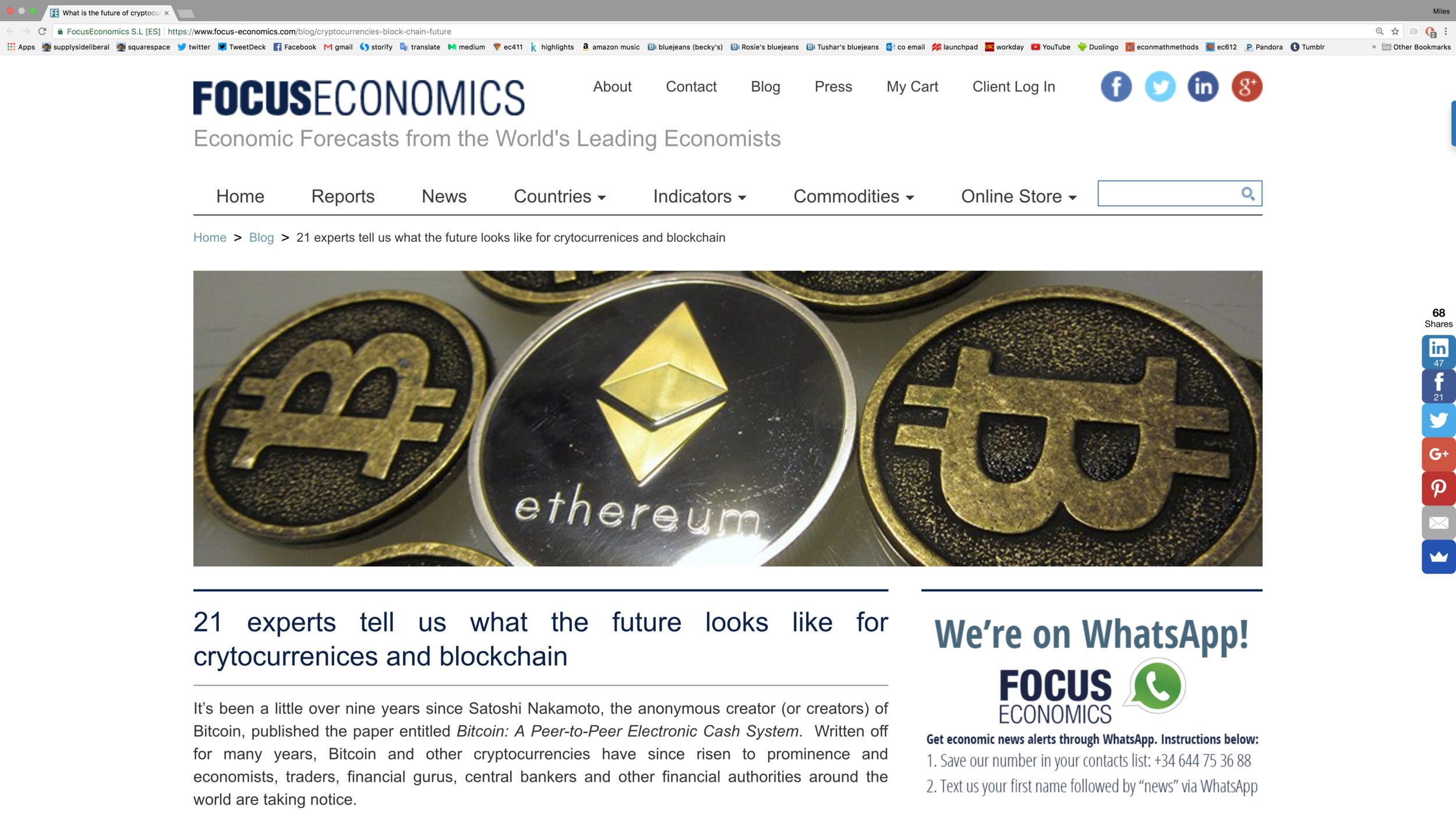
- 21 Experts Tell Us What the Future Looks Like for Cryptocurrencies and Blockchain 138
- John Locke's Song of Praise for Work 135
- FocusEconomics Top Blogs in Economics and Finance 133
- John Locke: Freedom is Life; Slavery Can Be Justified Only as a Reprieve from Deserved Death 132
- John Locke: Rivalry in Consumption Makes Private Property Unavoidable 132
- Tim Harford: Facts Without Curiosity are Dead 131
- Western Values, According to Stephen Miller and Donald Trump 130
- Kearns, Schmidt and Glantz—Sugar Industry and Coronary Heart Disease Research: A Historical Analysis of Internal Industry Documents 129
- John Locke: Law Is Only Legitimate When It Is Founded on the Law of Nature 129
- Greg Ip Defends the Dismal Science 129
- The International Trade System Should Be Designed to Foster More Balanced Trade 120
- Building Up With Grace 119
- Reparation and Deterrence 116
- Peter Conti-Brown: More Checks and Balances Are Needed for the Fed's General Counsel 113
- Human Beings as Social—and Trading—Animals 113
- Statistical Tests to End the Curse of Gerrymandering 112
- Doug Elmendorf and Greg Ip on the Value of Economics for Public Policy 112
- John Locke: The Right to Enforce the Law of Nature Does Not Depend on Any Social Contract 111
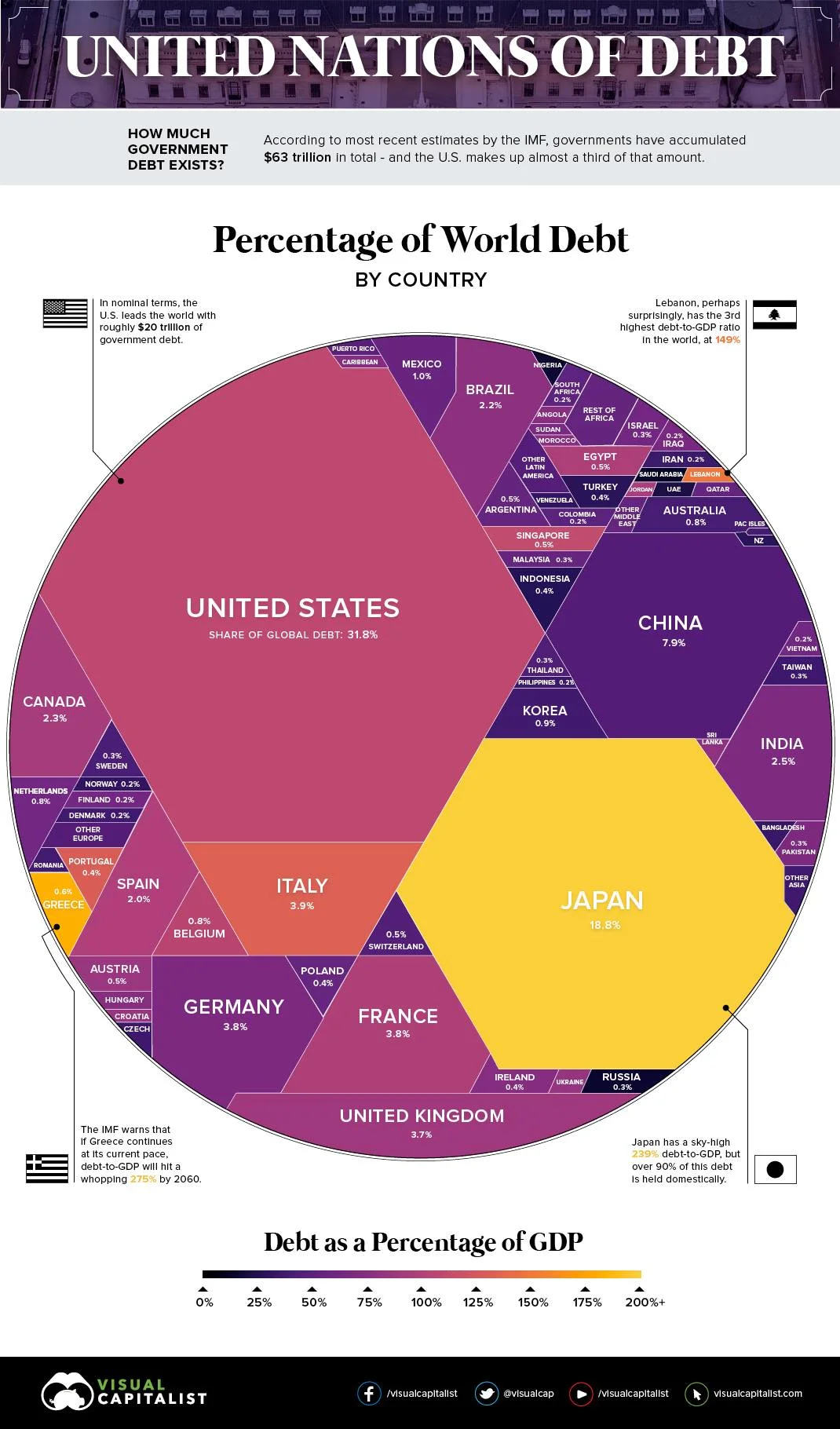
- The World of Debt 111
- Jordan B. Peterson on the True Purpose of a University Education 111
- Nick Timiraos and Andrew Tangel: In the Long Term, an Economy Can’t Expand Faster than the Combined Growth Rates of Its Working Population and Their Output Per Hour 109
- Some Selections Related to Negative Interest Rate Policy from the General Discussions at the 2016 Jackson Hole Symposium on "Designing Resilient Monetary Policy Frameworks for the Future" 109
- Presidential Q&A: Is a Strong Dollar or a Weak Dollar Good for the Economy? 108
- John Locke: Lions and Wolves and Enemies, Oh My 108
- Edward Lawrence Kimball on Mormonism, Part 1| 108
- Spencer Levan Kimball Fighting the TIAA/CREF Monopoly at the University of Chicago in 1980| 105
- David Brooks: The Crisis of Western Civ 105
- Confirmation Bias in the Interpretation of New Evidence on Salt 102
- Against Occupational Licensing 101
- One for All: John Woodland "Jack" Welch on Edward Lawrence Kimball 101
- On Theft 101
- Japan Shows How to Do Interest Rate Targets for Long-Term Bonds Instead of Quantity Targets 101
- John Locke: Theft as the Little Murder 100
- Steve Durlauf on Legally Encouraged Residential Segregation as a Perpetuator of Inequality 88
- Heat Chart: Monthly Average Global Temperatures Relative to 1881-1910| 87
- Making Collective Choices: Quadratic Voting and the Normalized Gradient Addition Mechanism 86
- Jordan Andrew Kimball on Edward Lawrence Kimball 85
- John Locke: Foreign Affairs Are Still in the State of Nature 84
- Private Property Reduces Decision-Making Costs 83
- Hilary Putnam on the Philosophy of Science 82
- Roundtable Discussion of the Reproducibility Crisis and the Proposal to Make Half a Percent the Standard for Statistical Significance 80
- Hal Boyd: The Ignorance of Mocking Mormonism (aggregator post for religion posts, especially posts on Mormonism) 80
- FocusEconomics: How Will the Fed Reduce Its Balance Sheet & How Will the ECB End QE? - 18 Economic Experts Weigh In 78
- Binyamin Applebaum: Fewer Immigrants Mean More Jobs? Not So, Economists Say 78
- Kurt Andersen's New Admiration for Mormons 76
- John Roberts on the Roots of Empathy and Compassion 76
- On When the Private Sector Being Smarter than the Government Is a Problem 75
- Spencer Levan Kimball on How the Federal Government Can Support and Direct Rather than Undermine State Regulation 74
- Putting the Perspective from Jason Fung's "The Obesity Code" into Practice 74
- Daniel Herriges Digs Deep into the Preferences that Matter for a 'Traffic Problem' 73
- Anglophone Economics Blogs Leaders 71
- The Latest Betting Odds on the 2018 Fed Chair (link) 70
- Jeffrey Rogers Hummel's Review of Ken Rogoff’s The Curse of Cash and Ken's Response 69
- John Locke Off Base with His Assumption That There Was Plenty of Land at the Time of Acquisition 68
- Monetary Policies in the Age of Uncertainty 67
- Gordon B. Hinckley on Saving the World 66
- Alice Han and Chris Miller: Political Economy Roots of China's Debt Problem 65
- A Beautiful Example of Evolution Right Before Our Eyes 64
- Analogies Between Economic Models and the Biology of Obesity 64
Older Posts with Continuing Popularity
- John Stuart Mill's Brief for Freedom of Speech 9113
- There's One Key Difference Between Kids Who Excel at Math and Those Who Don't (with Noah Smith) 3572
- The Complete Guide to Getting into an Economics PhD Program (with Noah Smith) 3245
- William Graham Sumner, Social Darwinist 2846
- How and Why to Eliminate the Zero Lower Bound: A Reader’s Guide 2420
- Why Taxes are Bad 2187
- The Medium-Run Natural Interest Rate and the Short-Run Natural Interest Rate 2112
- Contra John Taylor 1960
- Joshua Foer on Deliberate Practice 1919
- Why I Write 1915
- John Stuart Mill’s Vigorous Advocacy of Education Vouchers 1908
- Government Purchases vs. Government Spending 1680
- How to Turn Every Child into a "Math Person" 1520
- The Logarithmic Harmony of Percent Changes and Growth Rates 1302
- Daniel Coyle on Deliberate Practice 1262
- Ezequiel Tortorelli: The Trouble with Argentina 1234
- Shane Parrish on Deliberate Practice 1142
- Robert Shiller: Against the Efficient Markets Theory 1122
- John Stuart Mill’s Defense of Freedom 1091
- Monetary vs. Fiscal Policy: Expansionary Monetary Policy Does Not Raise the Budget Deficit 937
- John Stuart Mill on Freedom from Religion 868
- Dr. Smith and the Asset Bubble 839
- What is the Effective Lower Bound on Interest Rates Made Of? 823
- On Master's Programs in Economics 814
- John Stuart Mill's Brief for Individuality 753
- How and Why to Expand the Nonprofit Sector as a Partial Alternative to Government: A Reader’s Guide 631
- Inequality Is About the Poor, Not About the Rich 603
- Fields Medal Winner Maryam Mirzakhani's Slow-Cooked Math 599
- What is a Supply-Side Liberal? 585
- Silvio Gesell's Plan for Negative Nominal Interest Rates 556
- Higher Inflation Is Not the Answer 551
- The Message of Mormonism for Atheists Who Want to Stay Atheists 540
- Sticky Prices vs. Sticky Wages: A Debate Between Miles Kimball and Matthew Rognlie 533
- Roger Farmer and Miles Kimball on the Value of Sovereign Wealth Funds for Economic Stabilization 502
- Nicholas Kristof: "Where Sweatshops are a Dream" 492
- John Stuart Mill: In Praise of Eccentricity 456
- The Coming Transformation of Education: Degrees Won’t Matter Anymore, Skills Will 433
- Even Central Bankers Need Lessons on the Transmission Mechanism for Negative Interest Rates 431
- John Stuart Mill: Two Maxims for Liberty 429
- John Stuart Mill’s Roadmap for Freedom 410
- Cognitive Economics 407
- The Shape of Production: Charles Cobb's and Paul Douglas's Boon to Economics 397
- Why I Read More Books than Economic Journal Articles 387
- My Dad 381
- The Unavoidability of Faith 377
- What If Jesus Was Really Resurrected? Musings of a Non-Supernaturalist 358
- How Increasing Retirement Saving Could Give America More Balanced Trade 357
- John Stuart Mill on Balancing Christian Morality with the Wisdom of the Greeks and Romans 355
- John Stuart Mill’s Brief for the Limits of the Authority of Society over the Individual 354
- How Subordinating Paper Currency to Electronic Money Can End Recessions and End Inflation 351
- Bruce Greenwald: The Death of Manufacturing & the Global Deflation 347
- Can Taxes Raise GDP? 347
- Heroes of Science Action Figures 344
- Miles Moves to the University of Colorado Boulder 339
- An Agnostic Prayer for Strength 339
- David Dreyer Lassen, Claus Thustrup Kreiner and Søren Leth-Petersen—Stimulus Policy: Why Not Let People Spend Their Own Money? 323
- Hannah Katz: The Pros and Cons of Tipping Culture 319
- One of the Biggest Threats to America's Future Has the Easiest Fix 312
- "The Hunger Games" Is Hardly Our Future--It's Already Here 304
- Jeff Smith: More on Getting into an Economics PhD Program 298
- John Stuart Mill: In the Parent-Child Relationship, It is the Children that Have Rights, Not the Parents 297
- 18 Misconceptions about Eliminating the Zero Lower Bound 296
- Teleotheism and the Purpose of Life 296
- Expansionist India 287
- The Deep Magic of Money and the Deeper Magic of the Supply Side 282
- On the Great Recession 282
- John Stuart Mill on Public and Private Actions 276
- The Descent—and the Divine Calling—of the Modernists 269
- Greg Shill: Does the Fed Have the Legal Authority to Buy Equities? 264
- Us and Them 258
- On Having a Thesis 256
- John Locke on Punishment 255
- International Finance: A Primer 247
- Franklin Roosevelt on the Second Industrial Revolution 246
- Miles Kimball - Google Scholar Citations 243
- Cathy O'Neil on Slow-Cooked Math 240
- On the Consumer Financial Protection Bureau 238
- JP Morgan’s Michael Feroli, Malcolm Barr, Bruce Kasman and David Mackie On Board for Negative Rates 234
- John Stuart Mill on Freedom of Thought 227
- John Locke on the Equality of Humans 226
- Samantha Shelley: Why I'll Never Regret Being Mormon 222
- John Stuart Mill Applies the Principles of Liberty 221
- How Conservative Mormon America Avoided the Fate of Conservative White America 217
- How Albert Einstein Became a Celebrity 214
- Electronic Money: The Powerpoint File 212
- Miles's Linguistics Master's Thesis: The Later Wittgenstein, Roman Jakobson and Charles Saunders Peirce 206
- Noah Smith: Buddha Was Wrong About Desire 205
- Janet Yellen is Hardly a Dove—She Knows the US Economy Needs Some Unemployment 204
- John Stuart Mill's Argument Against Political Correctness 203
- Jobs 202
- Godless Religion 202
- Social Liberty 201
- John Stuart Mill on the Historical Origins of Liberty 197
- Noah Smith: You Are Already in the Afterlife 197
- Barbara Oakley: How We Should Be Teaching Math 196
- Why I am a Macroeconomist: Increasing Returns and Unemployment 188
- The Equilibrium Paradox: Somebody Has to Do It 185
- The Message of “Sal Tlay Ka Siti” 180
- Two Types of Knowledge: Human Capital and Information 176
- Matt Waite: How I Faced My Fears and Learned to Be Good at Math 173
- Enkhjargal Lkhagvajav: John Taylor is Wrong—Inequality *Is* Holding Back the Recovery 169
- How Big is the Sexism Problem in Economics? 168
- The Shakeup at the Minneapolis Fed and the Battle for the Soul of Macroeconomics—Again 167
- Timeline: The True History of the World and Its Temperature in Cartoons (link) 165
- When Women Don’t Get Any Credit for Coauthoring with Men 164
- Jaewon Lee: Lobbying vs. Bribery 160
- Expert Performance and Deliberate Practice 159
- Noah Smith: God and SuperGod 158
- The Importance of the Next Generation: Thomas Jefferson Grokked It 156
- Democracy is Not Freedom 155
- Mary O'Keeffe on Slow-Cooked Math 154
- Bruce Bartlett on Careers in Economics and Related Fields 151
- Top 52 All-Time Posts and All My Columns Ranked by Popularity, as of May 23, 2014 151
- How Freedom of Speech for Falsehood Keeps the Truth Alive 149
- Ryo Ishida: Japan’s Hometown Tax Payment System as an Analog for a Public Contribution System 148
- A Note for Graduate Students in Economics Looking for Ph.D. Dissertation Topics 148
- Noah Smith: Why Do Americans Like Jews and Dislike Mormons? 148
- Marc F. Bellemare's Story: "I'm Bad at Math" 144
- John Stuart Mill on the Adversary System 142
- Marriage 101| 142
- Marvin Goodfriend on Electronic Money 141
- So You Want to Save the World 140
- John L. Davidson on Resolving the House Mystery: The Institutional Realities of House Construction 140
- The Government and the Mob 140
- The Path to Electronic Money as a Monetary System 139
- John Stuart Mill on Benevolent Dictators 137
- Noah Smith—Jews: The Parting of the Ways 133
- The Aluminum Rule 133
- Wallace Neutrality Roundup: QE May Work in Practice, But Can It Work in Theory? 132
- Why Scott Fullwiler Misses the Point in “Why Negative Nominal Interest Rates Miss the Point” 129
- Books on Economics 129
- The Wrong Side of Cobb-Douglas: Matt Rognlie’s Smackdown of Thomas Piketty Gains Traction 127
- Paul Finkelman: The Monster of Monticello 127
- Helicopter Drops of Money Are Not the Answer 126
- Why Thinking about China is the Key to a Free World 125
- Benjamin Franklin's Strategy to Make the US a Superpower Worked Once, Why Not Try It Again? 125
- Owen Nie: Monetary Policy in Colonial New York, New Jersey and Delaware 124
- Negative Rates and the Fiscal Theory of the Price Level 124
- How I Became Optimistic 124
- Ben Bernanke: Negative Interest Rates are Better than a Higher Inflation Target 119
- Robert Eisler—Stable Money: The Remedy for the Economic World Crisis 117
- An Agnostic Grace 116
- Inside Mormonism: The Home Teachers Come Over 115
- Clay Christensen, Jerome Grossman and Jason Hwang on the Three Basic Types of Business Models 114
- Responding to Joseph Stiglitz on Negative Interest Rates 113
- Eric Schlosser on the Underground Economy 112
- The Rise and Fall of Venice 112
- Should Troubling Arguments Be Kept Away from Those Who Might Be Unduly Swayed by Them? 111
- Will Women Ever Get the Mormon Priesthood? 111
- John Stuart Mill on Being Offended at Other People's Opinions or Private Conduct 110
- Noah Smith: Sunni Islam is Failing 110
- Democratic Injustice 110
- Charles Murray: Why Capitalism Has an Image Problem 109
- The Egocentric Illusion 109
- What is a Partisan Nonpartisan Blog? 109
- In Praise of Trolls 109
- What Do You Mean by "Supernatural"? 108
- Jing Liu: Show Kids that Solving Math Problems is Like Being a Detective 106
- Visionary Grit 105
- "The ideas of economists and political philosophers, both when they are right and when they are wrong, are more powerful than is commonly understood. ..." 104
- Glenn Ellison's New Book: Hard Math for Elementary School 104
- The Arbitrage Pricing Theory as a Noise Trader Model 103
- John Stuart Mill on the Protection of "Noble Lies" from Criticism 103
- Negative Interest Rate Policy as Conventional Monetary Policy: Full Text 101
- Matt Strassler on Theoretical Physics 101
- Steven Pinker on the Goal of Education 101
- The Economist on the End of Cars as We Know Them 100
- Let the Wrong Come to Me, For They Will Make Me More Right 100
- After Crunching Reinhart and Rogoff's Data, We Found No Evidence High Debt Slows Growth 100
- David Byrne: De Gustibus Non Est Disputandum 100
- The True Size of Africa, Revisited 99
- David Brooks: The Moral Bucket List (link) 98
- Pro Gauti Eggertsson 97
- John Stuart Mill on the Rich and the Elite 95
- Inequality Aversion Utility Functions: Would $1000 Mean More to a Poorer Family than $4000 to One Twice as Rich? 95
- John Stuart Mill on the Protection of "Noble Lies" from Criticism 95
- John Stuart Mill: How Laws Against Self-Harm Backfire 94
- Leveling Up: Making the Transition from Poor Country to Rich Country 94
- Top 10 Posts on supplysideliberal.com as of July 1, 2012| 94
- Scott Adams's Finest Hour: How to Tax the Rich 94
- How to Find Your Comparative Advantage 94
- Anat Admati, Martin Hellwig and John Cochrane on Bank Capital Requirements 94
- The Mormon View of Jesus 94
- Farqani Mohd Noor: Malaysia Should Maintain a Flexible Exchange Rate for Monetary Independence 92
- Isaac Sorkin: Don't Be Too Reassured by Small Short-Run Effects of the Minimum Wage 92
- Odious Wealth: The Outrage is Not So Much Over Inequality but All the Dubious Ways the Rich Got Richer 92
- Rodney Stark on the Status of Women in Early Christianity 91
- Why Progressives and Conservatives Need Each Other 91
- Why Financial Stability Concerns Are Not a Reason to Shy Away from a Robust Negative Interest Rate Policy 90
- Michael Huemer's Libertarianism 90
- Facebook Convo on Women in Economics 89
- John Stuart Mill on the Gravity of Divorce 89
- Scrooge and the Ethical Case for Consumption Taxation 89
- Q&A With Gerard MacDonell on My Presentation “Enabling Deeper Negative Interest Rates by Managing the Side Effects of a Zero Paper Currency Interest Rate” 88
- An Economist's Mea Culpa: I Relied on Reinhart and Rogoff 88
- Henrik Jensen: Willem and the Negative Nominal Interest Rate 88
- Density is Destiny 86
- John Stuart Mill on the Need to Make the Argument for Freedom of Speech 85
- VAT: Help the Poor and Strengthen the Economy by Changing the Way the US Collects Tax 84
- An Agnostic Invocation 84
- The Flat Tax, The Head Tax and the Size of Government: A Tax Parable 82
- Michael Huemer's Immigration Parable 82
- My Mother 80
- The Mystery of Consciousness 80
- The Racist Origins of the Idea of the "Dumb Jock" 78
- Brio in Blog Posts 77
- John Stuart Mill: A Remedy for the One-Sidedness of the Human Mind 77
- Christian Kimball on the Fallibility of Mormon Leaders and on Gay Marriage 77
- Safe, Legal, Rare and Early 77
- Balance Sheet Monetary Policy: A Primer 75
- Economic Fiction (The Good Kind) 74
- Enabling Deeper Negative Rates by Managing the Side Effects of a Zero Paper Currency Interest Rate: The Video 74
- John Stuart Mill on the Role of Custom in Human Life 74
- My Experiences with Gary Becker 74
- Fanglue Zhou: The Market for Cars in China 74
- How to Handle Worries about the Effect of Negative Interest Rates on Bank Profits with Two-Tiered Interest-on-Reserves Policies 73
- Barack Obama: Football as the Best Sports Analogy for Politics 73
- Legitimate Power and Authority 73
- QE or Not QE: Even Economists Need Lessons in Quantitative Easing, Bernanke Style 73
- So What If We Don't Change at All…and Something Magical Just Happens? 73
- Clay Shirky: Why I Just Asked My Students To Put Their Laptops Away 72
- More on Original Sin and the Aggregate Demand Effects of Interest Rate Cuts: Olivier Wang and Miles Kimball 72
- America's Big Monetary Policy Mistake: How Negative Interest Rates Could Have Stopped the Great Recession in Its Tracks 72
- John Stuart Mill on Puritanism 72
- Adam Ozimek on Worker Voice 70
- Big Brother Speaks: Christian Kimball on Mitt Romney 70
- A Minimalist Implementation of Electronic Money 69
- Larry Summers Just Confirmed that He is Still a Heavyweight on Economic Policy 69
- Could Be Worse: Key & Peele on Keeping a Positive Attitude in Trying Situations 68
- Grammar Girl: Speaking Reflexively 68
- Q&A: How Can Electronic Money Eliminate Inflation? 68
- The Case for Gay Marriage is Made in the Freedom of Religion 68
- Next Generation Monetary Policy: The Video 67
- Rich, Poor and Middle-Class 67
- Luigi Zingales: Pro-Market vs. Pro-Business 66
- Matt Rognlie on Misdiagnosis of Difficulties and the Fear of Looking Foolish as Barriers to Learning 66
- John Stuart Mill on Having a Day of Rest and Recreation 65
- Why I Blog 65
- Kevin Remisoski on Teaching and Learning Math 65
- How the Original Sin of Borrowing in a Foreign Currency Can Reduce the Effectiveness of Monetary Policy for Both the Borrowing and Lending Country 64
- Magic Ingredient 1: More K-12 School 64
- Joshua Foer on Memory 64
- Japan's Move Toward a Sovereign Wealth Fund Policy 64
Many of the popular older posts are posts that turn up easily in Google searches.