You Can Learn Dramatically More in the Same Amount of Time. Here’s How.
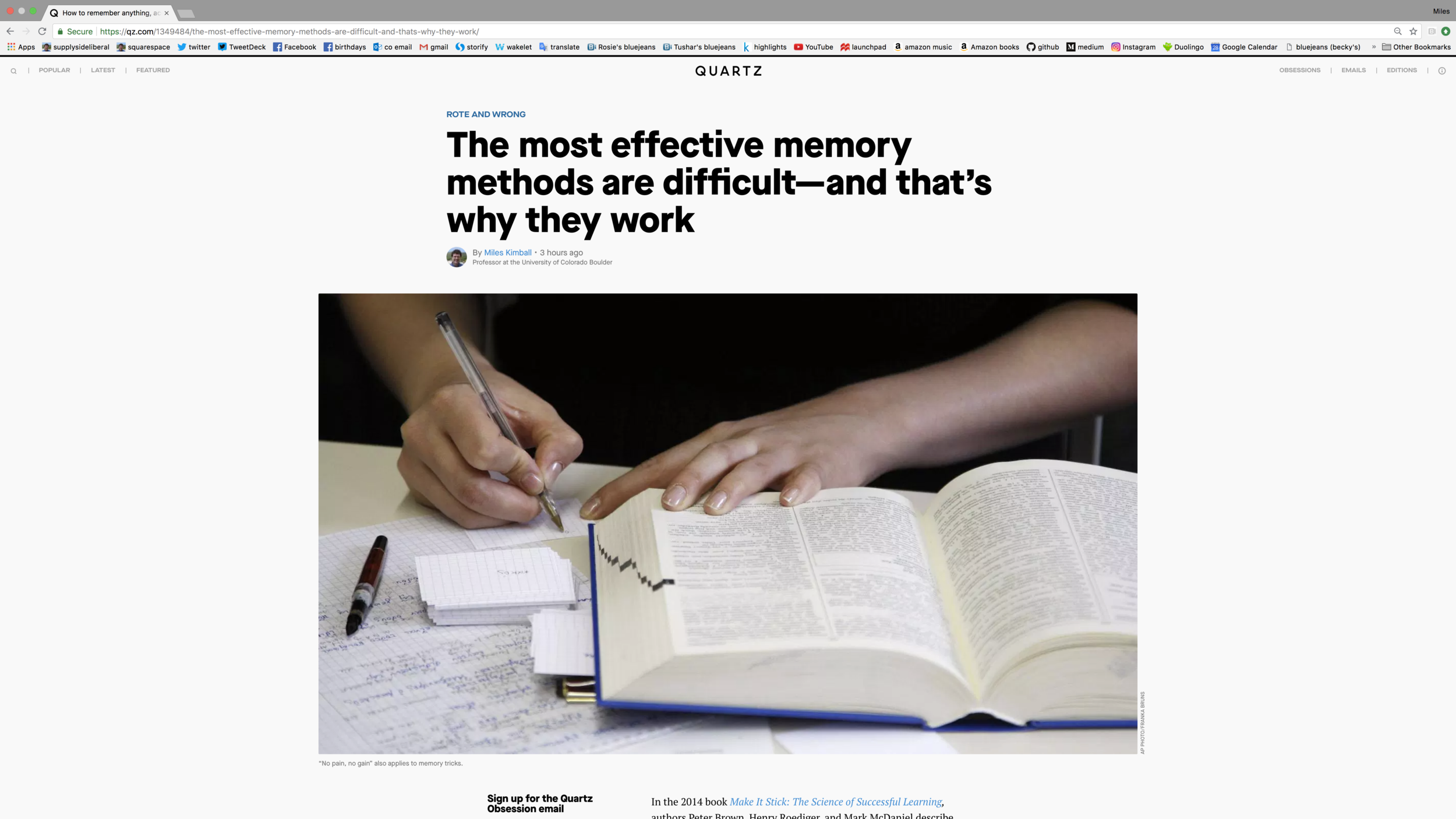
Here is a link to my 69th Quartz column, "The most effective memory methods are difficult—and that's why they work."  

Note: You can see all of my previous Quartz columns listed in order of popularity here.

Below are some passages that were cut to keep the column tight, plus suggested reading:


When people think of technological progress, they usually think of technological progress in the natural sciences and their applied wings: physics, biology, engineering and medicine, for example. Bu at least one area of the social sciences where technological progress has the potential to make a major difference to conventionally-measured GDP: the science of learning and teaching. Between learning and teaching, the science of learning comes first, since teaching is nothing more than helping someone to learn.

Some of the most exciting science about learning comes from psychologists rather than education school professors. ...

Implications for teaching. For teachers, this research on learning points to the value of anything that gets students to work hard during class. For example it helps to get students up to the board, to give them mini-quizzes or questions they answer with clickers, or to have students write a few sentences about what they learned at the end of class. But what really works for lasting learning is so individualized that classroom techniques only go so far.

In an extensive 2017 survey of randomized field experiments of schooling, Harvard economist Roland Fryer finds that tutoring is one of the few educational interventions with big effects. One likely reason for this is that tutors quite naturally challenge students in the way the ideal flashcard app would, as well as challenging students to explain concepts in their own words. The effectiveness of tutoring is not lost on college students. During the time I worked at the University of Michigan, so many students from relatively well-off families were hiring tutors as a boost to their coursework that many of our economics graduate students could make just as much money being a tutor as they could as official teaching assistants.

The trouble with human tutors is that they are expensive. Fortunately, there is hope that computers can become better and better tutors. Typical classes are so ineffectively taught that learning software designed to go along with the regular curriculum typically doesn’t do much good, but experimental evidence already indicates the value of learning software designed to act as a tutor.

But you don’t need a tutor or tutoring software to be an ace learner. All you need is the courage and determination to brave the hard knocks of techniques that constantly make you feel stupid by showing you what you don’t know yet.

Conclusion. There are some other things to learn about learning. For example, there are excellent tricks to get good memory cues: The alphabet song has helped millions of kids master the alphabet, the acronym OCEAN has helped psyche students remember the Big Five personality traits and memory champions use more elaborate “memory palace” techniques (described here) that also work like a charm. But the basic principle is the one above:

If it isn’t making you feel stupid, it isn’t helping you learn.

Or less bluntly, in the words of Peter Brown, Henry Roediger, and Mark McDaniel in Make It Stick:

Learning is deeper and more durable when it’s effortful. Learning that’s easy is like writing in sand, here today and gone tomorrow.

We are poor judges of when we are learning well and when we’re not. When the going is harder and slower and it doesn’t feel productive, we are drawn to strategies that feel more fruitful, unaware that the gains from these strategies are often temporary.

Related Columns:

Link to the Amazon page for Make It Stick

Suggested Further Reading by Make It Stick (quotation, bulleting added, bold changed to italics)

Scholarly Articles

  • Crouch, C. H., Fagen, A. P., Callan, J. P., & Mazur, E. (2004). Classroom demonstrations: Learning tools or entertainment? American Journal of Physics, 72, 835–838. An interesting use of generation to enhance learning from classroom demonstrations.
  • Dunlosky, J., Rawson, K. A., Marsh, E. J., Nathan, M. J., & Willingham, D. T. (2013). Improving students’ learning with effective learning techniques: Promising directions from cognitive and educational psychology. Psychological Science in the Public Interest 14, 4–58. Describes techniques that research has shown to work in improving educational practice in both laboratory and field (educational) settings, as well as other techniques that do not work. Provides a thorough discussion of the research literature supporting (or not) each technique.
  • McDaniel, M. A. (2012). Put the SPRINT in knowledge training: Training with SPacing, Retrieval, and INTerleaving. In A. F. Healy & L. E. Bourne Jr. (eds.), Training Cognition: Optimizing Efficiency, Durability, and Generalizability (pp. 267–286). New York: Psychology Press. This chapter points out that many training situations, from business to medicine to continuing education, tend to cram training into an intensive several day “course.” Evidence that spacing and interleaving would be more effective for promoting learning and retention is summarized and some ideas are provided for how to incorporate these techniques into training.
  • McDaniel, M. A., & Donnelly, C. M. (1996). Learning with analogy and elaborative interrogation. Journal of Educational Psychology 88, 508–519. These experiments illustrate the use of several elaborative techniques for learning technical material, including visual imagery and self-questioning techniques. This article is more technical than the others in this list.
  • Richland, L. E., Linn, M. C., & Bjork, R. A. (2007). Instruction. In F. Durso, R. Nickerson, S. Dumais, S. Lewandowsky, & T. Perfect (eds.), Handbook of Applied Cognition (2nd ed., pp. 553–583). Chichester: Wiley. Provides examples of how desirable difficulties, including generation, might be implemented in instructional settings.
  • Roediger, H. L., Smith, M. A., & Putnam, A. L. (2011). Ten benefits of testing and their applications to educational practice. In B. H. Ross (ed.), Psychology of Learning and Motivation. San Diego: Elsevier Academic Press. Provides a summary of the host of potential benefits of practicing retrieving as a learning technique.

Books

  • Brooks, D. The Social Animal: The Hidden Sources Love, Character, and Achievement. New York: Random House, 2011.
  • Coyle, D. The Talent Code: Greatness Isn’t Born. It’s Grown. Here’s How. New York: Bantam Dell, 2009.
  • Doidge, N. The Brain the Changes Itself: Stories of Personal Triumph from the Frontiers of Brain Science. New York: Penguin Books, 2007.
  • Duhigg, C. The Power of Habit: Why We Do What We Do in Life and Business. New York: Random House, 2012.
  • Dunlosky, J., & Metcalfe, J. Metacognition. Los Angeles: Sage Publications, 2009.
  • Dunning, D. Self-Insight: Roadblocks and Detours on the Path to Knowing Thyself (Essays in Social Psychology). New York: Psychology Press, 2005.
  • Dweck, C. S. Mindset: The New Psychology of Success. New York: Ballantine Books, 2008.
  • Foer, J. Moonwalking with Einstein: The Art and Science of Remembering Everything. New York: Penguin, 2011.
  • Gilovich, T. How We Know What Isn’t So: The Fallibility of Human Reason in Everyday Life. New York: Free Press, 1991.
  • Gladwell, M. Blink: The Power of Thinking Without Thinking. New York: Little, Brown & Co., 2005. _______. Outliers: The Story of Success. New York: Little Brown & Co, 2008.
  • Healy, A. F. & Bourne, L. E., Jr. (Eds.). Training Cognition: Optimizing Efficiency, Durability, and Generalizability. New York: Psychology Press, 2012.
  • Kahneman, D. Thinking Fast and Slow. New York: Farrar, Straus and Giroux, 2011. Mayer, R. E. Applying the Science of Learning. Upper Saddle River, NJ: Pearson, 2010.
  • Nisbett, R. E. Intelligence and How to Get It. New York: W. W. Norton & Company, 2009.
  • Sternberg, R. J., & Grigorenko, E. L. Dynamic Testing: The Nature and Measurement of Learning Potential. Cambridge: University of Cambridge, 2002.
  • Tough, P. How Children Succeed: Grit, Curiosity, and the Hidden Power of Character. Boston: Houghton Mifflin Harcourt, 2012.
  • Willingham, D. T. When Can You Trust the Experts: How to Tell Good Science from Bad in Education. San Francisco: Jossey-Bass, 2012.
  • Worthen, J. B., & Hunt, R. R. Mnemonology: Mnemonics for the 21st Century (Essays in Cognitive Psychology). New York: Psychology Press, 2011.
Letting Go of Sugar

Link to the video above on YouTube. Link to the lyrics for the song "Now I Know."

An official designation that something is "addictive" is a very political matter. But the addictive, or at least psychotropic, quality of sugar is indicated by things like:

  • the way children's perception of their day revolves around the sugary treats they consumed,

  • the physiological and mental changes that loosen the hold of sugar after three weeks or so of avoiding it, and

  • the ease with which lyrics about romantic relationships can be reinterpreted as lyrics about sugar.

At the top, I have a video of Lari White singing "Now I Know." Try interpreting the second person pronoun "you" in these first two stanzas and refrain in the middle as referring to sugar:

I always wondered how I'd live without you
If you ever said goodbye
Would I just live in dreams about you
With tears in my eyes
Would I fall to pieces when you go
I always wondered how I'd live without you
Now I know

I'm doing alright
I'm strong enough to make it on my own
I'm not afraid of the night
I'm learning how to face it alone
I've been good at holding on
Now I'm learning to let go
I always wondered how I'd live without you
Now I know

I always wondered what I'd do without you
I found out today
I got up and made a cup of coffee
And time just slipped away
I dressed up and went out on the town
To places you'd never go
I always wondered what I'd do without you
Now I know

Let me offer some tips for escaping the thrall of sugar.

Three Weeks' Patience. The first is one I alluded to above: if you can go three weeks without eating sugar, it will get easier. It may still be hard, but sugar won't call to you quite as much. Foods that didn't taste that sweet to you before will start tasting sweet. And if you try again some of the foods you used to love, they will taste too sweet. 

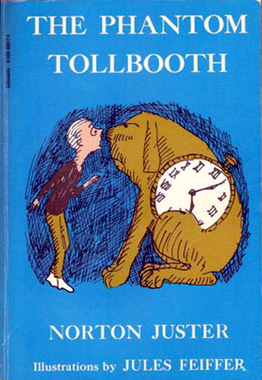
What is more, if you can go three weeks without eating sugar, then if you do eat sugar again, you will be able to notice what it does to you: sugar makes you hungry. The calories-in/calories out identity is so misused in our society that I don't like to talk too much about calories. But there is one context in which I don't mind talking about calories. A key ratio for foods and beverages is the satiety to calorie ratio. If the satiety to calorie ratio is high, you will naturally want to stop eating before eating too many calories. If the satiety to calorie ratio is low, you will naturally want to eat too many calories. My experience is that sugar has a negative satiety to calorie ratio: eating sugar doesn't make you feel more full; it makes you feel hungrier, like subtraction soup in one of my favorite childhood books: The Phantom Tollbooth.  

Give Sugar Some Competition. It is hard to beat something with nothing. When you are going off sugar, especially in the first three weeks, always have with you a nonsugary treat to substitute for sugary treats you are tempted by. Unless you have an allergy, I view any kind of nut as very healthy. In a Ziploc bag, you can take nuts with you anywhere you would be tempted by a sugary treat. (See "Our Delusions about 'Healthy' Snacks—Nuts to That!") Besides nuts, chocolate with at least 88% cocoa (which has a little sugar but not much), good-tasting cheese, and coffee or tea (with cream if you like, but no sugar) can be a good competitor for much less healthy sugary treats. (See "Intense Dark Chocolate: A Review," "My Giant Salad" and "Eating on the Road.") At home, frozen cherries, fresh peaches or other fruit with half-and-half (but no added sugar) are excellent competition for sugary treats. If you crave carbs, plain oatmeal with half-and-half is one of the safest ways to indulge in something that seems carbolicious. (Lean away from instant oatmeal, which is likely to be more quickly digested and so have more of an insulin kick.) 

To prevent temptation before it begins, make sure to invent some very healthy, substantial dishes that you love to eat and love to make. For me it is "My Giant Salad." Also figure out some easy snacks that give you variety. One weird bit of variety for me is eating hearts of palm straight from the jar. They may not appeal to you. Find something healthy that does!

Know the Names of Sugar.  I found a useful page on the many names of sugar: "56 Most Common Names for Sugar You Should Know." Follow the rule that sugar is sugar. For example, honey, agave nectar and fruit juice count as sugar. The one exception is this: with a little poetic license, it counts as "going off sugar" even if you continue to eat whole fruit of all types. (To the extent that whole fruit is problematic because of the sugar in it, you can worry about that later, after you have successfully escaped from the clutches of all the other forms of sugar.)   

Avoid Nonsugar Sweeteners. Don't just replace sugar one for one with nonsugar sweeteners. It is a big help in going off sugar to get your sense of sweetness recalibrated. Avoiding nonsugar sweeteners is important for that to happen. I am not at zero in my consumption of nonsugar sweeteners, but they aren't a big thing in my eating patterns.

In addition to making it so that your sense of sweetness doesn't get recalibrated, the sweetness of nonsugar sweeteners can easily make you think about eating and therefore increase your appetite (the opposite of satiation). Not all of that happens consciously.

The third problem with nonsugar sweeteners is that all of the most common types have an insulin kick to them. I wish nutrition researchers had reached a consensus on the insulin kick from different kinds of nonsugar sweeteners. Based on what keto websites say, I consider erythritol and oligosaccharides the most nearly innocent nonsugar sweeteners. They are still sweet, but possibly only have a bad effect through sweetness itself. Stevia has a mixed reputation; I don't avoid it totally. 

Don't Prepare Food You Shouldn't Be Eating. My heart goes out to those who are trying to improve their own eating habits but are expected to prepare food for others who are content to eat badly. It is hard to resist eating food that you prepare if it is food that calls to you. Fortunately, people who insist on eating sugary food can usually be bought off with junk food purchased at the grocery store. Since you don't intend to eat what you are buying, make it easier for yourself to keep your resolve by buying things those you are buying for like but that you detest. Then you won't be as tempted. Similarly, if you really can't escape preparing some food you shouldn't be eating, see if you can't get away with preparing something you don't like very much. 

If You Bend the Rules, Eat the Worst Things First. I have read that, historically, the traditionally order of eating—appetizers, main course, dessert—was designed to maximize the appetite of guests at a party. One trouble with that is that if you eat a sugary dessert at the end of a meal, then you are likely to want to eat more after that. Or at a minimum, you will be able to happily get the sugary treat down when eating more of anything else would sound like too much. 

If the traditional order—appetizers, main course, dessert—encourages diners to eat as much as possible, reversing the order—dessert, main course, appetizers—should help you eat less.  An insulin kick or psychological effect from sweetness that makes you want to eat more isn't quite as harmful if the next thing you were going to do was sit down to a giant, healthy salad anyway.

Counter the Sugar Industry's Propaganda. The sugar industry likes to push two lines to divert people's attention from the harm of sugar:

  • A calorie is a calorie

  • Exercise can fully counteract any harm of sugar

Not so. Different calories are associated with dramatically different degrees of satiation. And while exercise will make you healthy, happy and smart, I don't know of any evidence that any amount of exercise below that of a competitive athlete can counteract the harm of a diet that is extremely heavy on sugar. There is some evidence that modest amounts of exercise can be protective against weight gain, but I wonder if that isn't related to exercise making people want to eat less sugar: if you are working so hard on the treadmill, are you really going to (under the conventional theory) undo all that effort by eating a lot of sugar?

One of the most effective ways to counter to the sugar industry's propaganda in your mind is to read Gary Taubes's book The Case Against SugarThis book can be an inspiration to anyone making a serious attempt to let go of sugar. I hope many of my other blog posts, flagged below, can also be helpful to those trying to go off sugar. (You might want to play "Where's Waldo?" with the word "sugar" among those links at the bottom.)

Help Us All Figure Out What Works and What Doesn't in Letting Go of Sugar by Sharing Your Experience. I would love to hear about your experiences—especially if you find going off sugar difficult. Even if I have the basic outline of the science of weight loss right in my contrarian views, the psychology and practicalities of implementing those contrarian views are still in their infancy. Hearing about problems people run into when trying to go off sugar is the only way I know to think about how to deal with those problems. And a brilliant solution you come up with might well be something I would never think of myself in a million years. So let us know about your experiences trying to go off sugar.  


Don’t miss my other posts on diet and health:

I. The Basics

II. Sugar as a Slow Poison

III. Anti-Cancer Eating

IV. Eating Tips

V. Calories In/Calories Out

VI. Other Health Issues

VII. Wonkish

VIII. Debates about Particular Foods and about Exercise

IX. Gary Taubes

X. Twitter Discussions

XI. On My Interest in Diet and Health

See the last section of "Five Books That Have Changed My Life" and the podcast "Miles Kimball Explains to Tracy Alloway and Joe Weisenthal Why Losing Weight Is Like Defeating Inflation." If you want to know how I got interested in diet and health and fighting obesity and a little more about my own experience with weight gain and weight loss, see “Diana Kimball: Listening Creates Possibilities and my post "A Barycentric Autobiography. I defend the ability of economists like me to make a contribution to understanding diet and health in “On the Epistemology of Diet and Health: Miles Refuses to `Stay in His Lane’.”


Dan Reynolds, Lead Singer of Imagine Dragons, on the Human Cost of the Mormon Church's Stand Against Gay Marriage

Trailer for "Believer"

I highly recommend the HBO documentary "Believer." It shows the best and worst of Mormonism in one package. Dan Reynolds's idealism is familiar to me from all of the Mormons and ex-Mormons I know. I believe that idealism owes a lot to his Mormon background. That is the best of Mormonism. 

But also on display in "Believer" is the willingness of Mormon Church leaders put what in their view is essential for the preservation of the institution and their own power—not an entirely distinct concept—ahead of the welfare of gay members of the Mormon Church. 

The Mormon Church has a doctrinal view that is very negative about gay marriage. But the harshness of its policy against gay marriage goes well beyond even the harshness of its anti-gay-marriage doctrine. (See my post "The Mormon Church Decides to Treat Gay Marriage as Rebellion on a Par with Polygamy.") 

Coming from a Mormon background, my own views about homosexuality and gay marriage evolved over time. If you had talked to me back in 1990, you would not have heard the most enlightened views about homosexuality. But over time, I have come to value "diversity" more and more—not as the codeword it often is, but in a genuine appreciation of what we can all learn from and gain from human beings who are different from us. Indeed, love across chasms of difference is, I believe, the key to making a place for God in our world. And love across chasms of difference soon reduces chasms of difference to the size of cracks in the sidewalk. 

See:

Why Donald Trump's Support Among Republicans Has Solidified

                                                 Link to the article above

                                                 Link to the article above

                                            Link to the article just above

                                            Link to the article just above

Donald Trumps support among Republicans has been rising. Gerald Seib reports this from a recent Wall Street Journal poll in his July 23, 2018 article "The Trump Divide Grows Wider":

... what’s striking is the solid support Mr. Trump is now winning inside his own camp. A remarkable 88% of self-identified Republicans say they approve of the job he is doing, the highest share within a president’s own party at this stage of a presidency since President George W. Bush’s standing after the 9/11 terror attacks. ...

At the same time, though, the strength of those pro-Trump feelings is more than matched by the intensity of anti-Trump sentiments. Some 52% of voters overall disapprove of the job he is doing, and a stunning 44% say they strongly disapprove. ...

Asked their feelings about Mr. Trump personally, a mere 9% of all voters said they are neutral.

I thought William Galston's op-ed the next day, "Why Republicans Can’t Get Enough Trump" was very insightful in explaining why Republicans who didn't vote for him in the primaries have gone beyond making their peace with Trump (as they did before the election) and have come to actively like him. William makes three points.  

Improving Economy. Due to the Fed's belated and too timid, but ultimately successful efforts, the economy was likely to improve no matter who was president. But Donald Trump has done enough to claim credit for the economy. Tax cuts and deregulation in particular seem plausible factors behind the improving economy to Republicans. 

Keeping His Campaign Promises. Personally, there are many campaign promises Trump made that I wish he had reneged on. But he has kept most of his promises. In William Galston's words:

He gave economic conservatives the tax cuts and deregulatory policies he advocated during the campaign. Social conservatives have gotten the judicial nominees they were promised, along with policy changes in areas from transgender bathrooms to abortion and religious liberty. And the populist conservatives who put Mr. Trump over the top in key Midwestern states have found an unswerving champion of the nationalist policies—on trade, immigration and putting America first—that energized them during the campaign.

Resentment of Cultural Elites. As an observer, I agree with the claim that many of America's elites have a very negative stereotype of white people who vote Republican and don't have a college degree. This reality and the perception of this reality understandably creates a great deal of resentment. Donald Trump has capitalized on this resentment. Here is how William Galston puts it: 

In Donald Trump, dissatisfied Americans have found a man who resents cultural elites as much as they do, who is as dismissive of convention as they would like to be, and, above all, who fights constantly, retreats rarely, seldom apologizes, and takes every setback as an opportunity to renew the unending struggle.

The mutual bad opinions that the elites and whites without a college degree have of each other reminds me of attitudes nationalists have about foreigners. It is unfortunate.


Don't miss posts discussing the political situation we are in:


Prevention is Much Easier Than Cure of Obesity

Given patience and fortitude at the beginning, what is needed for curing obesity can become easy—in steady state. The basic argument for that is in my post "4 Propositions on Weight Loss." But the steps needed to cure obesity are not an easy path. Prevention is much easier.

Prevention

The scientific verdict has not been delivered, but as a hypothesis I have mentioned before, I see two things that plausibly have the right timing to explain the worldwide rise in obesity:

  1. The rise of sugar, flour, and modern processed foods.
  2. The likely expansion of the daily eating window from, say, 10 hours (for example, 8 AM to 6 PM) to almost 16 hours (from right after waking to right before sleeping).

The kind of work economic historians do devoted to finding and analyzing data that can speak to patterns of what and when people ate 100 to 150 years ago could be golden in scrutinizing this hypothesis. As I urge in "Defining Economics,"

... economists ought to tackle the full range of problems that human capital gives them a comparative advantage at tackling. In my view, that includes a large share of all the big questions in the social sciences, and may include big questions in other areas (say, non-experimental studies of the effects of nutrition) that call for a level of statistical sophistication in dealing with messy situations that is not easy to obtain outside of economics PhD programs. 

As applied to today, this hypothesis boils down to the hypothesis that if

  • you stay away from sugar during pregnancy (or your child's mother does),
  • keep your kids from eating sugar thereafter,
  • successfully discourage snacking after dinner, and
  • get them to internalize these as good habits they continue after they leave home,

then your children are unlikely to have a problem with obesity in their lives. Note that almost all processed foods have a fair bit of sugar in them; therefore, as things stand, staying away from sugar implies staying away from processed food. If there is something else bad about processed food, that is handled. 

Let me also put forward the related, but distinct hypothesis that if

  • throughout your life so far, you have always been relatively thin (say a BMI—Body Mass Index—of 23 or below), and 
  • you avoid sugar and keep to an eating window of no more than 10 hours on a typical day going forward,

you are unlikely to have a problem with obesity in your life. I am also willing to predict that these habits will help avoid having the kinds of diseases that are associated with obesity strike you even if you remain thin. 

Cure

Unfortunately, the cure once your system is messed up enough for you to have become overweight is much more difficult. There may be many dimensions of "messing up your system." The one I know about is becoming insulin-resistant. (See "Obesity Is Always and Everywhere an Insulin Phenomenon.") I understand this to be a continuous variable: it is possible to be a little bit insulin-resistant, below what would lead to a diagnosis of insulin resistance. But every bit of insulin resistance makes it easier to put your body in the state where it accumulates body fat and harder to put your body in the state where it reduces body fat. There may be other mechanisms I don't know about that have the same effect. There are also equilibrating mechanisms that (other things equal) tend to make losing weight easier if your weight is high and gaining weight easier if your weight is low. Together all of these mechanisms constitute what might justifiably be called a "fat thermostat" that gets set higher the more your system is messed up. (The term "fat thermostat" was used by some popular diet books in the 80s and 90s.) 

In any case, it is common experience that for many people it takes a lot to lose weight and keep it off. The combination of a low-insulin-index diet and fasting is the easiest way I know of to lose weight and keep it off. But you and I don't get to choose how much fasting it takes. That is an experimental matter. You have to do whatever it takes. 

As with the monetary policy analogy I pursued in "Magic Bullets vs. Multifaceted Interventions for Economic Stimulus, Economic Development and Weight Loss," doing whatever it takes might seem extreme to onlookers. But it takes whatever it takes. And if done right, I think what it will take won't be all that painful to you, however surprised onlookers are that you can maintain it.

Self-discipline is necessary for losing weight and keeping it off; suffering is not. If you are suffering in steady-state, I'd like to hear about it to see if I can give some useful advice based on my own experience and the experience of those I know well.

By "suffering" I mean something quite specific: I mean what most people experience when they try calorie-restriction as their main strategy for weight-loss without introducing elements of either

  • fasting
  • low-insulin-index eating (or at least low-carb eating).

That type of suffering—familiar to so many who have tried raw, unsubtle calorie restriction as a primary strategy—is unnecessary. 

Time-restricted eating, coupled with staying low on the insulin index in one's food choices,

  • doesn't involve suffering
  • is consistent with a lot of variety in food, and
  • is consistent with eating heartily on social occasions,

but to anyone who gets you to speak frankly about your eating patterns the total amount of food you consume when following this strategy will look surprisingly low.

There is a limit to how efficient your metabolism can get, but at maximum metabolic efficiency, it doesn't take that much food to keep you going. As I have mentioned before, there is a silver lining to metabolic efficiency: cancer cells tend to be metabolically damaged, so operating on just the amount of food needed to keep you fully energetic when at maximum metabolic efficiency means there isn't a lot of extra nutrients around to keep metabolically inefficient cancer and precancer cells going. I have a set of posts on that:

Conclusion

I recognize that what works may be a path difficult for many people to follow. But I am reassured that there are many people out there who are much better at figuring out how to help keep people on track and motivated than I am. At this stage in human history, I believe what is most needed in fighting obesity is to get the facts about what works right. Helping people to use that knowledge depends on establishing the knowledge first. 

By "what works" I mean not only being successful at losing weight and keeping it off, but also doing so with a minimum of suffering. As an economist, I would consider suffering a bad thing, even if suffering had no adverse effects on health whatsoever. But suffering also makes a weight loss program difficult to sustain, so suffering does have a bad effect on health. So minimizing suffering is crucial. The combination of fasting and a low-insulin-index diet does that. 


Don't miss these other posts on diet and health and on fighting obesity:

Also see the last section of "Five Books That Have Changed My Life" and the podcast "Miles Kimball Explains to Tracy Alloway and Joe Weisenthal Why Losing Weight Is Like Defeating Inflation." If you want to know how I got interested in diet and health and fighting obesity and a little more about my own experience with weight gain and weight loss, see my post "A Barycentric Autobiography."


John Locke's Argument for Majority Rule

John Locke makes an argument for majority rule in Sections 95-99 of John Locke's 2d Treatise on Government: “Of Civil Government” (in Chapter VIII, "Of the Beginning of Political Societies"). His main argument is that some decision-making procedure must be binding on every member of a civil society, otherwise it cannot function as any improvement over the state of nature. That argument does not point specifically to majority rule. However, I think he is right in something he does not say explicitly, but is relying on: simple majority rule is the default rule humans tend to revert to in cases where everyone in a group is considered equal. This points to the key desideratum for a decision-making rule binding on those in a civil society: respecting the equality of individuals within that society. Technically, the decision-making rule should be symmetric in how it treats every individual.

Social choice mechanisms different from majority rule, but obeying the equality criterion are a research interest of mine. Here are ungated versions of my papers on this topic and a links to a blog post on an early stage project of ours in this area:

Dan Benjamin, Gabriel Carroll, Ori Heffetz, Derek Lougee and I have also been working hard on the math for dynamic versions of the "normalized gradient addition" social choice mechanism. 

Contrary to John Locke's drift, I think it is possible to do much, much better than majority voting as a social choice mechanism. Part of the standard training of economists is Arrow's Impossibility Theorem, which I will briefly summarize as an ironclad proof that "No social choice mechanism is perfect." But I urge you to take John Locke's argument in sections 95-99 of his 2d Treatise as a strong argument that we need some social choice mechanism binding on all members of a civil society:

§. 95. MEN being, as has been said, by nature, all free, equal, and independent, no one can be put out of this estate, and subjected to the political power of another, without his own consent. The only way whereby any one divests himself of his natural liberty, and puts on the bonds of civil society, is by agreeing with other men to join and unite into a community, for their comfortable, safe and peaceable living one amongst another, in a secure enjoyment of their properties, and a greater security against any, that are not of it. This any number of men may do, because it injures not the freedom of the rest; they are left as they were in the liberty of the state of nature. When any number of men have so consented to make one community or government, they are thereby presently incorporated, and make one body politic, wherein the majority have a right to act and conclude the rest.

  §. 96. For when any number of men have, by the consent of every individual, made a community, they have thereby made that community one body, with a power to act as one body, which is only by the will and determination of the majority: for that which acts any community, being only the consent of the individuals of it, and it being necessary to that which is one body to move one way; it is necessary the body should move that way whither the greater force carries it, which is the consent of the majority: or else it is impossible it should act or continue one body, one community, which the consent of every individual that united into it, agreed that it should; and so every one is bound by that consent to be concluded by the majority. And therefore we see, that in assemblies, empowered to act by positive laws, where no number is set by that positive law which empowers them, the act of the majority passes for the act of the whole, and of course determines, as having by the law of nature and reason, the power of the whole.

  §. 97. And thus every man, by consenting with others to make one body politic under one government, puts himself under an obligation to every one of that society, to submit to the determination of the majority, and to be concluded by it; or else this original compact, whereby he with others incorporates into one society, would signify nothing, and be no compact, if he be left free, and under no other ties than he was in before in the state of nature. For what appearance would there be of any compact? what new engagement if he were no farther tied by any decrees of the society, than he himself thought fit, and did actually consent to? This would be still as great a liberty, as he himself had before his compact, or any one else in the state of nature hath, who may submit himself, and consent to any acts of it if he thinks fit.

  §. 98. For if the consent of the majority shall not, in reason, be received as the act of the whole, and conclude every individual; nothing but the consent of every individual can make any thing to be the act of the whole: but such a consent is next to impossible ever to be had, if we consider the infirmities of health, and avocations of business, which in a number, though much less than that of a commonwealth, will necessarily keep many away from the public assembly. To which if we add the variety of opinions, and contrariety of interests, which unavoidably happen in all collections of men, the coming into society upon such terms would be only like Cato’s coming into the theatre, only to go out again. Such a constitution as this would make the mighty Leviathan of a shorter duration, than the feeblest creatures, and not let it outlast the day it was born in: which cannot be supposed, till we can think, that rational creatures should desire and constitute societies only to be dissolved: for where the majority cannot conclude the rest, there they cannot act as one body, and consequently will be immediately dissolved again.

  §. 99. Whosoever therefore out of a state of nature unite into a community, must be understood to give up all the power, necessary to the ends for which they unite into society, to the majority of the community, unless they expressly agreed in any number greater than the majority. And this is done by barely agreeing to unite into one political society, which is all the compact that is, or needs be, between the individuals, that enter into, or make up a commonwealth. And thus that, which begins and actually constitutes any political society, is nothing but the consent of any number of freemen capable of a majority to unite and incorporate into such a society. And this is that, and that only, which did, or could give beginning to any lawful government in the world.

In practice, we use majority voting of some description as our go-to social choice mechanism. The standard for an alternative social choice mechanisms is not that they are perfect—that is provably impossible; the standard is that it is better than the current system, which is heavily reliant on majority voting. Social Choice should be—and is—a vibrant, active area of research.  

Note 1: When I claimed above that majority voting is the default rule in situations where everyone is considered equal, I am using the "Boy Scout test" I used for another principle in "John Locke: Property in the State of Nature." Kids, left to their own devices, often use majority rule. It is hard to know how much this owed to the culture we live in. But I suspect it goes way back.

Note 2: When more than one candidate is running for an office, majority voting is often impossible because no candidate has gotten a majority. The rule there is often to choose the candidate with the most votes even if that is far short of a majority. Another common alternative is to have a runoff between the top two vote getters. Vermont has instituted ranked-choice voting, an interesting system, but one I think is still inferior to the one we suggest in "Repairing Democracy: We Can’t All Get What We Want, But Can We Avoid Getting What Most of Us *Really* Don’t Want?"

For links to other John Locke posts, see these John Locke aggregator posts: 

Must All Economics Papers Be Doorstoppers?

                                                       Link to the article shown above

                                                       Link to the article shown above

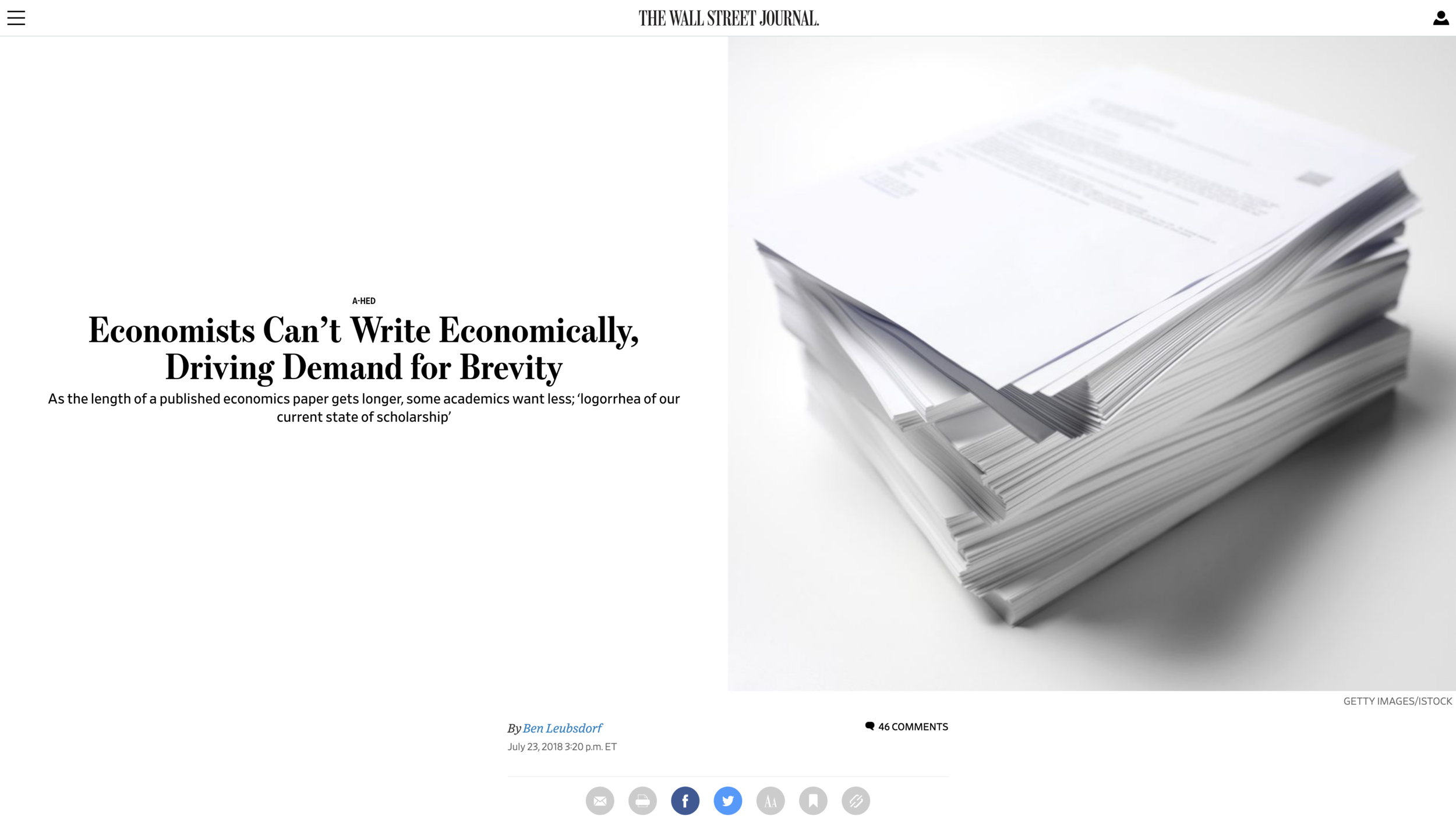
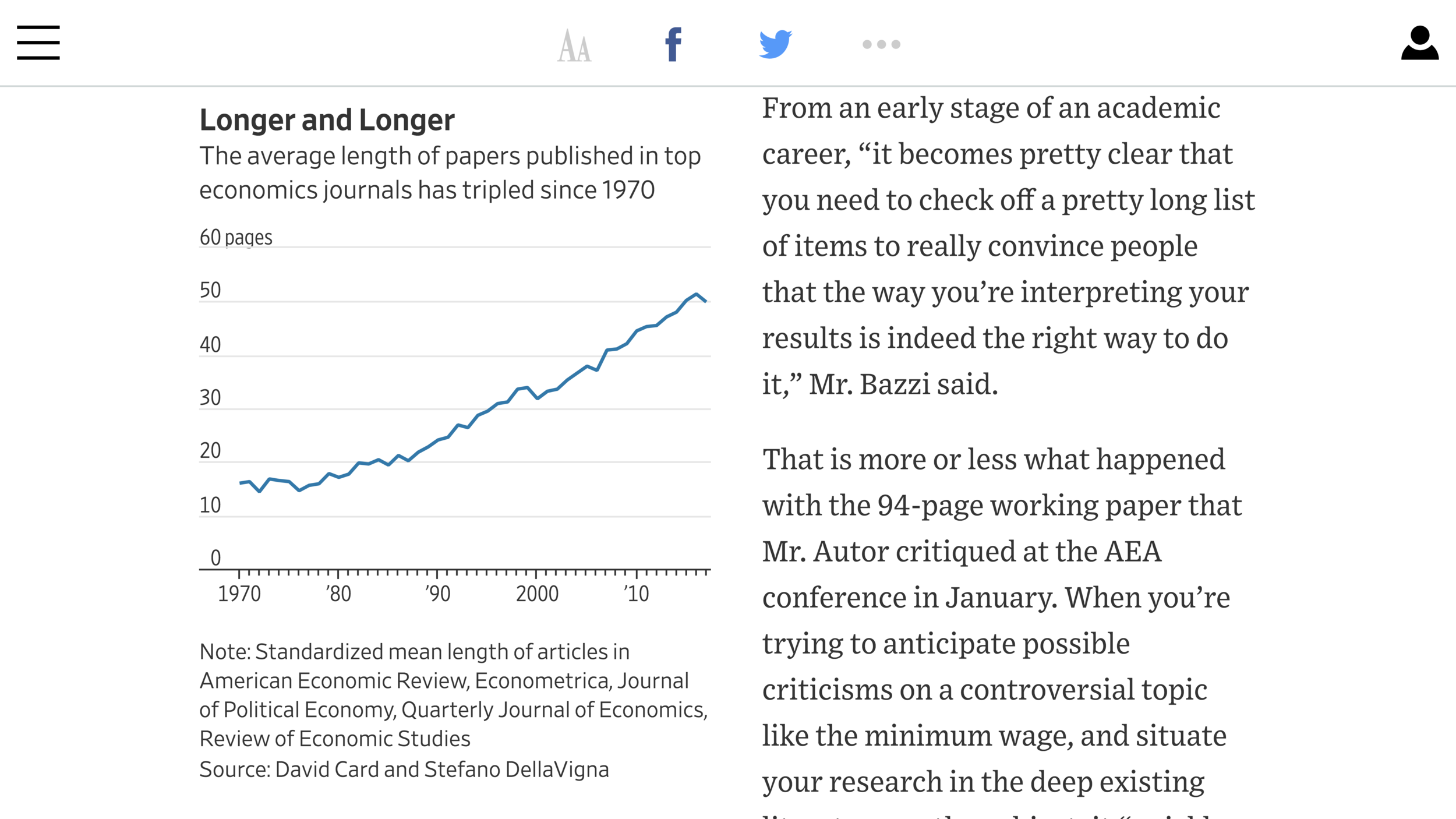
Economics papers have gotten bigger. The world outside the orbit of economists has noticed. The Wall Street Journal devoted 967 words to this topic in Ben Leubsdorf's July 23, 2018 article. He writes:

The average length of a published economics paper has more than tripled over the past four decades, and some academics are sick of wading through them. ...

Between 1970 and 2017, the average length of papers published in five top-ranked economics journals swelled from 16 pages to 50 pages, according to an analysis by University of California, Berkeley economists Stefano DellaVigna and David Card.

The graph on the left just below shows this dramatic increase in length:

Screenshot from the Wall Street Journal article shown at the top

Screenshot from the Wall Street Journal article shown at the top

The question is whether the extra length is fat or muscle. Giving readers everything they need to be convinced that a claimed empirical result correctly represents the real world can take a lot. The existence of some careful—and carefully described—empirical work in economics is an important part of what gives economists the prestige they have with journalists, businesspeople and policymakers. 

But sometimes the length of a paper can deter other economists from actually reading it, so that very few people end up knowing whether the paper is on track or not. If the editor and referees who approved the paper miss something, or let the paper through because of methodological bias despite serious flaws, a falsehood can gain currency.

When I used to have graduate students present papers from the literature in class, I was always dismayed that they believed the abstract! Of papers I have read since I received my PhD, more than half the time, the abstract badly misrepresents what the paper really demonstrates. If smart graduate students who have actually read a paper believe abstracts way too much, it is a slam dunk to guess that economists will believe abstracts too much when they haven't read a paper—unless of course the abstract claims a result that goes against their prejudices.  

If most important papers are so long that almost no one really reads them, the conversation among economists becomes impoverished. A nice example that came up in Ben Leubsdorf's interview of Anil Kashyap is Anne Case and Angus Deaton's paper "Rising morbidity and mortality in midlife among white non-Hispanic Americans in the 21st century":

In 2015, Princeton University economists Anne Case and Angus Deaton published research on rising death rates for middle-aged white men. Their six pages in the Proceedings of the National Academy of Sciences set off a national debate over possible links between mortality and economic distress, and “there was a lot of discussion about whether a paper like that, sent to a standard economics journal, would have had a chance to get published," said University of Chicago economist Anil Kashyap.

The way in which Anne and Angus's paper enriched not only the conversation among economists but the conversation in the country in general is nicely captured by Jeff Guo's April 6, 2017 interview of them, published in the Washington post: "‘How dare you work on whites’: Professors under fire for research on white mortality."

Is there any place for shorter papers in economics? The American Economic Association has officially decided "Yes" in the face of what has been an all-too-pervasive answer "No" in the top journals:  

The AEA announced last year it would launch a journal dedicated to publishing only concise papers, at least by economists’ standards—nothing longer than 6,000 words, or about 15 double-spaced pages. ...

“Certainly not all papers should be short,” said MIT economist Amy Finkelstein, founding editor of what’s being called American Economic Review: Insights. “But on the other hand, not all papers should be long.”

She noted that seminal 1950s papers by Paul Samuelson and John Nash took only a few pages to convey findings on public goods and game theory; both men later won the Nobel Prize in economics. Some journals today seem wary of publishing such quick reads.

“If you want to publish a paper in a top journal, even if you think you have one key insight that can be conveyed succinctly, the referees are not going to take it,” Ms. Finkelstein said.

One part of Ben Leubsdorf's reporting was incomplete. He writes:

Ms. Finkelstein said the new journal is on track to have more than 600 submissions for its first year.

There is no clue here how 600+ submissions compares to other American Economic Association journals. Any American Economic Association journal is likely to get a lot of submissions. (Update: Claudia Sahm tweets: "and on @mileskimball point about the new AER Insights “There is no clue here how 600+ submissions compares to other American Economic Association journals.” blog.supplysideliberal.com/post/2018/7/25… That’s nothing for the AER, 1500+ submitted papers in 2013." Go to the tweet itself for a relevant graph.)

Conclusion: If economists were not deterred from reading papers by their length, the cost of long papers could conceivably be only in reduced leisure for economists. But I'll bet the elasticity of reading a paper with respect to its length is substantial. When I cross-post a blog post to Medium, as I do occasionally, the statistics Medium gives on "reads" as well as "pageviews" indicate that the shorter a post, the more likely someone is to get to the end!

If fewer economists read a paper, that means fewer economists evaluate its claims. I mentioned above the possibility that false claims creep into conventional wisdom as a result. Another place economists opting out of reading papers is corrosive is in the tenure and promotion process. If tenure and promotion committees don't read a candidate's papers, and only do bean-counting, they are outsourcing judgment to journal editors and referees.

Journal editors and referees seem like a dangerously small set of people to be the only evaluators of a paper. Optimistically, one out of every ten or so citations to a paper might represent another serious evaluator of a paper, but many papers never get that many citations. (Many citations are defensive, in case the one cited might become a referee. Other citations are by people who believe abstracts relatively uncritically.) 

I don't mind papers that are wrong getting published. But I do mind papers that are wrong being believed. I want to have enough people actually read papers that the economics profession as a whole learns what to believe and what not to believe, and learns what is important and what is not important. If papers being 50+ pages long keeps economists from reading them, that is a problem. 

One thing that could help a lot is if we had a way to collect data on how many people actually read a paper. Technology may make this easier. What if downloaded papers had a link at the end of the pdf file that could be clicked to say "I read this paper"? (Taking those who clicked the link to a page encouraging them to offer anonymous comments could also be valuable.) There could be authentication that identified the particular reader in order to avoid cheating, but an ironclad promise of confidentiality of who clicked that they had read a paper to avoid people trying to look good by claiming to read things they hadn't. (There would still be an incentive to help friends by clicking that link, but hopefully some fraction of those friends would feel guilty enough about not reading when they said they did to generate some additional readers.) This would provide crucial data. It could be a better indication of the importance of a paper than citations. And it would communicate to economists the importance service they are doing to the profession when they read a paper.


4 Propositions on Weight Loss

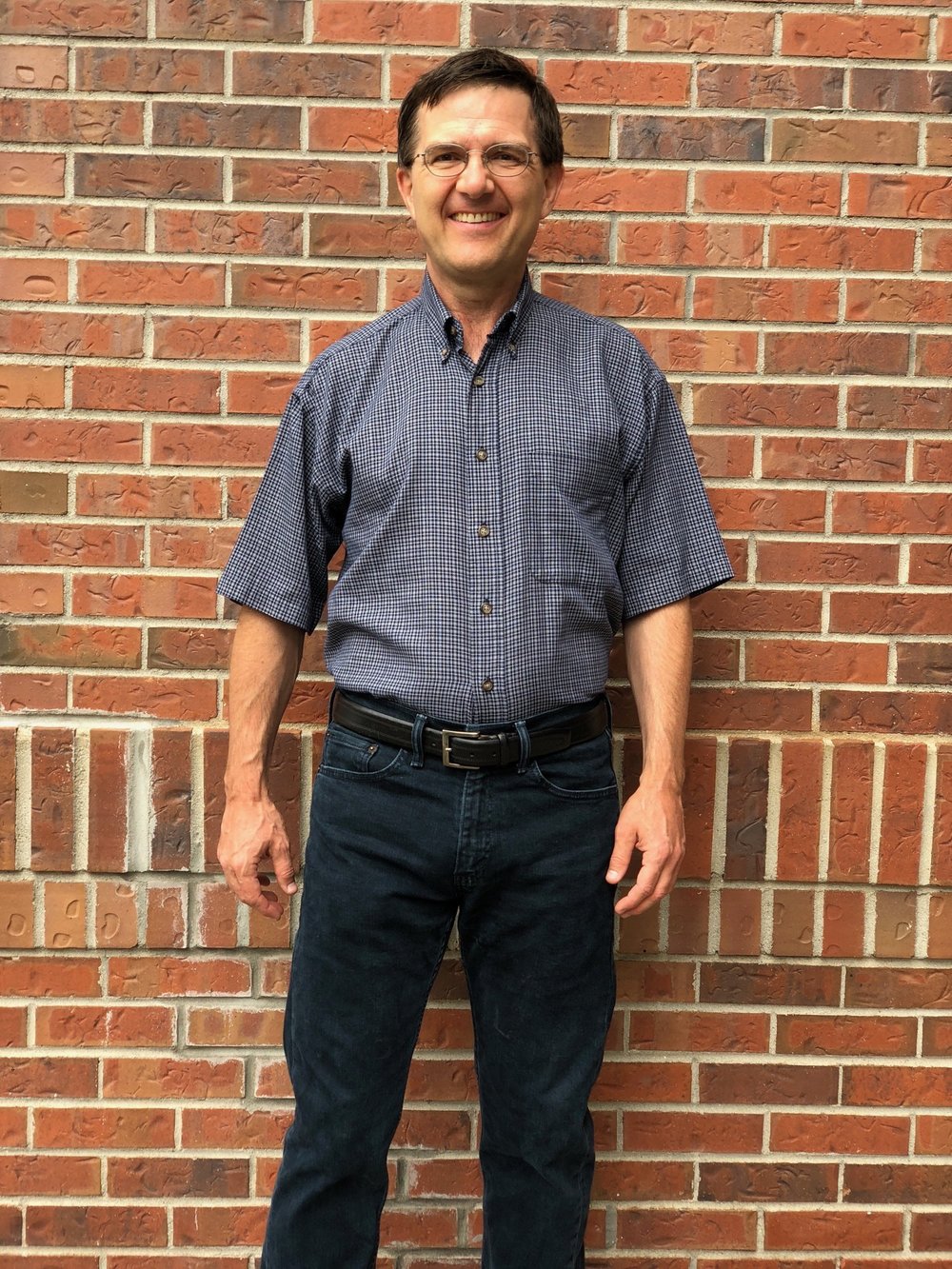
Before: Miles, May 27, 2016. In Montreal. Photo by Gail Cozzens Kimball. You may use this image as long as your use includes a link to this post.

Before: Miles, May 27, 2016. In Montreal. Photo by Gail Cozzens Kimball. You may use this image as long as your use includes a link to this post.

After: Miles Spencer Kimball, June 19, 2018. Photo by Gail Cozzens Kimball. You may use this image as long as your use includes a link to this post or the home page of this blog: supplysideliberal.com

After: Miles Spencer Kimball, June 19, 2018. Photo by Gail Cozzens Kimball. You may use this image as long as your use includes a link to this post or the home page of this blog: supplysideliberal.com

The other day I was catching up with my friend Kim Leavitt, who is a deep thinker. I told him about the blogging I was doing on fighting obesity, with fasting as the key tool. (By "fasting," "eating nothing" or "a period of no eating" I mean a period of drinking water, carbonated water, tea or coffee—without sugar or other sweetener—but nothing else.)  Kim's insightful questions inspired me to distill the logical spine of my views on weight loss down to four propositions: 

  1. Eating nothing leads to weight loss.

  2. For healthy, nonpregnant, nonanorexic adults who find it relatively easy, fasting for up to 48 hours is not dangerous—as long as the dosage of any medication they are taking is adjusted for the fact that they are fasting.

  3. Eating sugar, bread, rice and potatoes makes most people feel hungry a couple of hours later. People who have, by and large, quit eating sugar, bread, rice and potatoes can notice this effect on the rare occasions that they do eat a substantial amount of sugar, bread, rice or potatoes. Moreover, if they pay attention, those who have quit eating sugar, bread, rice and potatoes can notice which other foods cause them to feel hungry a couple of hours later.

  4. Two months or so after quitting eating sugar, bread, rice, potatoes—and all the other foods and beverages that make them feel hungry a couple of hours later—a large fraction of people will then find fasting relatively easy.

Let me comment on each proposition in turn:

Proposition 1: "Eating nothing leads to weight loss" is not controversial. 

Proposition 2: The best evidence that fasting is not dangerous comes from the experience of those in religious traditions that encourage fasting. For example, the Mormonism I grew up in not only instructed everyone who could to fast for 24 hours once a month, it also encouraged people to fast for longer periods of time for special spiritual purposes. Mormon fasts often involved not drinking as well as not eating. Given the body of experience indicating that even fasts that risked dehydration were usually not that dangerous, nonreligious fasting that encourages the drinking of water should not be dangerous for those in good health who are not pregnant or anorexic. The biggest worry I have about people fasting is that it could easily throw off the dosage of medication they are taking. So anyone taking prescription medication should consult their doctor about medication interactions before fasting. And anyone taking nonprescription medication should think hard about lowering the dose when they fast. 

Proposition 3: In talking about sugar, bread, rice, potatoes, and other things that an individual finds from experience make them hungry a couple of hours later, I am consciously being agnostic about the mix of hormones or other internal body mechanisms that make this happen. Following Jason Fung, I have tended to talk as if insulin was central to the mechanism. (See "Obesity Is Always and Everywhere an Insulin Phenomenon" and "Forget Calorie Counting; It's the Insulin Index, Stupid.") Even if I am totally wrong about the biological mechanisms, Proposition 3 can still be verified by experience. Because the data on how hungry an individual feels arrives so quickly, each individual can gather the needed personalized evidence quickly. 

Proposition 4: As for Proposition 3 and the effects of various foods, each individual can readily gather the relevant evidence for themselves on how much easier fasting is after going off sugar, bread, rice, potatoes and other foods and beverages that make them feel hungry a few hours later. People who are still eating sugar, bread, rice and potatoes and other troublesome foods and beverages may well find fasting excruciatingly difficult. But I make the testable prediction that a large fraction of those who go off those foods will find fasting relatively easy. To be more specific, physiologically, if one has gone off that set of foods, the hunger from fasting will not be anywhere near as intense. It will be much easier to distract oneself from the hunger with distractions like a good TV show, work, or a hike. Also, it is likely true that the self-discipline developed by going off troublesome foods will come in handy in sticking to the fast through all the reminders of food that surround us in our society.  

Conclusion: These four propositions are the core of the argument I have been making in my diet and health posts. If anyone wants to attack the approach to weight loss I have been recommending, I urge them to attack some element of the argument I have outlined above. The clear implication of the above argument is that for a large fraction of people, fasting—combined with avoiding sugar, bread, rice and potatoes—is a powerful, not-too-painful, tool for weight loss. 

Addendum: In a comment below, Ani poses and important challenge:

When you say that eating nothing leads to weight loss, you are making the assumption that (i) your metabolism is not affected by the fact that you are fasting and (ii) that once you start eating after fasting, you do not overeat. These might be valid, but have to be stated at least as assumptions, if not as proven facts.

On point (ii), I am assuming a long-enough fast and a short-enough eating window that it is simply not appetizing to eat enough extra during that short period of time to make up for the weight-loss effects of not eating during the previous period of fasting. The avoidance of sugar, bread, rice, potatoes and other troublesome foods and beverages is likely to reduce the required ratio between the duration of fasting and the length of the eating window. 

On point (i), my claim that for many people fasting won't be painful includes the claim that for those people, their metabolism won't get so low that they face a serious problem of feeling sluggish or listless. As for the effects of a slower metabolism on weight loss, physics, chemistry and biology put a limit on how efficient one's metabolism can get. One's metabolism might become quite a bit more efficient, so that you don't need to eat much to feel good and keep your weight even. That amount of food might be small enough that you are spending a lot more time fasting than time eating, but enough fasting will keep your weight steady. 

In my posts on cancer,

I make the point that an efficient metabolism, while not favorable to being able to eat a lot total, could give one's normal cells a decisive edge over cancer cells that have inefficient metabolisms and therefore a tough time in the absence of abundant food. 

Ani also mentions animals. One of the key things about a fasting schedule, combined with avoiding troublesome foods, is that it is much, much easier to execute consciously than attempts at calorie restriction while keeping to a traditional eating schedule. Consciously-chosen fasting plays to our strengths as humans. It is in a different category than, say, fasting during hibernation for animals. 


Don’t miss my other posts on diet and health:

I. The Basics

II. Sugar as a Slow Poison

III. Anti-Cancer Eating

IV. Eating Tips

V. Calories In/Calories Out

VI. Other Health Issues

VII. Wonkish

VIII. Debates about Particular Foods and about Exercise

IX. Gary Taubes

X. Twitter Discussions

XI. On My Interest in Diet and Health

See the last section of "Five Books That Have Changed My Life" and the podcast "Miles Kimball Explains to Tracy Alloway and Joe Weisenthal Why Losing Weight Is Like Defeating Inflation." If you want to know how I got interested in diet and health and fighting obesity and a little more about my own experience with weight gain and weight loss, see “Diana Kimball: Listening Creates Possibilities and my post "A Barycentric Autobiography. I defend the ability of economists like me to make a contribution to understanding diet and health in “On the Epistemology of Diet and Health: Miles Refuses to `Stay in His Lane’.”

New Mormon Prophet Russell Nelson Shakes Things Up

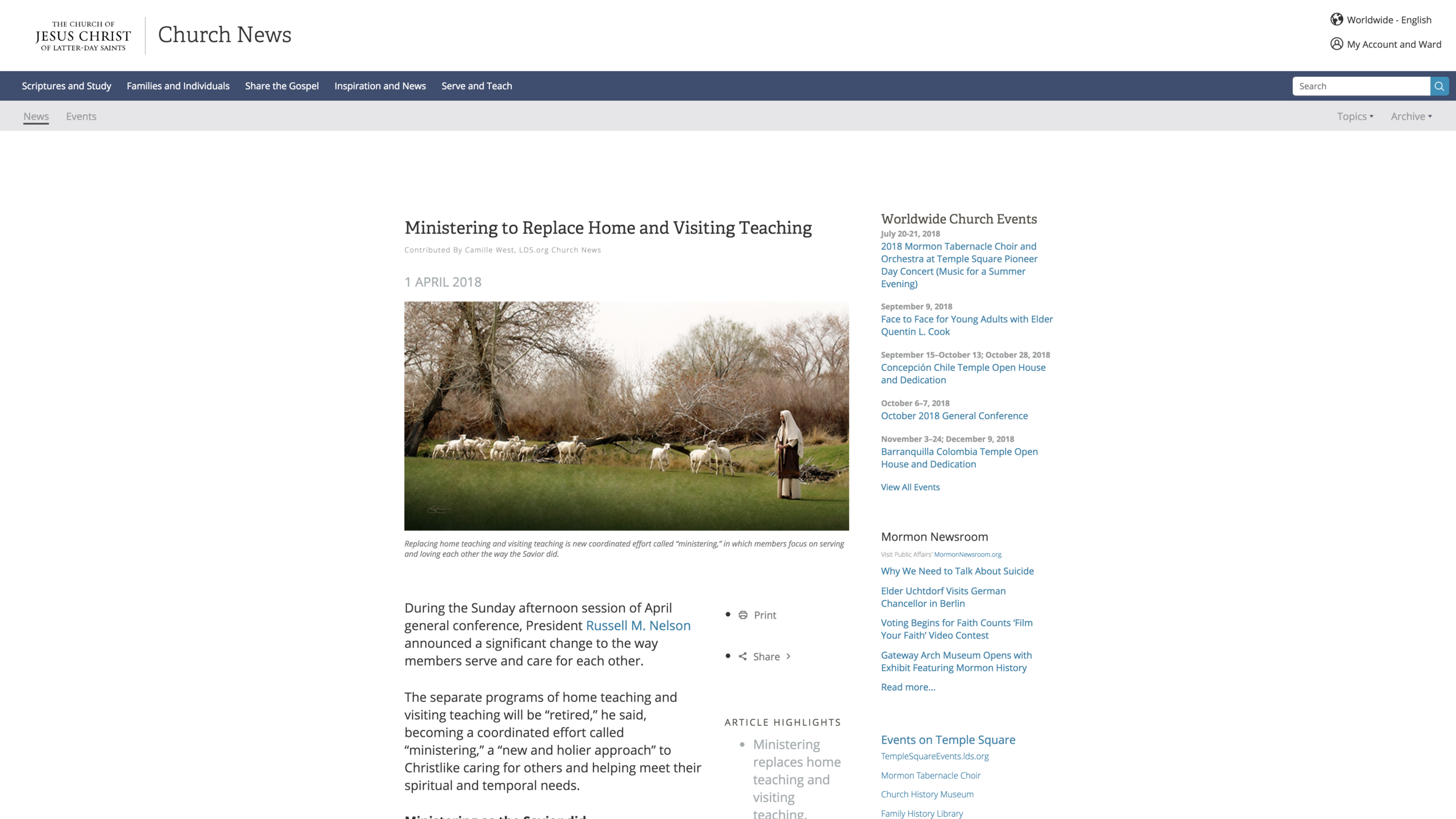
                                                    Link to the article above

                                                    Link to the article above

Within hours of when he was formally accepted as head of the Mormon Church ("sustained" in Mormon jargon), new Mormon Prophet Russell Nelson began announcing major changes to Mormon practice. Some touched on hot-button issues in the broader society, such as measures to reduce the dangers of sexual abuse by local church leaders, and the choice of an Asian-American and a Latin-American apostle. (An apostle is one of the top 15 Mormon leaders, in line to become a Prophet himself, if he lives long enough. They are all male.) But there are two other big changes whose importance for the lives of Mormons takes some explaining. They and the measures to reduce the dangers of sexual abuse by local church leaders might have been in the works in any case, but a Prophet's views can often be decisive in what gets put in place. 

One of the big changes that is more important than it sounds is to the organization of Mormons' 3-hour block of Sunday meetings. (They are not all in the morning because multiple Mormon congregations usually share a meetinghouse and someone has to take the afternoon shift.) "Sacrament Meeting," named after the Mormon terminology "the sacrament" for communion has everyone together, including very young children. Sunday School separates adults from children, other than the adults tending to the children. The third chunk of time then additional separates adult men from adult women. It used to be that during that time, men who had held moderately high local church office ("high priests," often somewhat older) would be separated out from the men who hadn't ("elders"). Now all the adult men will be together, deemphasizing that status difference and also likely having leadership of that group of all the adult men devolve on more experienced men. This is a big sociological change because older and younger men will now be interacting significantly more. Also, the deemphasis of the status difference between men who have held moderately high local church office and those who haven't extends to the whole of Mormon men's religious experience, not just what happens for one hour on Sunday. 

The other change that is more important than it sounds is to the Mormon Church's program of monthly visits to every member, which was called "home teaching" when by men to the whole family and "visiting teaching" when by women to other women. Now the goal of monthly visits has been relaxed, but the expectation of being on top of how families and individuals are doing has been raised. In addition to relaxation of the goal of monthly visits, the program of "ministering" that replaces home-teaching and visiting-teaching does not involve set-piece messages sent out from Mormon Church central. So the new program encourages people to "get real" rather than just go through the motions. It remains to be seen what "ministering" turns out to be in practice, but it could be an excellent step towards encouraging people to care for one another in a more authentic way. 

There is a key change attendant on the program of "ministering" represents an important step towards gender equality in a church where "patriarch" and "patriarchal" are very positive words, and women cannot hold the priesthood. Home teaching, visiting teaching and now ministering are normally conducted by pairs. Under the older programs, teenage boys were involved in home-teaching, but teenage girls were not involved in visiting teaching. But both teenage boys and teenage girls will be involved in ministering. This is in line with another step toward gender equality a few years ago when the minimum age at which a Mormon woman could be a Mormon missionary was reduced to 19 from 21, encouraging more women to get the leadership experience of serving a mission. 

I have links below to posts that explain more about the home teaching and visiting teaching and about two things I don't think will change any time soon within Mormonism: antipathy toward gay marriage and exclusion of women from the priesthood. I also have a link to a rundown of the administration of the Mormon Prophet who preceded Russell Nelson: Thomas S. Monson

I have to admit I am surprised by the scale of the changes Russell Nelson has ushered in for the Mormon Church. There was little indication in what he had done as an apostle before become Prophet that he would be that innovative. However, the structure of Mormon leadership at the top emphasized following more senior leaders enough that a leader's true views are often only revealed when he rises to the very top. 


Don't miss these posts on Mormonism:

Also see the links in "Hal Boyd: The Ignorance of Mocking Mormonism."