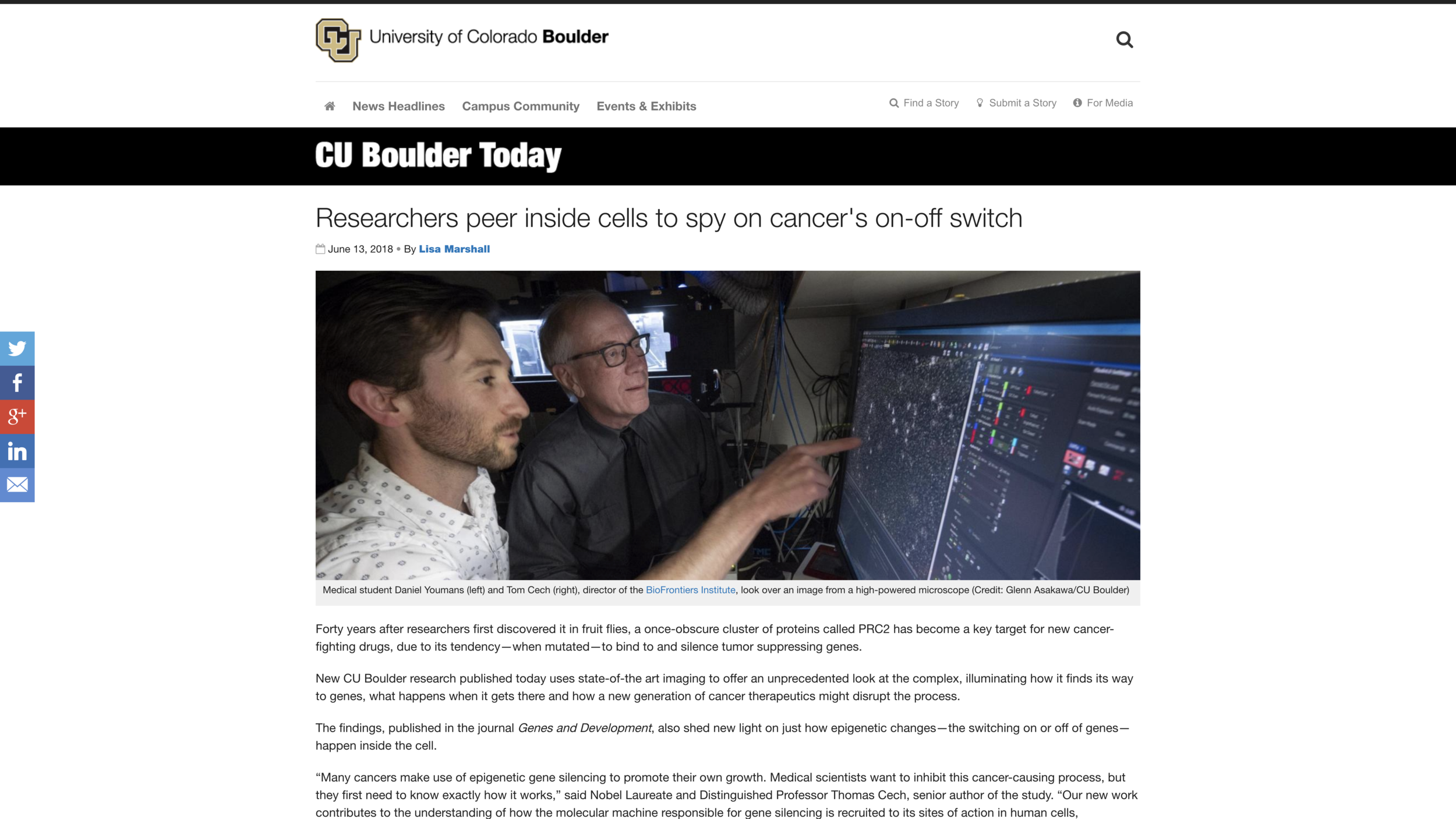
Fight the Backlash Against Retirement Saving Nudges: Everyone Benefits When People Save More for Old Age

"Fight the Backlash Against Retirement Planning Nudge" is my first piece as a Bloomberg columnist. Thanks to Noah Smith for recommending me to my new Bloomberg editor, Jonathan Landman.

Thanks also to many on Twitter who pointed me to the ferment on this topic. I hope to do a Wakelet story of those tweets once I have a little more functionality on Wakelet. (Wakelet has been great at transferring over all of my organized-tweet stories from Storify—see "My Organized-Tweet Stories, In Order of Popularity, in Their Flight from a Dying Storify to the Haven of Wakelet." It still isn't easy to make new stories with Wakelet, but I am optimistic it will be.)

Gabriela D'Souza on Failure in Learning Math

The guest post below originally appeared on Medium. Gabriela D'Souza's personal Twitter feed is @gabster0191. Her Medium bio says "Econo nerd. Kitten-obsessed but it's validated by my other occupation - one of the editors-in-chief @econlolcats. Also…

The guest post below originally appeared on Medium. Gabriela D'Souza's personal Twitter feed is @gabster0191. Her Medium bio says "Econo nerd. Kitten-obsessed but it's validated by my other occupation - one of the editors-in-chief @econlolcats. Also tweets from @act_yen."

Miles: In my experience as a writer, I have only had a piece go viral once: the Quartz column "There's One Key Difference Between Kids Who Excel at Math and Those Who Don't" Noah Smith and I wrote, which was also syndicated to the Atlantic under the title "The Myth of 'I'm Bad at Math,'" and translated into Spanish here.  Noah and I have been heartened to see those ideas do some good in people's lives. I am grateful to Gabriela D'Souza for permission to share her experience here. Here are her words, which I follow with links to other resources about math learning. 


Gabriela: I’m writing this mostly because when I needed to read something similar a few years ago, it wasn’t there.

In economics, it feels really hard to admit failure to your peers…sometimes harder than actually facing it. And even the ones who have posted their failures, well let’s be real, they appear to have landed on their feet okay. So you weren’t accepted into one elite university, you got into another — doesn’t really seem like failure to me. But that’s part of the problem too; one person’s definition of failure is quite different from another’s. That aside, sometimes failures are pretty black and white, as it was in my case.

Five years ago I began a rather foolhardy mission. I started a Master of Economics degree at Australian National University, without much prior maths knowledge, while working full time. I went to a high school that allowed me to drop maths in Years 11 and 12 and you better believe I dropped it. I was lucky enough that the university I picked for my undergrad turned a blind eye to my lack of maths credentials, and admitted me in to their Economics program. I struggled through calculus in second year micro, and first year business stats, but I got there in the end, graduating with a Bachelor’s degree in Economics.

I was warned that the maths in the Master of Economics program at Australian National University was hard, but I thought I’d be able to crack it. I was very wrong and in so over my head. To make matters worse, I had visa issues (an added stress that I wouldn’t wish upon my worst enemy). In the end it was all too much and I failed the maths and the microeconomics component for my master’s degree.

Going back to how it felt — it sucked. I have no words. I was consumed every day by the thought that I was a fraud; that people were going to think less of me; that I alone had *failed*. I was put on warning for academic probation. It was a low low point. I honestly thought I would never get over the panic I felt every time I walked past the Australian National University College of Business and Economics building. Typing that line out now makes me smile.

The reason this is easier to write about now is time and achievement. At the end of the year I will have completed my Master of Economics degree at Monash University.

I finally got around to trying again a couple of years after that ill-fated attempt at ANU, realising that I was seriously limiting my career options if I didn’t do it. I didn’t mess around this time. I used Khan Academy religiously, brushing up on calculus, topological spaces, lagrange multipliers (special shoutout to Patrick JMT on Youtube). I worked out problem after problem from Schaum’s Intro to Math econ. I got a tutor for my first semester.
 Reading this article by Noah Smith and Miles Kimball (one of my favourite go-to articles when someone says to me, “I’m just bad at maths”) helped me realise that while I might not be naturally gifted when it comes to maths, or most things for that matter, I can sure as hell work really hard to figure out what I don’t know and improve on it. And while there was a certain fear of finding out what I didn’t know, it at least gave me something to work on.

We haven’t yet normalised it so it’s acceptable to fail. Failure is feared, avoided, and we shy away from it. But as many have noted, it makes us know what we’re better at and if we’re lucky it teaches us how to become better.

And here’s the other thing I have to keep reminding myself about failure — it helps me realise that I’m trying and sometimes that’s both enough, and all I can do.


Miles: I wrote a follow-up column "How to Turn Every Child into a "Math Person" that gives links to some of the reactions to "There's One Key Difference Between Kids Who Excel at Math and Those Who Don't" and many resources for math learning. Here are some links to posts on math learning that didn't make it into that column:

Also, here are some Twitter discussions on math learning:


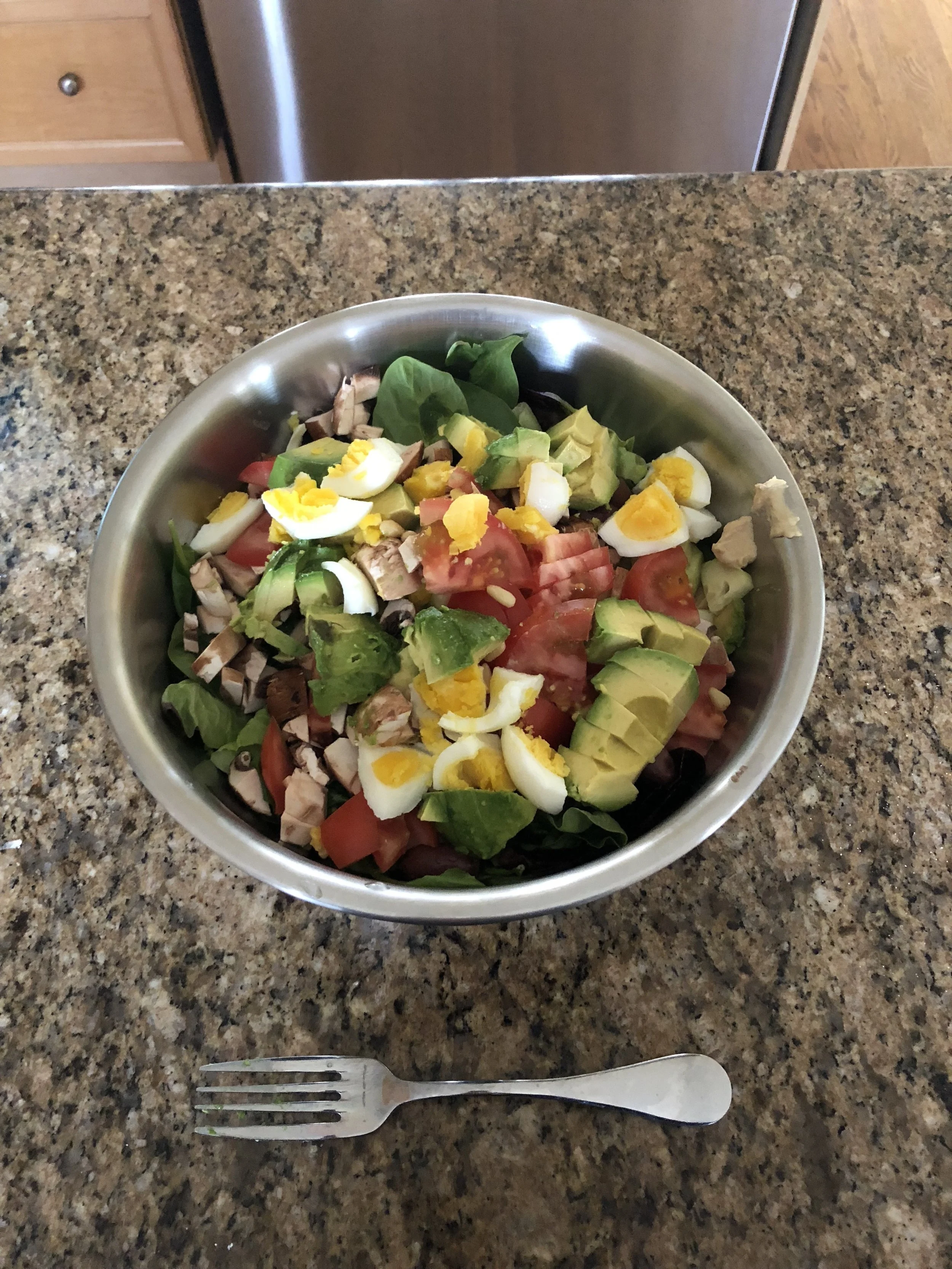
My Giant Salad

Photo by Miles Spencer Kimball. I hereby give permission to use this image and the others in this post for anything whatsoever, as long as that use includes a link to this post.

Photo by Miles Spencer Kimball. I hereby give permission to use this image and the others in this post for anything whatsoever, as long as that use includes a link to this post.

Some of my readers have encouraged me to write about my own experience with trying to eat right and with weight loss. I tell my overall story on that front in "A Barycentric Autobiography," (which also has before and after photos). But I also want to detail my day-to-day, week-to-week practice of trying to eat right. Last week, in "Our Delusions about 'Healthy' Snacks—Nuts to That!" I wrote about snacks. Today is about my main dish on a typical day: a giant salad.

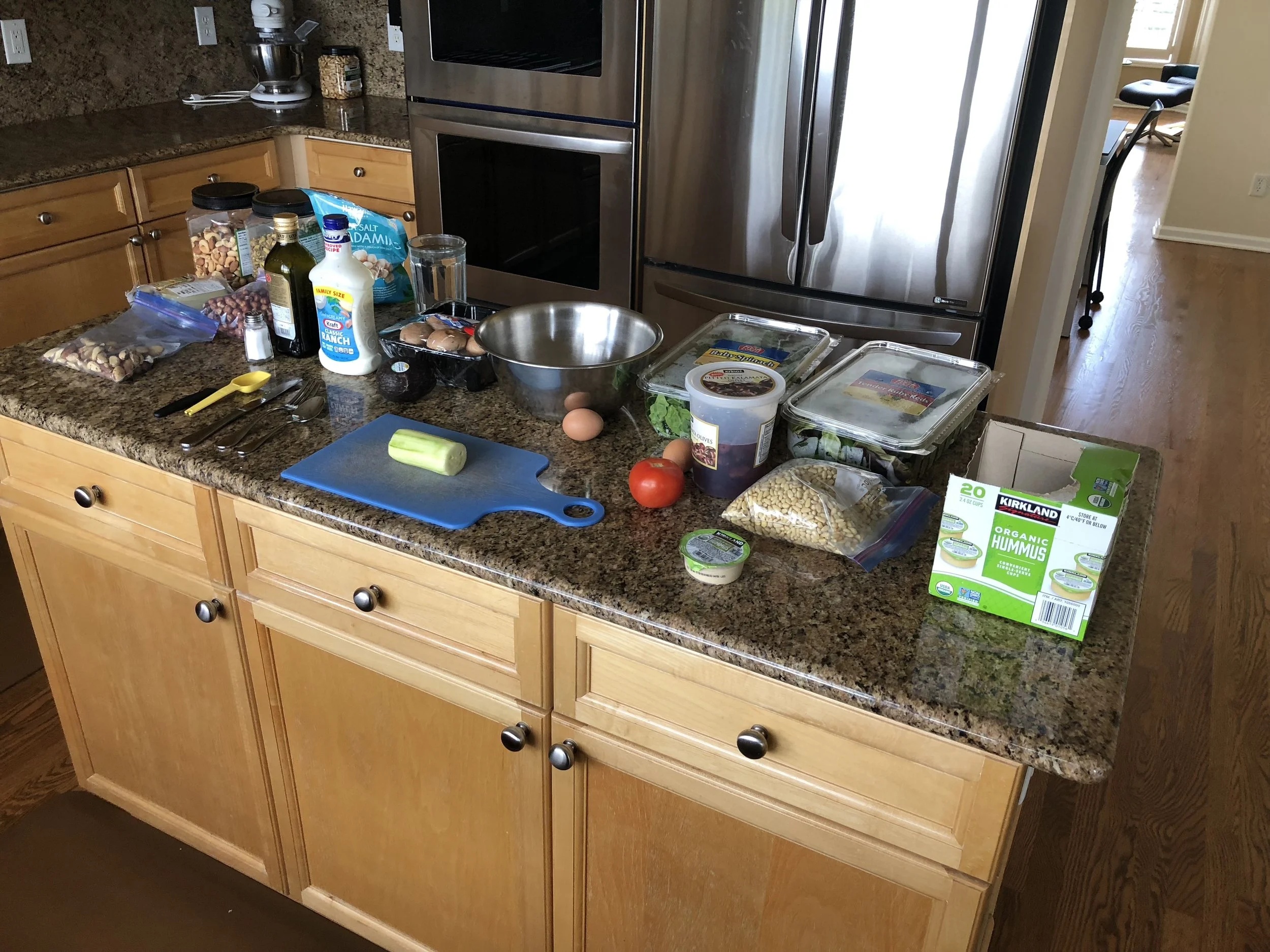
Based on my attempts to order something like it in restaurants when I am traveling, I know my giant salad can be described as a kind of Cobb salad. Gail and I were very lucky in the house we managed to nab when we moved to Colorado; among other things it has a wonderful kitchen with an island. You can see laid out both the ingredients for my giant salad and the snacks that I eat while making the salad:

IMG_5884.JPG

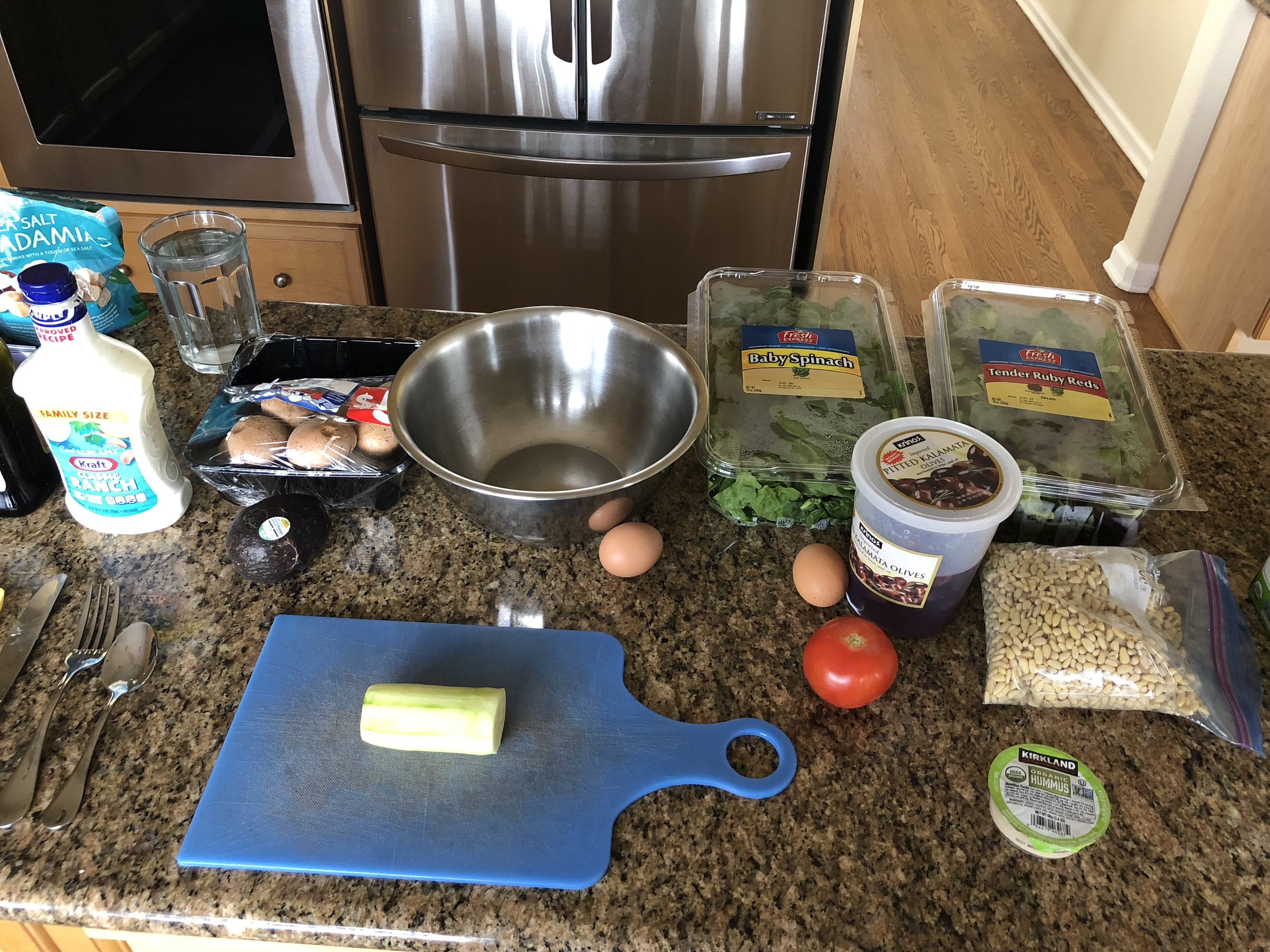
Focusing in on just the ingredients:

IMG_5126.JPG

Here is the breakdown of salad ingredients by retail source:

Costco:

  • One serving of Kirkland organic Hummus (from a box of single-serving containers)

  • a few pine nuts

  • 7 pitted Kalamata olives

  • 2 NestFresh cagefree eggs (box of 5 dozen)

  • 3 tablespoons extra-virgin olive oil (bottle barely visible on the left)

Safeway:

  • 1 avocado (Don't stint on this. Avocadoes are great.)

  • 1 tomato

  • 1/2 cucumber

  • 4 mushrooms

  • 1 stripe of full-fat ranch dressing (Don't overdo this; to me it ruins the taste to have too much

  • salt on the avocado and egg slices

  • prewashed lettuce or spinach; on this day I did some of each. "Tender Ruby Reds" last much longer than other types of prewashed lettuce before getting slimy. Spinach also lasts longer. So I eat the other types of lettuce first if I bought any other kinds.

I sometimes add a sliced radish or two for variety. Sometimes we bake broccoli or cauliflower with a little olive oil on it. Until that is gone, I always add some of that to my salad.  

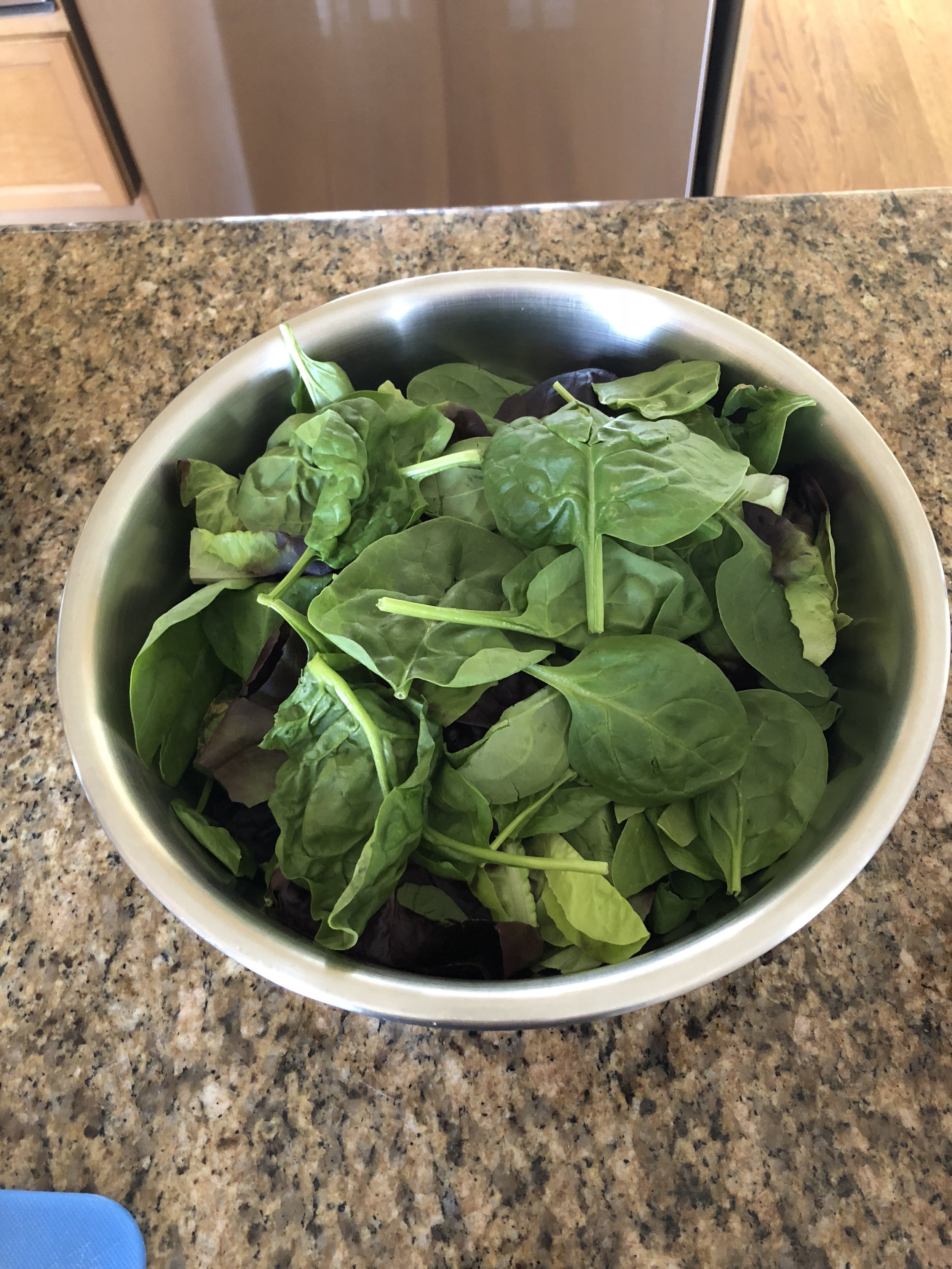
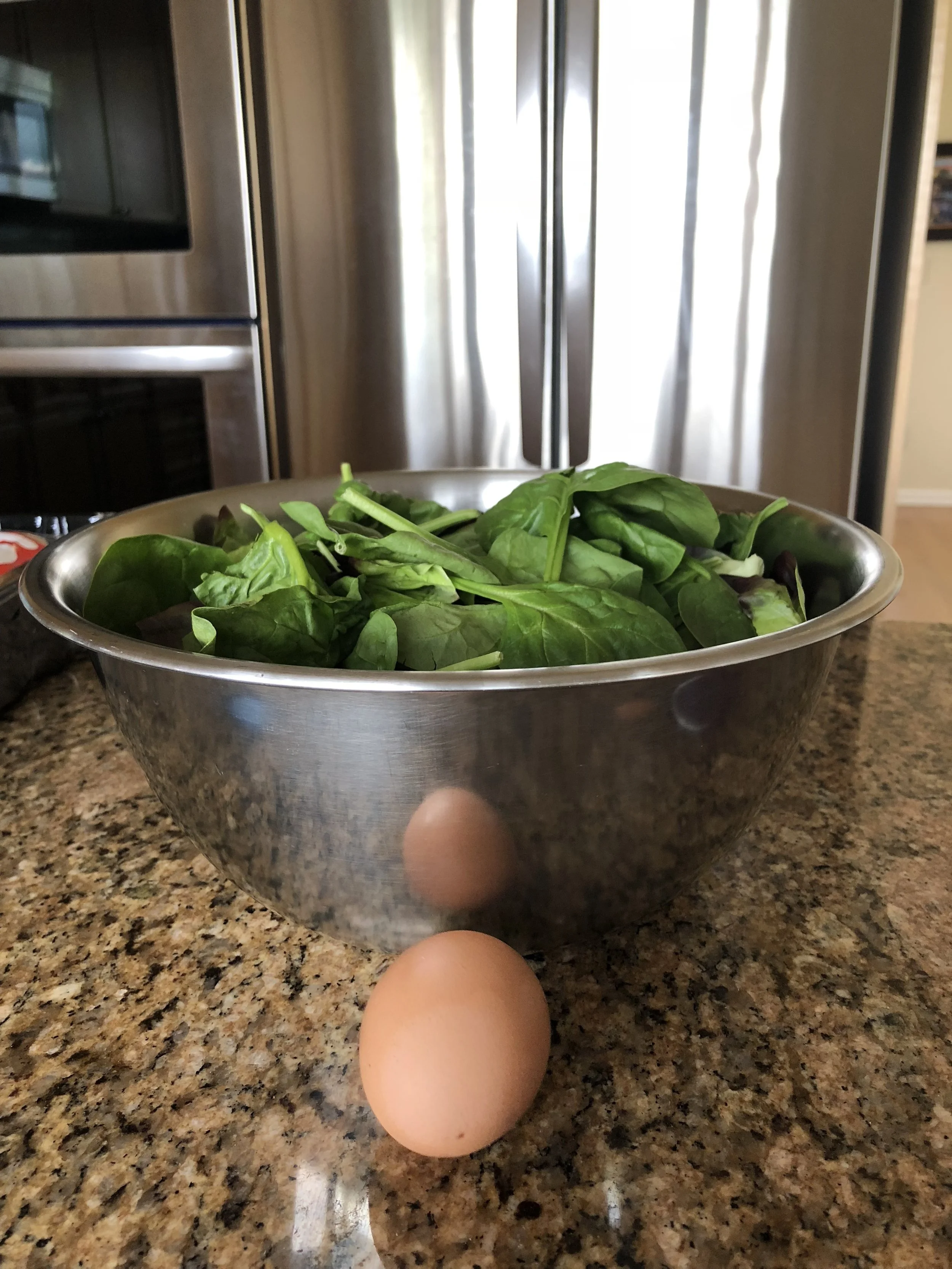
A key to this dish is to have lots of lettuce or spinach:

IMG_1881.JPG
IMG_3729.JPG

Note that I am using a large mixing bowl or serving bowl. When guests come, a salad that feeds me alone on a typical day can be a great side dish for a whole crowd. This amount is well over half the amount in a large plastic container of prewashed lettuce or spinach. 

The photo at the top of the post shows what my giant salad looks like right before tossing. (Some of the ingredients are hidden under the ingredients on top. It doesn't look quite as good after tossing, but tastes better from the tossing.) 

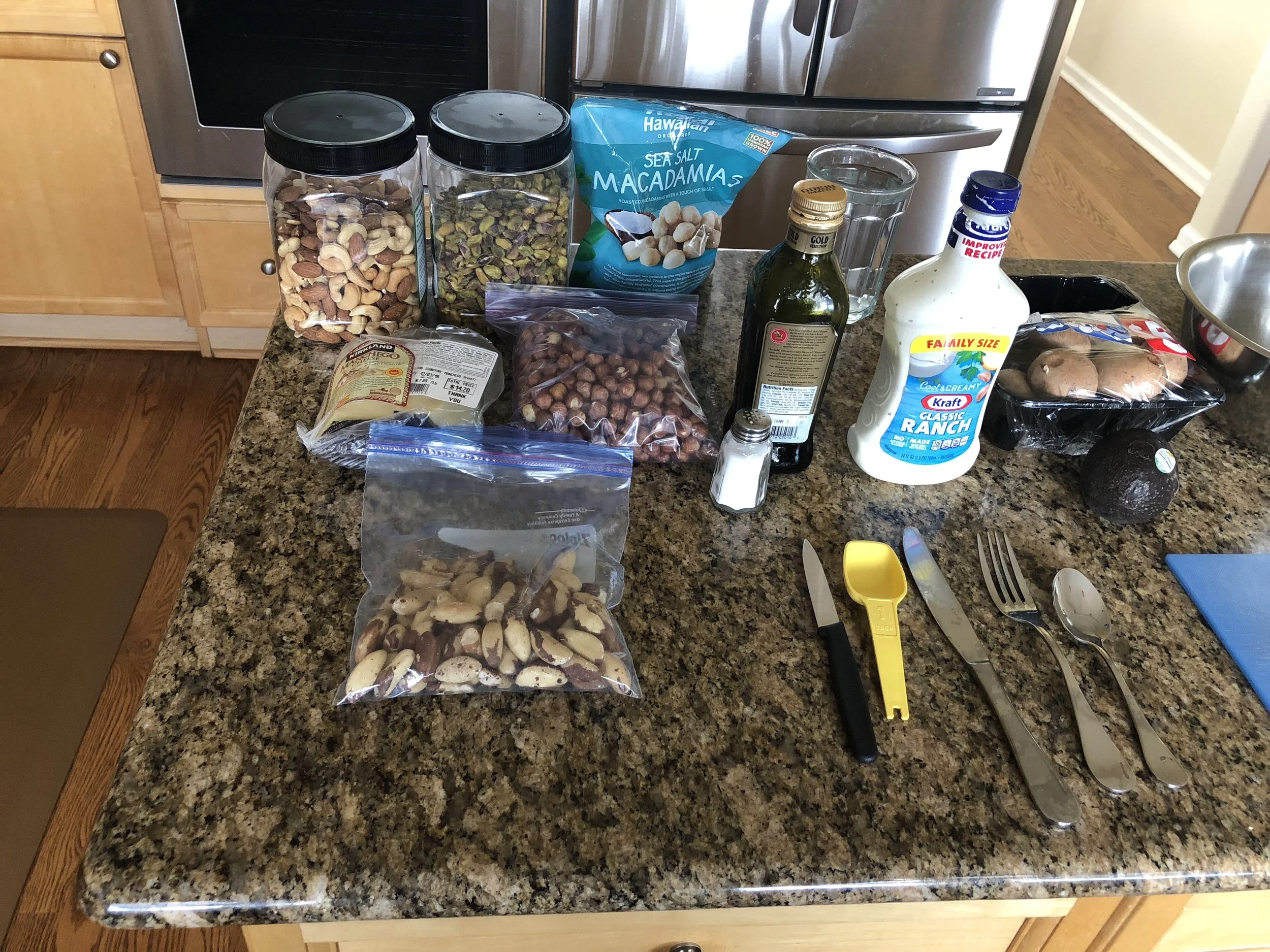
While making the salad, I snack on Manchego cheese and nuts:
 

IMG_6771.JPG

Here are the retail sources:

Costco: 

  • manchego cheese

  • cashews

  • almonds

  • macadamias

Whole Foods:

  • brazil nuts

  • hazelnuts (only available to buy seasonally, concentrated around December, but they will last a year if you buy a lot)

Two other staples are some fruit powder (see "Forget Calorie Counting; It's the Insulin Index, Stupid") and probiotic powder (see "Hints for Healthy Eating from the Nurse's Health Study") in almond milk, and a few squares of 88% chocolate (see "Intense Dark Chocolate: A Review"). 

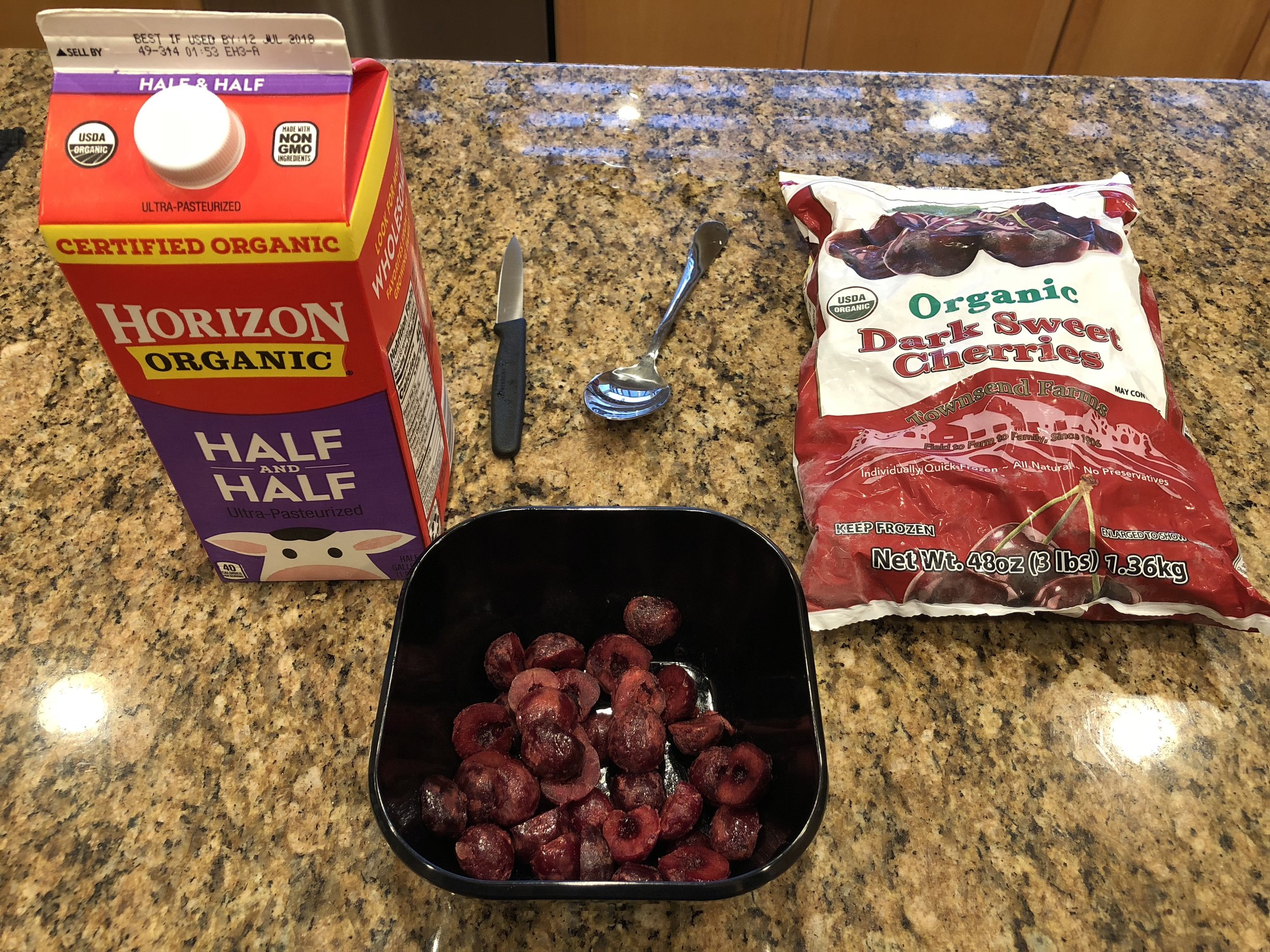
Finally, for dessert, pitted frozen cherries with half and half. I cut the cherries in half to get the perfect bite, and don't stint on the half and half: 

IMG_2278.JPG

If my schedule allows, I eat all this at brunch time in an eating window of a couple of hours. Then I'm not hungry the rest of the day and don't eat the rest of the day. That schedule is in line with what I discuss in "Stop Counting Calories; It's the Clock that Counts" and "Obesity Is Always and Everywhere an Insulin Phenomenon." All of this is only for a typical day. Eating out at restaurants and occasional additions at home (that displace some of the snacks above) give me variety. 

Don’t miss my other posts on diet and health:

I. The Basics

II. Sugar as a Slow Poison

III. Anti-Cancer Eating

IV. Eating Tips

V. Calories In/Calories Out

VI. Other Health Issues

VII. Wonkish

VIII. Debates about Particular Foods and about Exercise

IX. Gary Taubes

X. Twitter Discussions

XI. On My Interest in Diet and Health

See the last section of "Five Books That Have Changed My Life" and the podcast "Miles Kimball Explains to Tracy Alloway and Joe Weisenthal Why Losing Weight Is Like Defeating Inflation." If you want to know how I got interested in diet and health and fighting obesity and a little more about my own experience with weight gain and weight loss, see “Diana Kimball: Listening Creates Possibilities and my post "A Barycentric Autobiography. I defend the ability of economists like me to make a contribution to understanding diet and health in “On the Epistemology of Diet and Health: Miles Refuses to `Stay in His Lane’.”

Walker Wright on the Mormon Church's Relatively Enlightened Stance on Immigration

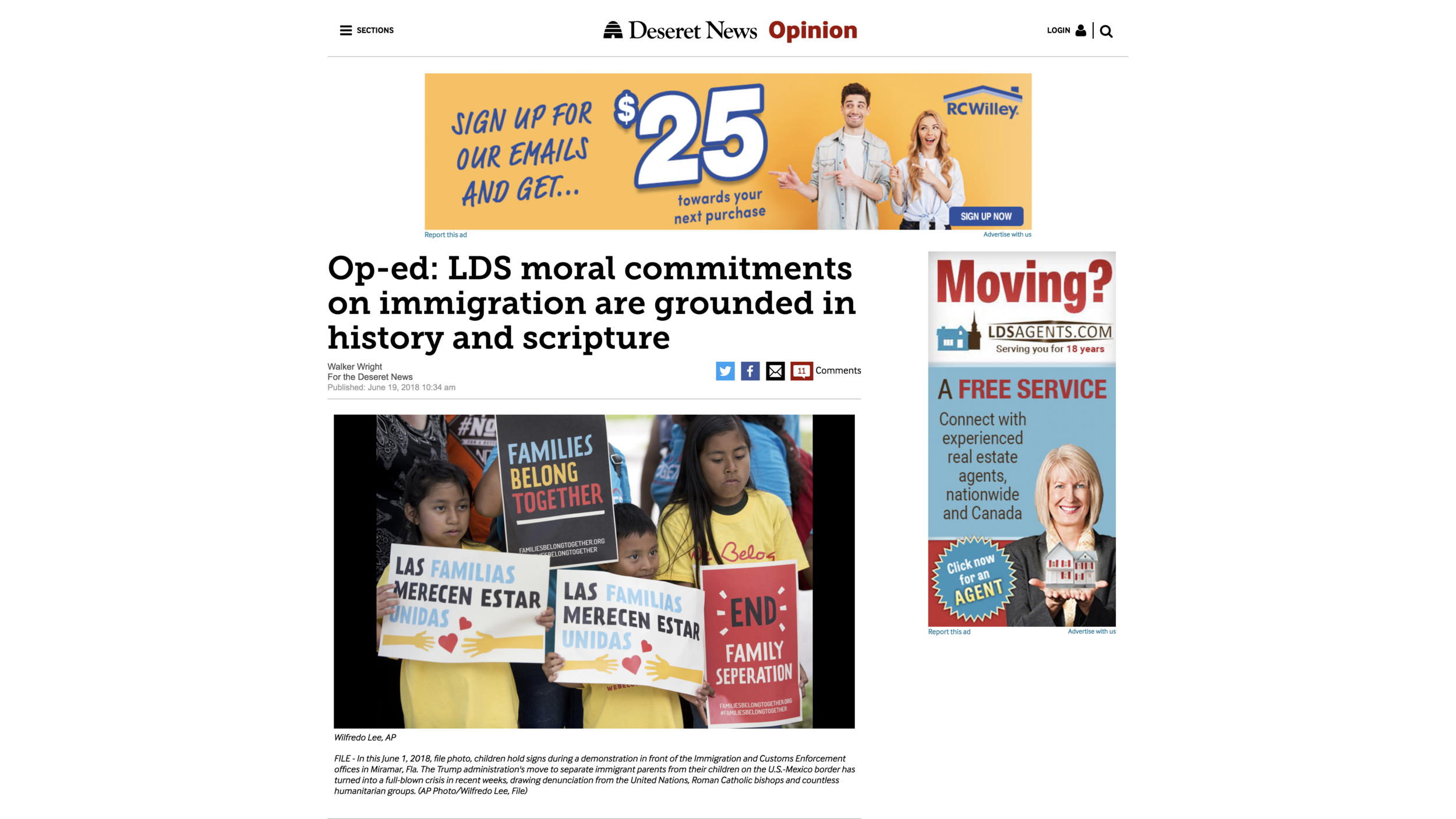
                                                         Link to the article above

                                                         Link to the article above

In addition to talking about the roots of the Mormon Church's stance on immigration, Walker Wright also has this to say about the economic and cultural costs and benefits of immigration: 

A 2011 meta-analysis by economist Michael Clemens found that dropping all current immigration restrictions would result in a doubling of world GDP. A more recent analysiscorroborated these findings, concluding that lifting all migration restrictions would increase world output by 126 percent. Similarly, a 2013 study found that dropping all immigration barriers would result in an additional income of $10,798 per worker (migrant and non-migrant alike); doubling the income of the world’s most deprived.

Despite these economic benefits, many rich country natives worry that an overabundance of immigrants will make things worse. Some accuse immigrants of stealing native jobs, depressing native wages, undermining native culture and institutions, bloating the welfare state, and/or being criminals and terrorists. The vast majority of empirical studies, however, contradicts these arguments. Several large literature reviews — including two from the National Academy of Sciences and one from Oxford University — find that the long-term effects of immigration on jobs, wages and the fiscal budget tend to be neutral to slightly positive. Immigrants also assimilate rather well into their host countries and even appear to boost the economic freedom of their institutions.


On my own views on immigration, see these two posts:

Don't miss these posts on Mormonism:


Alexander Napolitan on GMOs

In "On Teaching and Learning Macroeconomics" I lay out my teaching philosophy for Intermediate Macroeconomics. One aspect of that philosophy is that I want my students to learn to write. So I ask them to write a blog post every week. One of the best posts this past semester was this one, by Alexander Napolitan. You can see links for all the student posts from my classes that have been guest posts on my blog here. I am pleased to have Alexander's permission to share his post here:


Genetically modified organisms (GMOs), especially those created with Crispr-Cas9 need to be carefully studied and analyzed for any potential harmful side effects before being introduced into the market. However, this does not mean that GMOs aren’t a helpful technology to feed a growing world population.

GMOs have become a prevalent technology today sparking many debates and controversies with companies like Monsanto about their potential side effects and impacts on peoples’ health and the environment. There is no great consensus on the safety of GMOs (Tsatsakis, A. M., Nawaz, M. A., Tutelyan, V. A., Golokhvast, K. S., Kalantzi, O.-I., Chung, D. H., ... Chung, G., 2017. "Impact on environment, ecosystem, diversity and health from culturing and using GMOs as feed and food," Food and Chemical Toxicology, 107, 108– 121). Concerns about cross-pollination with wild type breeds that could create a wider variety of pesticide resistant plants affecting the biodiversity of many ecosystems are valid. Conversely GMOs also can create plants that reduce the amount of time to harvest and increase the yield. Therefore, there is a clear imperative to divert resources and energy into researching ways to contain their impacts on the public health and environment while also improving the efficiency of yielding crops.

Crispr-Cas9 may be one of the largest discoveries in this century with foreseeable dramatic effects on genetic engineering and biotechnology. With this technology, scientists can cleave DNA at precise locations to make specific alterations to the organism that can improve their efficiency. This differs from previous gene editing technology that had to add different genes to the plant (Bunge & Marcus, 2018, "Is This Tomato Engineered? Inside the Coming Battle Over Gene-Edited Food," Wall Street Journal). Crispr-Cas9 simply edits the existing information. Regardless, many labs will work tirelessly to create a product that could enter shelves at super markets within the next year. The impact on food markets could be significant.

A few crop markets have become dominated by GMOs such as corn, soybean, and cotton (Bunge, 2017). Many groups publicly denounce the use of GMOs to feed the world population by working to better delineate to the consumer what products are GMOs or not. Companies producing GMOs will work to market these new GMOs in a different light that focuses on potential benefits they could possess such as making healthier vegetable oils (Bunge, J., 2017, October 10. "Seed Giants See Fresh Start in Gene Editing." Wall Street Journal.). As this technology progresses, it will be crucial to have a well-informed public on the products they buy and consume. Through this, the true sentiment of the public on GMOs can be measured, and this will dictate future policy decisions.

GMOs will always play a role in food markets, and that technology will just improve. Therefore, I say it is an important question to consider the future of a growing world population. Cities will become denser and more compacted. Climate change could lead to changes in locations many people could inhabit as water levels may run out in certain places. Being able to feed everyone will remain a large and ever present problem. We need to focus on reducing any harmful impacts GMOs may have and use it to create more food for everyone.


Update, June 23, 2018: Two days after this post appeared, I saw the Wall Street Journal opinion piece by Mark Lynas: "Genetically modified crops have been vilified and banned, but the science is clear: They’re perfectly safe. And what’s more, the world desperately needs them.

Update, January 17, 2019: In my post “What Steven Gundry's Book 'The Plant Paradox' Adds to the Principles of a Low-Insulin-Index Diet” I write:

In my life as a whole, I have been a defender of GMOs. I have no objection in principle to genetically modifying the plants for our food. But it matters what genetic modification is being made! Many GMOs are genetically modified to add in genes for natural insecticides! Others are genetically modified so that pesticides can be added externally without killing the plant. So, the point of the most most important genetical modifications so far has been to increase the natural insecticides and make it easier to add pesticides externally to our food chain.

Our Delusions about 'Healthy' Snacks—Nuts to That!

There are two potential problems with snacks. First, eating snacks often lengthens the eating window each day, leaving less total time fasting within a 24-hour period. Second, typical snack food is not very healthy. This emphatically includes most snacks that advertise how healthy they are. Bee Wilson, in the June 9, 2018 Wall Street Journal article you can see above gives energy bars as an example: 

From 2002 to 2012, the U.S. market for snack bars more than doubled, to $6 billion, according to Rabobank. This is still relatively small compared with the $34 billion market for savory snack foods such as potato chips and pretzels, but the healthy bar market is growing much faster than other packaged snacks, despite the fact that the bars are not cheap. There are now more than 4,000 varieties of healthy “bar” on the market in the U.S., representing more than 400 brands. KIND alone, according to the company, offers 79 separate varieties.

I can’t help feeling that there’s something slightly delusional about the idea of the healthy snack. We want to eat but simultaneously give ourselves the impression that we are not really eating. Yet many supposedly sugar-free snacks, such as energy balls, are just as high in sugar as a candy bar, once you allow for the natural fruit sugars in the dried fruits.

There are two ways you can verify the problem with energy bars. First, you can look on the package at the number of grams of carbs and the number of grams of sugar.

Second, notice how soon you get hungry again after eating an energy bar. As my former colleagues at the University of Michigan can attest, I used to eat Zone bars routinely at work, including during faculty meetings and seminars. They were certainly convenient, but I was repeatedly surprised by how soon I got hungry again—a sign of how highcarb they were, despite advertising how high they were in protein and fat. 

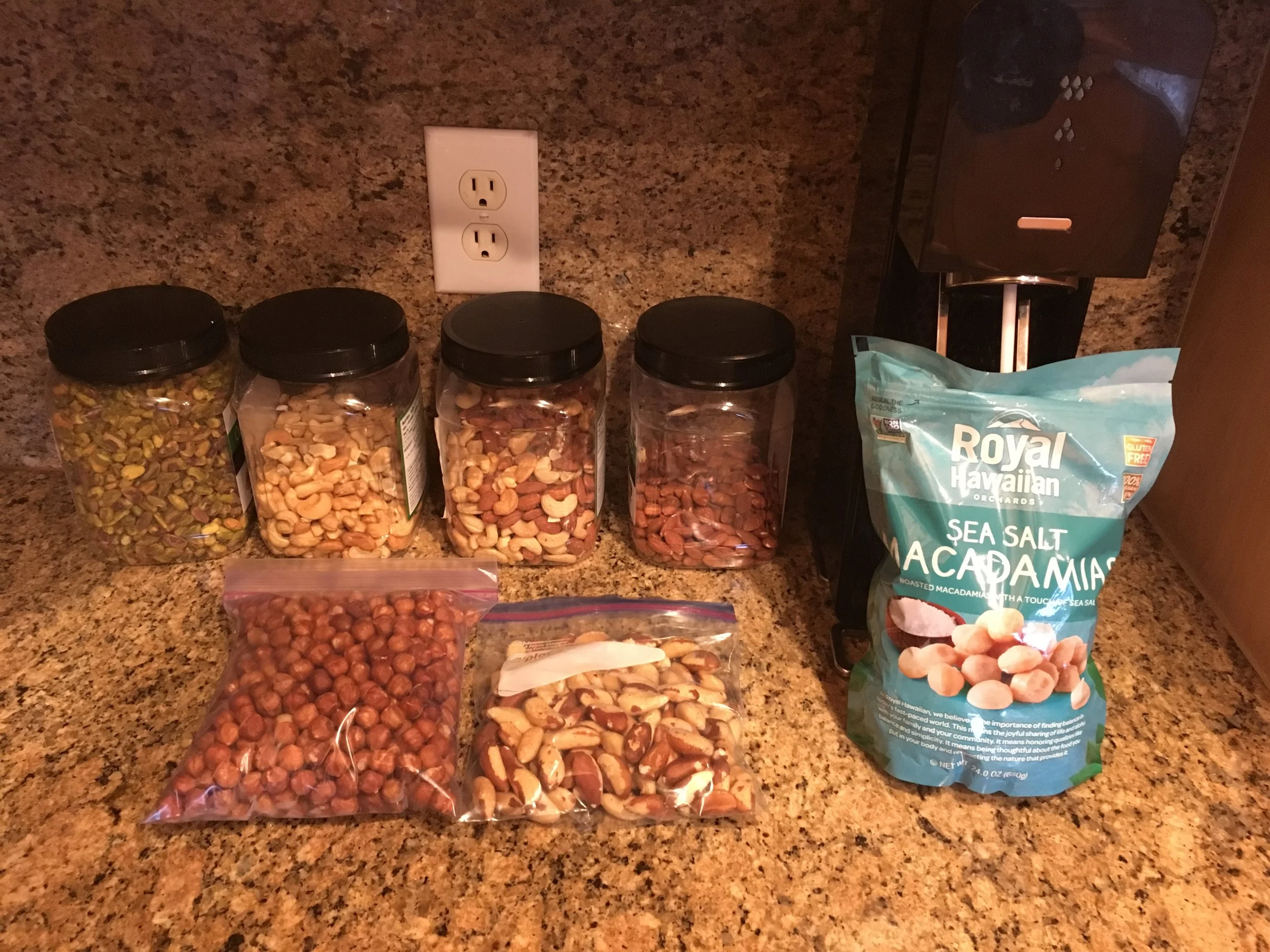
Fortunately, there is a highly portable snack just as convenient as energy bars, but genuinely healthy. That snack is nuts, and they are crazy-good for you.  Below is a picture of the different types of nuts I eat almost every day: pistachios, cashews, almonds, hazelnuts, brazil nuts and macadamia nuts. (They are in front of a SodaStream machine that makes another treat in a cost-effective way: fizzy water.) I would add walnuts and pecans to give myself even more variety if I weren't mildly allergic to walnuts and pecans. Peanuts are also healthy, and I don't have any peanut allergies, but I prefer these other kinds of nuts.  

Photo by Miles Spencer Kimball. I hereby give permission to use this image for anything whatsoever, as long as that use includes a link to this post.

Photo by Miles Spencer Kimball. I hereby give permission to use this image for anything whatsoever, as long as that use includes a link to this post.

Any of these kinds of nuts are easy to put in a ziploc bag and take with you when you are on the go. At home, I eat them while I am making my giant salad. 

Most people like nuts. But nuts taste even better once you have gone off sugar. To me nuts taste somewhat sweet. Here is a tip for making almonds and cashews taste even better: bake them. Here is the recipe that I use:

  • Take top rack out of oven

  • Press convection oven, choose 325 degrees (300 degrees if you don't have a convection oven)

  • Put one sheet of tinfoil on each large flat pan.

  • Sprinkle almonds and cashews on each pan. Make sure they're not double thick (one level of nuts on each pan).

  • Set timer for 23 minutes. Don't overbake. Air should smell like toasty nutty goodness.

I usually mass-produce four cookie sheets worth at once. 

When buying nuts, it is important to check the package to make sure they don't have any added sugar. We get the pistachios, macadamias, cashews and almonds at Costco, but have to make sure to choose the versions without added sugar. (Currently, the versions without added sugar or sugary fruit all have only one type of nut in the container.) Personally, I am not very worried about salt. (See "Salt Is Not the Nutritional Evil It Is Made Out to Be" and "Confirmation Bias in the Interpretation of New Evidence on Salt.") So we buy the Costco salted pistachios, though to my taste I would prefer pistachios that are less salty. The macadamia nuts are also salted. That I like: to me salted macadamia nuts taste a lot better than unsalted macadamia nuts. Macadamia nuts are not always stocked at Costco, so we buy a lot when they are in stock. 

The brazil nuts and hazelnuts I end up buying at Whole Foods. I learned at Whole Foods that hazelnuts are considered a seasonal offering they only actively stock in November and December. But since I only eat a few hazelnuts a day, it is easy to buy enough hazelnuts to last a whole year. I also only eat a few brazil nuts a day, so neither the brazil nuts nor hazelnuts end up being too expensive. 

Besides regularly eating nuts at home and at work, there is one other situation where I find nuts extremely helpful. I don't eat meat very often at home. You can see part of the reason in:

However, I do eat meat at restaurants. Many types of meat have a medium-high insulin index. (See "Forget Calorie Counting; It's the Insulin Index, Stupid.") As a result of the moderate insulin spike after eating meat, I often get a little hungry after a restaurant meal. So I often eat some nuts after a restaurant meal so I will feel satisfied.  

For those who have not yet managed to fully go off sugar, I recommend carrying some nuts with you to eat if you face a temptation to eat sugar. It is hard to beat something tempting with nothing. So don't put yourself in that situation if the temptation is serious; beat sugar with nuts. 

Also, to help you fight the temptations of snacks that claim to be healthy but aren't, read "The Problem with Processed Food." And despite all of its flaws (see my posts "The Case Against Sugar: Stephan Guyenet vs. Gary Taubes" and "The Case Against the Case Against Sugar: Seth Yoder vs. Gary Taubes") you might find The Case Against Sugar a somewhat inaccurate, but still inspirational book. 

Nuts aren't the only healthy treat. I have written about other treats in "Intense Dark Chocolate: A Review" and "Which Is Worse for You: Sugar or Fat?" But nuts are the most versatile snack in being able to fulfill all of the key roles people need snacks for. 

There is one role you shouldn't fill with any snacks, even snacks as healthy as nuts. Don't eat around the clock from the time you get up until the time you go to sleep. Time off from eating each day is important for reaching and maintaining a healthy weight. On that, see "Stop Counting Calories; It's the Clock that Counts" and "Obesity Is Always and Everywhere an Insulin Phenomenon." But as long as you eat nuts within your eating window, and when you are genuinely hungry, it is hard to go wrong with them. 

Update August 22, 2018: I am currently reading Steven Gundry's book The Plant Paradox. So far, I am impressed. He argues that peanuts and cashews (technically legumes and drupes respectively, not nuts) are unhealthy because they contain a lot of lectins (natural insecticides that plants produce) that humans are ill-adapted to detoxify because they were plants from the Americas. Even those of Native American descent have had at most about 14,000 years for evolution to develop defenses against these particular lectins. For the rest of us, it is only 526 years since Columbus. And it is a lot more complex to evolve defenses against particular lectins than, say, the extension of the ability to digest milk into adulthood.

I was never a big fan of peanuts, so avoiding them is no change for me, but currently I have cut out cashews. Also, based on Steven Gundry's advice, I am currently switching to blanched (deskinned) Marcona almonds and shifting away from almond milk toward coconut milk. (I was annoyed to find that Costco's Marcona almonds are roasted in peanut oil, which means I have to get my Marcona almonds online.) 


Don’t miss my other posts on diet and health:

I. The Basics

II. Sugar as a Slow Poison

III. Anti-Cancer Eating

IV. Eating Tips

V. Calories In/Calories Out

VI. Other Health Issues

VII. Wonkish

VIII. Debates about Particular Foods and about Exercise

IX. Gary Taubes

X. Twitter Discussions

XI. On My Interest in Diet and Health

See the last section of "Five Books That Have Changed My Life" and the podcast "Miles Kimball Explains to Tracy Alloway and Joe Weisenthal Why Losing Weight Is Like Defeating Inflation." If you want to know how I got interested in diet and health and fighting obesity and a little more about my own experience with weight gain and weight loss, see “Diana Kimball: Listening Creates Possibilities and my post "A Barycentric Autobiography. I defend the ability of economists like me to make a contribution to understanding diet and health in “On the Epistemology of Diet and Health: Miles Refuses to `Stay in His Lane’.”

Eric Weinstein: Genius Is Not the Same Thing as Excellence

Overall, the Edge piece by Eric Weinstein linked above is not well-written, but I like this passage very much:

Most educated people have come to revere the spending of the fabled '10,000 hours' in training to become respected jacks of one trade. ...

The essence of genius as a modality is that it seems to reverse the logic of excellence.

The reason for this is that sometimes we must, at least initially, move away from apparent success and headlong into seeming failure to achieve outcomes few understand are even possible. This is the essence of the so-called 'Adaptive Valley,' which separates local hills from true summits of higher fitness. Genius, at a technical level, is the modality combining the farsightedness needed to deduce the existence of a higher peak with the character and ability to survive the punishing journey to higher ground. Needless to say, the spectacle of an individual moving against his or her expert community away from carrots and towards sticks is generally viewed as a cause for alarm independently of whether that individual is a malfunctioning fool or a genius about to invalidate community groupthink.

The Social Contract According to John Locke

There are many different versions of the notion of a social contract. A common description of the social contract is that people give up some of their rights in order to get the benefits of living in civil society. For example, the current version of the Wikipedia article "Social contract" says:

Social contract arguments typically posit that individuals have consented, either explicitly or tacitly, to surrender some of their freedoms and submit to the authority of the ruler or magistrate (or to the decision of a majority), in exchange for protection of their remaining rights.

John Locke's version of social contract theory is striking in saying that the only right people give up in order to enter into civil society and its benefits is the right to punish other people for violating rights. No other rights are given up, only the right to be a vigilante.

Even the right to be a vigilante returns to the individual if the government breaks the social contract by not punishing those who violate rights.  (See John Locke: When the Police and Courts Can't or Won't Take Care of Things, People Have the Right to Take the Law Into Their Own Hands.) But the principle that "People Must Not Be Judges in Their Own Cases" means that no one person or group of people who all have the same grievance should make the decision that the government has failed in its job of punishing those who violate their rights. There should be some substantial set of individuals who do not have a direct grievance who also think that the government is failing in its job before anyone takes the law into their own hands again. And the principle that people must not be judges in their own cases means that setting up at least an ad hoc civil society to patch the regular government's failings is better than reverting to anarchy.

To see that according to John Locke we retain all the rights we would have in the state of nature other than the right to punish, consider Sections 88 and 89 of John Locke's 2d Treatise on Government: “Of Civil Government” (in Chapter VII, "Of Political or Civil Society"): they are clearly about the social contract but only mention the right to operationalize the law of nature in detailed legislation, judge according to those laws, and mete out appropriate punishments: 

§. 88. And thus the commonwealth comes by a power to set down what punishment shall belong to the several transgressions which they think worthy of it, committed amongst the members of that society, (which is the power of making laws) as well as it has the power to punish any injury done unto any of its members, by any one that is not of it, (which is the power of war and peace;) and all this for the preservation of the property of all the members of that society, as far as it is possible. But though every man who has entered into civil society, and is become a member of any commonwealth, has thereby quitted his power to punish offences, against the law of nature, in prosecution of his own private judgment, yet with the judgment of offences, which he has given up to the legislative in all cases, where he can appeal to the magistrate, he has given a right to the commonwealth to employ his force, for the execution of the judgments of the commonwealth, whenever he shall be called to it; which indeed are his own judgments, they being made by himself, or his representative. And herein we have the original of the legislative and executive power of civil society, which is to judge by standing laws, how far offences are to be punished, when committed within the commonwealth; and also to determine, by occasional judgments founded on the present circumstances of the fact, how far injuries from without are to be vindicated; and in both these to employ all the force of all the members, when there shall be no need.

  §. 89. Wherever therefore any number of men are so united into one society, as to quit every one his executive power of the law of nature, and to resign it to the public, there and there only is a political, or civil society. And this is done, wherever any number of men, in the state of nature, enter into society to make one people, one body politic, under one supreme government; or else when any one joins himself too, and incorporates with any government already made; for hereby he authorizes the society, or which is all one, the legislative thereof, to make laws for him, as the public good of the society shall require: to the execution whereof, his own assistance (as to his own decrees) is due. And this puts men out of a state of nature into that of a commonwealth, by setting up a judge on earth, with authority to determine all the controversies, and redress the injuries that may happen to any member of the commonwealth; which judge is the legislative, or magistrates appointed by it. And wherever there are any number of men, however associated, that have no such decisive power to appeal to, there they are still in the state of nature.

On this model, the government is limited in two ways. First, it cannot take away from us any rights we would have in the state of nature, and is given only the right to punish for things that deserve punishment. Second, the government can only punish for things that deserve punishment, and these are the same things that would deserve punishment in the state of nature. That is, while the government can operationalize the law of nature in more detailed legislation, it cannot legislate anything that is not in the law of nature.

How does one tell what is in the law of nature that a government can legitimately turn into detailed legislation? Think of what would be right and just in a frontier community in an area so sparsely settled that there is no sheriff or city council anywhere in sight. (See "Vigilantes in the State of Nature" for more vivid versions of this kind of image.) The justice of any action of the government in a large nation must be argued by those same principles of what is right and just in that frontier community with no functioning government. Established governments should be given some deference in interpreting the law of nature in this sense, but according to John Locke, they have no right to legislate anything contrary to that law of nature.

Michael Huemer looks closely at our intuitions for what someone can legitimately do acting as an enforcer in such a sparsely settled frontier community with no established government in The Problem of Political Authority. My intuitions would allow someone acting as an enforcer to do somewhat more than Michael's intuitions (for example, I think it can be justified to have "taxes" in the form of reasonable required contributions for important public goods such as fending off an attack that could get everyone killed), but I think Michael's method is the right one. 

I love the idea that what is wrong for an individual in the state of nature cannot suddenly become OK just because the government is doing it. The state of nature is a tough place, so many things might be OK in the state of nature. Almost all of us are familiar with the exigencies of the state of nature because so many action movies derive much of their interest by putting the characters into something that bears the hallmarks of the state of nature. (How many times have you seen in a movie or TV show someone saying "I can't go to the police because ...."? Except in cop and detective shows, it is hard to drive the plot if people just call the police.) But if it isn't right in the state of nature for individuals to enforce, even in an emergency, or in a situation where there is a huge benefit to be gained, it isn't right for the government to do. 

Update: In John Locke: The Public Good” I discuss another passage in which John Locke seems to be saying that people also give over other rights in order for the state to pursue “the public good.” My view is that John Locke has two different, somewhat inconsistent visions of what the state can legitimately do. Sometimes he talks as if the state is only a mutual defense agreement; at other times he talks as if the state is also a mutual improvement association.

Martin A. Schwartz: The Willingness to Feel Stupid Is the Key to Scientific Progress

                                        Link to the article above

                                        Link to the article above

I love Martin A. Schwarz's essay "The importance of stupidity in scientific research." Any PhD student should immediately click the link and read the whole, brief essay. In case you aren't convinced, here are some key excerpts. 

For almost all of us, one of the reasons that we liked science in high school and college is that we were good at it. That can't be the only reason – fascination with understanding the physical world and an emotional need to discover new things has to enter into it too. But high-school and college science means taking courses, and doing well in courses means getting the right answers on tests. If you know those answers, you do well and get to feel smart.

A Ph.D., in which you have to do a research project, is a whole different thing. For me, it was a daunting task. How could I possibly frame the questions that would lead to significant discoveries; design and interpret an experiment so that the conclusions were absolutely convincing; foresee difficulties and see ways around them, or, failing that, solve them when they occurred? ... I remember the day when Henry Taube (who won the Nobel Prize two years later) told me he didn't know how to solve the problem I was having in his area. I was a third-year graduate student and I figured that Taube knew about 1000 times more than I did (conservative estimate). If he didn't have the answer, nobody did.

That's when it hit me: nobody did. That's why it was a research problem. And being my research problem, it was up to me to solve.

... if we don't feel stupid it means we're not really trying. ... Science involves confronting our `absolute stupidity'. That kind of stupidity is an existential fact, inherent in our efforts to push our way into the unknown.


Closely related post:  "Matt Rognlie on Misdiagnosis of Difficulties and the Fear of Looking Foolish as Barriers to Learning"

In other posts, I have two categories of advice for economists in relation to their work.

1. More personal advice:

2. Advice for doing good for the world:

How Sugar, Too Much Protein, Inflammation and Injury Could Drive Epigenetic Cellular Evolution Toward Cancer

                                       Link to the Wikipedia article on "Epigenetics"

                                       Link to the Wikipedia article on "Epigenetics"

It is a commonplace in cancer science to think that cancer cells arise from some kind of cellular evolution, in which cancer cells outcompete normal cells. The standard view is that cancer cells evolve from genetic cellular evolution, but there is a problem with this view: almost all genetic mutations make a cell less fit—that is, less able to compete—in almost every way.

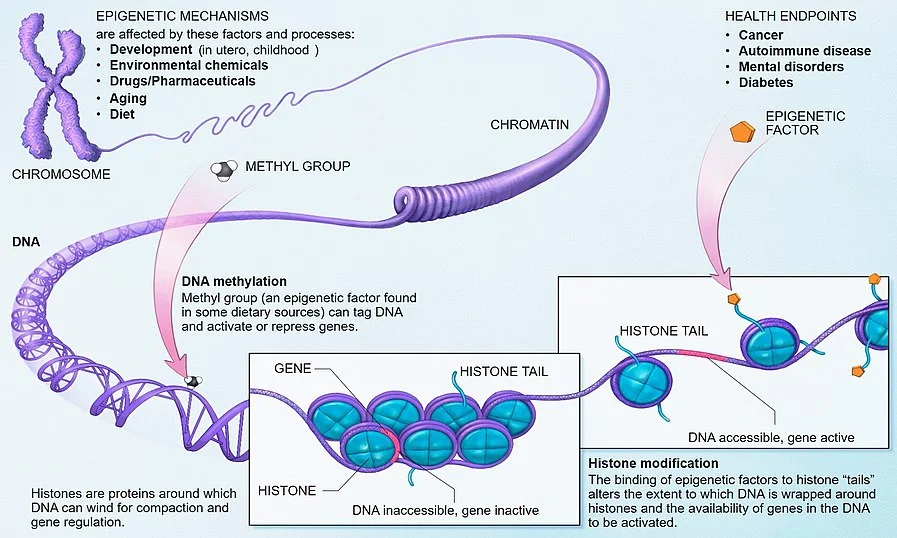
My view—consistent with that of a minority of cancer researchers—is that cancer cells evolve through epigenetic cellular evolution. Epigenetics is the set of switches that tells a cell which to express of all the capabilities already there in its genetic code. Epigenetics is what drives cellular differentiation for normal cells. Other than eggs and sperm, which have only random halves of your genes, all of the normal cells in your body have essentially the same genetic code, but act very differently from each other because of their epigenetic settings. Genetically, every normal cell has the programming for all the capabilities expressed by any cell in your body. Cancer cells typically have some damage that leaves them short of some capabilities (see Good News! Cancer Cells are Metabolically Handicapped), but using the capabilities that remain, they can often get an advantage by having a different set of capabilities switched on than the surrounding normal cells. Under this epigenetic cellular evolution theory of cancer, cellular evolution doesn't have to do the work of hundreds of millions of years of regular evolution, it only has to flip a few switches to turn on capabilities already there from the hundreds of millions of years of genetic evolution behind the normal cells the cancer cells descend from, perhaps a few dozen or a few hundred cell divisions back. 

Let me pursue a stark analogy between cancer and ethnic cleansing in Yugoslavia. Through epigenetic evolution, cancer cells turn on a preexisting capability for unbridled cell division and brutality against surrounding cells. This is like the evolution of ideas rationalizing ethnic cleansing turning on a preexisting capability for rape, murder and other forms of brutality in many men who were normal citizens of Yugoslavia a few years earlier. 

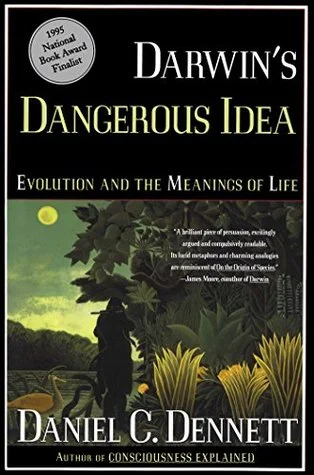
Many facts about cancer point to some form of evolution. But evolution need not be genetic. Evolution can act on many substrates. The 4th book I feature in "Five Books That Have Changed My Life" is Daniel Dennet's book Darwin's Dangerous Idea:

On page 343, Daniel Dennett emphasizes how general the principles of evolution are:


The outlines of the theory of evolution by natural selection make clear that evolution occurs whenever the following conditions exist:

  1. variation: there is a continuing abundance of different elements
  2. heredity or replication: the elements have the capacity to create copies or replicas of themselves
  3. differential "fitness": the number of copies of an element that are created in a given time varies, depending on interactions between the features of that element and features of the environment in which it persists

All of these conditions are fulfilled for epigenetic switches.

  • In addition to regular cellular differentiation, the vicissitudes a cell is subject to and fusion of separate cells into one cell creates epigenetic variation.
  • With some imperfection, the epigenetics of a cell tends to be inherited by its daughter cells.
  • The effect of epigenetics on growth and cell division, on whether a cell is treated as friend or foe by immune cells, on the susceptibility to signals for self-destruction, the ability to grab key resources, and the ability to travel to new and promising places in the body to set up shop create differential fitness for cells.  

Let's do a rundown of the distinguishing characteristics of cancer cells to see why the genetic potential for each of these capabilities would be there already in normal cells, though often not turned on on. For this list, let me quote from Chapter 2 ("Confusion Surrounds the Origin of Cancer") of Thomas Seyfried's book Cancer as a Metabolic Disease: On the Origin, Management, and Prevention of Cancer. Thomas Seyfried: 

In a landmark review on cancer, Drs. Hanahan and Weinberg suggested that six essential alterations in cell physiology were largely responsible for malignant cell growth [5]. This review was later expanded into a book on the Biology of Cancer [31]. These six alterations were described as the hallmarks of nearly all cancers and have guided research in the field for the last decade [32]. The six hallmarks (Fig. 2.2) include the following (italics and punctuation added to the headings):

1. Self-Sufficiency in Growth Signals. This process involves the uncontrolled proliferation of cells owing to self-induced expression of molecular growth factors. Inother words, dysregulated growth would arise through abnormal expression of genes that encode growth factors. The released growth factors would then bind to receptors on the surface of the same cell (autocrine stimulation) or bind to receptors on other nearby tumor cells (paracrine stimulation), thereby locking-in signaling circuits that perpetuate continuous replication. Complicated cybernetic-type diagrams are often presented to illustrate these phenomena (Fig. 2.3). Cybernetics is generally viewed as the study of goal-directed control and communication systems [33]. The abnormal circuitry in tumor cells is assumed to result in large part from the dominant expression of cancer-causing oncogenes.

2. Insensitivity to Growth-Inhibitory (Antigrowth) Signals. In order to carry out specific functions in mature differentiated tissues, most cells must remain quiescent or nonproliferative. A complex signaling circuitry involving the action of tumor-suppressor genes is necessary to maintain the quiescent state. In addition to these internal signals, interactions with other cells (cell–cell) and the external environment (cell–matrix) also act to maintain quiescence. Damage to suppressor genes or the microenvironment is assumed to dampen growth inhibition and provoke proliferation, as the cell no longer responds appropriately to the growth-inhibitory actions of these genes or molecules. Tumor cells are known to express multiple defects in tumor-suppressor genes and in cell–cell or cell–matrix interactions.

3. Evasion of Programmed Cell Death (Apoptosis). Programmed cell death is an effective means of eliminating damaged or dysfunctional cells. Elimination of damaged cells is necessary in order to maintain tissue homeostasis and health. Cell damage can initiate the release of mitochondrial cytochrome c, a protein of the mitochondrial electron transport chain, which is a potent inducer of apoptosis in normal cells. In contrast to normal cells, however, tumor cells lose their sensitivity to apoptotic death signals. Consequently, tumor cells continue to live and proliferate despite damage to their nuclear DNA and respiration. Loss of tumor-suppressor genes, which sense cell damage and initiate cell death, is responsible in part for resistance of tumor cells to programmed cell death. The acquired resistance to apoptosis is a recognized hallmark of most cancers [5, 32].

4. Limitless Replicative Potential. All cells of a given species possess a finite number of divisions before they reach mortality. This is a cell-autonomous program that induces senescence and prevents immortality [5]. Tumor cells, however, lose responsiveness to this program and continue to divide. The phenomenon of limitless replicative potential is closely connected to the first three acquired capabilities.

5. Sustained Vascularity (Angiogenesis). Angiogenesis involves neovascularization or the formation of new blood capillaries from existing blood vessels and is associated with the processes of of tissue inflammation and wound healing. Many solid tumors have difficulty growing unless enervated with blood vessels, which can deliver nutrients while removing metabolic waste products (Fig. 1.3). The dissemination of tumor cells throughout the body is assumed to depend in part on the degree of tumor vascularization. The more blood vessels in tumors, the greater will be the potential to invade and metastasize. Tumor cells release growth factors that stimulate nearby host stromal cells (vascular endothelial cells and macrophages) to proliferate, thus providing the tumor with a vasculature and the means for more rapid growth. The endothelial cells form the vessel walls, while the local macrophages and other stromal cells degrade the microenvironment facilitating neovascularization. A switch from low vascularization to high vascularization is considered to be an essential acquired capability for tumor progression [5, 32, 34].

6. Tissue Invasion and Metastasis. Invasion of tumor cells into local tissue and their spread to distant organs underlies the phenomenon of metastasis. Metastasis or complications of metastasis is associated with about 90% of all cancer deaths [32, 35]. The prevention of metastasis remains the single most important challenge for cancer management.

Growth and Division: The capability for growth and division relevant for characteristics 1, 2 and 4 of cancer cells is definitely something normal cells have to have already in their genes. This means that all it takes to get these characteristics of cancer is to disable the control mechanisms that keep cell growth and division in check. Disabling something—making it not work—is relatively easy. Indeed, disabling is easy enough that it is logically possible that a genetic change rather than an epigenetic change could do it. But direct evidence suggests that, in fact, the control mechanisms that keep cell growth and division in check are disabled epigenetically. In Thomas Seyfried's Chapter 11, "Mitochondria: The Ultimate Tumor Supressor," he gives these remarkable facts:

It is also well documented that nuclei from cancer cells can be reprogrammed to form normal tissues when transplanted into normal cytoplasm despite the continued presence of the tumor-associated genomic defects in the cells of the derived tissues. Dramatic evidence for this fact was obtained from studies in neoplastic tissue from frogs and mice. McKinnell et al. [16] provided some of the first evidence showing that tumor cell nuclei could direct normal vertebrate development following transplantation of the tumor cell nucleus into an enucleated normal egg cell. [From section 11.4]

... nuclear/cytoplasmic hybrids derived by fusion of cytoplasts from malignant cells (nucleus absent) with karyoplasts from normal cells (nucleus present) produced tumors in 97% of the animals injected. These findings showed that normal cell nuclei could not suppress tumorigenesis when placed in tumor cell cytoplasm. In other words, normal nuclear gene expression was unable to suppress malignancy. These findings showed that it was the cytoplasm, rather than the nucleus, that dictated the malignant state of the cells. Although these investigators did not define the molecular basis for the cytoplasmic mediation of tumorigenesis, they suggested that epigenetic alterations of nuclear gene expression might be responsible. [From section 11.2]

Not Committing Cell Suicide: Every normal cell in the body clearly has to have the genetic potential to not kill itself. Again, to get this characteristic 3 of cancer cells requires disabling a self-destruct mechanism, not building anything new. 

Being Able to Get New Blood Vessels to Form: Both when a fetus is developing in the womb and in repairing an injury, new tissue needs to be formed. Most types of tissue require nourishment from blood. So most types of normal cells have to have in their fairly immediate cell ancestry cells that had the capability to signal blood vessels—at the least small capillaries—to form within that tissue. Because this capability needs to be switched on again when repairing an injury, injuries are likely to put cells one step closer to being in the cancerous state. 

Tissue Invasion and Metastasis. Metastasis is when cancer travels to a distant part of the body rather than just growing to impinge on neighboring parts of the body. There is a subset of normal cells that have to be able to travel all over the body: cells of the immune system. Thomas Seyfried argues at length in Chapter 13, "Metastasis," that a cancerous but not metastatic cell can gain metastatic capabilities for a descendant of sorts by fusing with myeloid cells—immune cells with their origin in the bone marrow—particularly macrophages, a type of white blood cell. 

Fusion of a cancerous but not metastatic cell with a macrophage is like a criminal corrupting and teaming up with a trusted police officer. All sorts of things become possible when police credentials can be used to further criminal activity in the one case or white blood cell credentials can be used to further the spread of cancer in the other. 

Implications for Cancer Prevention

Avoid Inflammation. A lot is known about risk factors for cancer. Many of these risk factors make more intuitive sense when one realizes that flipping a few epigenetic switches can put a cell on the road to cancer even without any damage to the genes in the cell's nucleus. Many cancer risk factors can be seen as working through causing inflammation. In the first paragraph of Chapter 19, "Cancer Prevention," Thomas Seyfried lays explains the importance of inflammation: 

... It is well documented that the incidence of cancer can be significantly reduced by avoiding exposure to those agents or conditions that provoke tissue inflammation, such as smoking, excessive alcohol consumption, carcinogenic chemicals, ionizing radiation, and obesity [2–5].

Elevated levels of inflammation biomarkers (IL-6, IL-8, C-reactive protein, etc.) predict increased risk of cancer [6]. Chronic inflammation, regardless of its origin, damages tissue morphogenetic fields and the epithelial and mesenchymal cells within the field [7–15]. Most importantly, inflammation damages cellular mitochondria, thus reducing the efficiency of OxPhos. Reduced OxPhos efficiency initiates a mitochondrial stress response (RTG signaling) within cells (Chapter 10). RTG signaling is needed to upregulate either glycolysis in the cytoplasm or amino acid fermentation in the mitochondria. Only those cells that can enhance their fermentation in response to respiratory damage will survive. Cells incapable of enhancing fermentation will die from energy failure. As mitochondrial function maintains the differentiated state, cells that upregulate fermentation for survival are at increased risk of becoming less differentiated and ultimately transformed. Prolonged reliance on fermentation destabilizes the nuclear genome, thus initiating the path to carcinogenesis and frank neoplasia. Inflammation damages cellular respiration; damaged respiration is the origin of cancer.

This passage needs some unpacking. A "morphogenetic field" is a pattern of epigenetics in neighboring cells that helps each cell do what it should within a larger tissue or organ. OxPhos is the main generator of ATP energy packets in normal cells. OxPhos depends on delicate structures within mitochondria. Damage to OxPhos puts the affected cells at a metabolic disadvantage to normal cells, as I discussed in "Good News! Cancer Cells are Metabolically Handicapped. But cells with damaged OxPhos are often able to turn on the backup energy generation system of "fermentation." If they can't turn on the backup energy generation system of fermentation, they die. On backup power, cells are not good at keeping their nuclear genes intact when they divide. So even if the key pathway to cancer is epigenetic rather than genetic, the nuclear genes will indeed be messed up in cancer cells. 

Note also that nuclear genes can be part of the cause for cancer even if the key pathway involves either inflammation or more direct damage to mitochondria: nuclear genes can make the body more prone to inflammation or nuclear genes can create extra dangers for mitochondria. And of course mitochondrial genes (in the mitochondria outside the nucleus) can make mitochondria extra vulnerable. (Mitochondrial genes are inherited from one's mother.)

Avoid Injury. Above, I discussed how injury is likely to switch on genes for vascularization. Injury also often calls on immune cells that could be in danger of corruption by fusion with cancerous or precancerous cells. Finally, injury causes inflammation. 

Starve Cancer Cells. I pursued the logic of starving cancer cells in "How Fasting Can Starve Cancer Cells, While Leaving Normal Cells Unharmed." Fermentation allows cancer cells to metabolize sugar and protein—most directly the amino acid glutamine—but according to Thomas Seyfried, cancer cells are not good at metabolizing fat. From Section 15.2, "Tumor Cell Fitness in Light of the Evolutionary Theory of Rick Potts," Thomas Seyfried writes:

Ketone bodies and fats are nonfermentable fuels in mammalian cells. Tumor cells have difficulty in using ketone bodies and fats for fuel when glucose is reduced. Because tumor cells lack genomic stability, they are less able than normal cells to adapt to changes in the metabolic environment. 

Increasing or decreasing the availability of glucose and glutamine, or the availability of ketone bodies and fats to cells of all types should affect the fitness of cancerous or precancerous cells relative to normal cells. If glucose and glutamine are the most nutritious food for cancer cells, that matters for epigenetic evolution. Here are some key practical points:

  • Easily digestible carbs make glucose more available to cells.
  • Fasting makes glucose and glutamine less available and fats and ketone bodies more available to cells.
  • Less is known about which foods make glutamine especially easily available to cells once the body has begun processing those foods. But let me put out there the testable hypothesis that meat and milk cause a bigger spike in glutamine availability to cells than an equal amount of protein in vegetables—not because there is less glutamine in vegetables, but simply because it would take longer for the body to extract the protein from the vegetables than from meat or milk.
    The reason we know relatively little in this area is that the potential danger of cancer promotion from glutamine availability has not been a focus of research. (On "promotion," see "Why You Should Worry about Cancer Promotion by Diet as Much as You Worry about Cancer Initiation by Carcinogens.") In particular, I don't know of any research yet on a counterpart to the glycemic index or the insulin index for the effect of a particular type of food on glutamine availability to cells. I would love to hear about any such research. 

Why would cancer cells be metabolically handicapped? Thomas Seyfried's argument is that relying on fermentation is typically a key part of the path through which cells become cancerous. Or to put it another way, damaged OxPhos is the easiest way to disable the "limits to growth" that are switched on in normal cells. Here is how Thomas describes this disabling of the limits to growth at the end of section 15.1 "Revisiting Growth Advantage of Tumor Cells, Mutations and Evolution":

Davies and Lineweaver provided insightful views on the evolutionary origin of cancer [10]. They consider cancer as an atavistic state of multicellular life where long-suppressed ancestral cellular functions become reactivated or switched on. According to their view, cancer genetic or epigenetic mutations unlock an ancient “toolkit” of preexisting adaptations that allow cancer cells to survive in hypoxic environments. The Davies and Lineweaver evolutionary view of cancer is consistent in some ways with my hypothesis and with the views of Sonnenschein and Soto [33] and Szent-Gyorgyi [20]. Unbridled proliferation is the default state of metazoan cells. Unbridled proliferation existed during the oxygen-sparse α period of species evolution. This was also a highly reduced state where the ancient pathways of fermentation predominated in driving cell physiology. The appearance of oxygen gave rise to the oxidized state and the emergence of respiration. The emergence of respiration facilitated greater complexity in biological systems.

Respiration largely maintains the differentiated state of metazoan cells. Irreversible damage to respiration, coincident with a rise in fermentation, would unlock the toolkit of preexisting adaptations needed to survive in low oxygen environments. According to my view, protracted respiratory injury gives rise to compensatory fermentation or the atavistic condition in order to maintain cell viability. 

"Atavistic" describes reversion to an ancient pattern. The ancient pattern for cells was fermentation, coupled with unbridled growth and cell division as long as the necessary nutrients were available. 

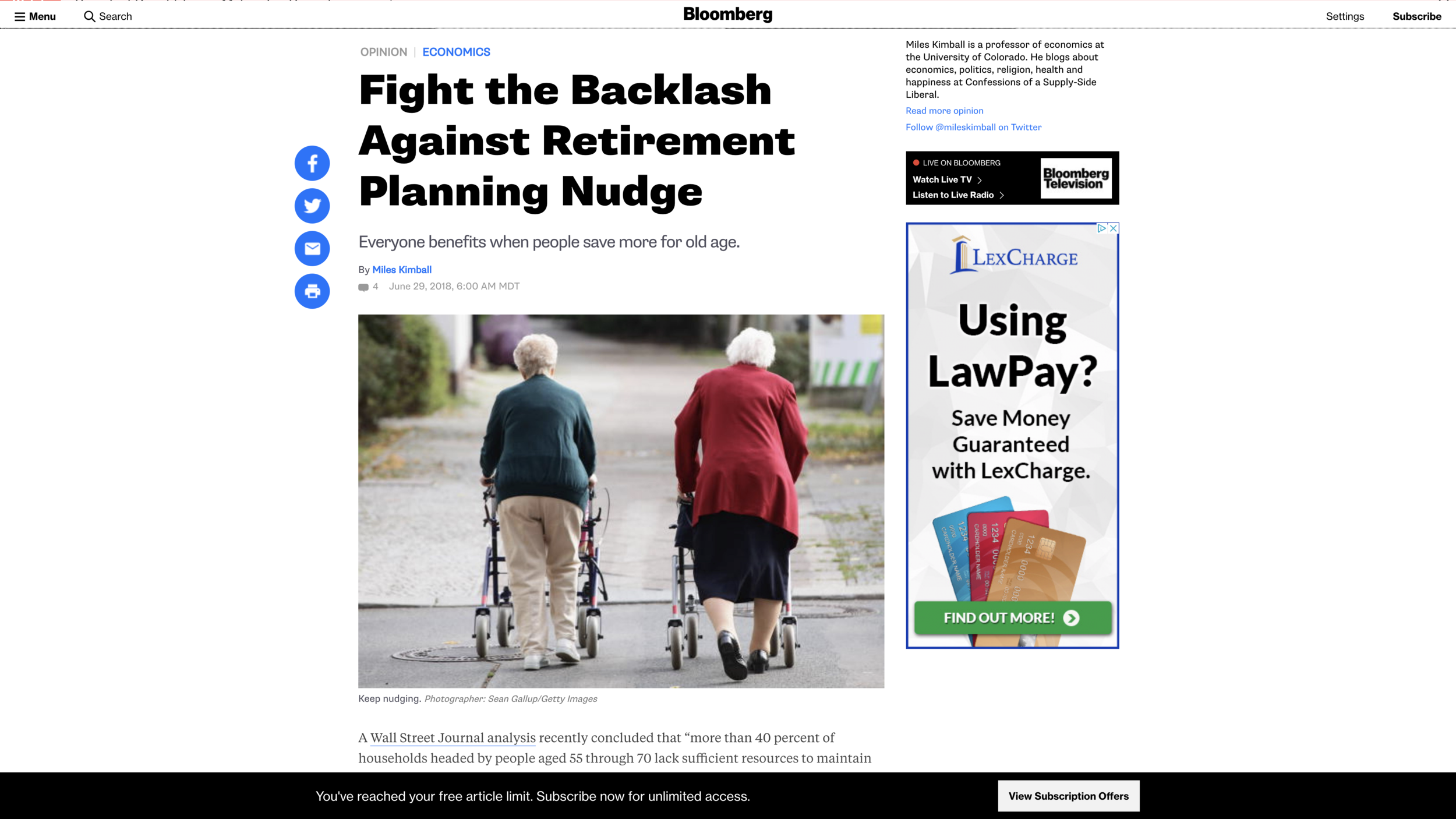
Update, June 19, 2018. I noticed this article about a team doing research on the epigenetics of cancer at the University of Colorado Boulder: 
                                                                      &nbs…

                                                                                              Link to the article above

Here is the most interesting paragraph:

“Many cancers make use of epigenetic gene silencing to promote their own growth. Medical scientists want to inhibit this cancer-causing process, but they first need to know exactly how it works,” said Nobel Laureate and Distinguished Professor Thomas Cech, senior author of the study. “Our new work contributes to the understanding of how the molecular machine responsible for gene silencing is recruited to its sites of action in human cells, determining which genes are turned off."


Don't miss these other posts on diet and health and on fighting obesity:

Also see the last section of "Five Books That Have Changed My Life" and the podcast "Miles Kimball Explains to Tracy Alloway and Joe Weisenthal Why Losing Weight Is Like Defeating Inflation." If you want to know how I got interested in diet and health and fighting obesity and a little more about my own experience with weight gain and weight loss, see my post "A Barycentric Autobiography."