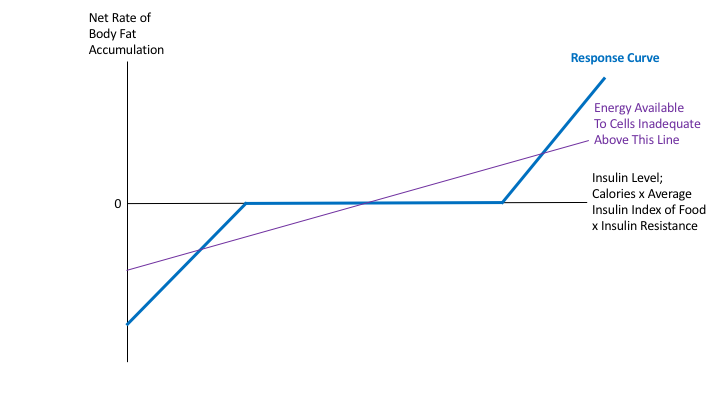
Besides frozen cherries with half and half and homemade nutbars, one of my healthy treats is a few squares of intense dark chocolate each day that I am eating anything. (On the benefits of fasting, see my posts "Obesity Is Always and Everywhere an Insulin Phenomenon" and "Stop Counting Calories; It's the Clock that Counts.") Although the sugar in most chocolate is a problem, I think of the cocoa in chocolate as being good for my health. In this, I am not alone. As Richard Shiffman writes in his interesting Valentine's Day Wall Street Journal article "Is Chocolate a Healthy Choice for Valentine’s Day? That Depends on Which Kind":
U.S. sales of chocolate went from $14.2 billion in 2007 to $18.9 billion in 2017, a period during which overall sales for candy declined, largely because of growing health concerns over sugar.
How did chocolate manage to buck the bear market in candy? One reason is the widespread perception that chocolate, unlike other sweet treats, is not just delicious but good for you.
Here is some of the evidence for the health benefits of chocolate, according to Richard Shiffman in the same article:
Leaving aside such historical hype, many modern studies have shown, in fact, an association between the consumption of pure cocoa, which is rich in compounds called flavanols, and moderate reductions in risk for a range of cardiovascular illnesses and even for diabetes. Research done in 2009 on the Kuna people, who live on islands off the coast of Panama, lends some credence to these results. Dr. Norman Hollenberg of Harvard Medical School found that the Kuna, who drink up to 10 cups of gravy-thick homegrown hot cocoa a day, live longer and have lower rates of hypertension, heart disease and stroke than most Western populations, though other factors may also contribute to their outstanding health.
Science has also delved into the impact of cocoa products on various brain functions. A review published last May in the journal Frontiers in Nutrition found evidence that cocoa flavanols may help to focus concentration and improve memory and may even slow the mental decline that often comes with aging.
... ... the Cosmos trial—is administering cocoa flavanol capsules together with placebos to over 21,000 individuals. Harvard’s Dr. JoAnn Manson, a co-director of the study, says that while previous research shows that cocoa can lower blood pressure and increase the elasticity of blood vessels, “the jury is still out on whether this translates as lower risk of heart attack and strokes.” The researchers hope to provide some definitive answers when they publish their findings in 2020.
However, this evidence needs to be taken with a grain of salt:
Dr. Marion Nestle (no relation to the chocolate manufacturer), a professor emerita in the nutrition and food studies department at New York University, points out that most chocolate research has been funded, at least in part, by chocolate companies. “In general, they get overwhelmingly positive results. Whereas studies that are independently funded have mixed results,” Dr. Nestle said. “Bias can creep in with the research question that they ask, or how they interpret the results.” In fact, all of the studies I have cited in this article have received at least some of their funding from chocolate manufacturers or analyze research that did.
As I touch on in "Let's Set Half a Percent as the Standard for Statistical Significance," scientists distort evidence quite a bit just for the academic rewards of getting published in journals. The desire to secure funding can also tilt research.
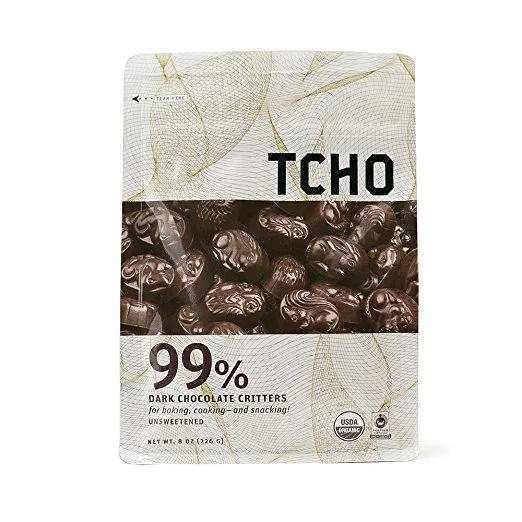
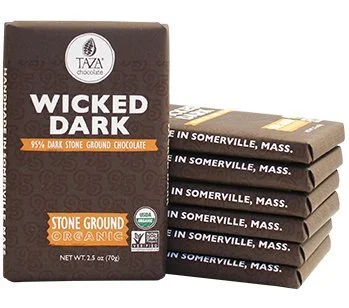
Still, I think of chocolate as not only delicious but healthy—except for the sugar in most chocolate. So I try to eat chocolate that has such a high percentage of cocoa that I figure there isn't much room left for a lot of sugar.
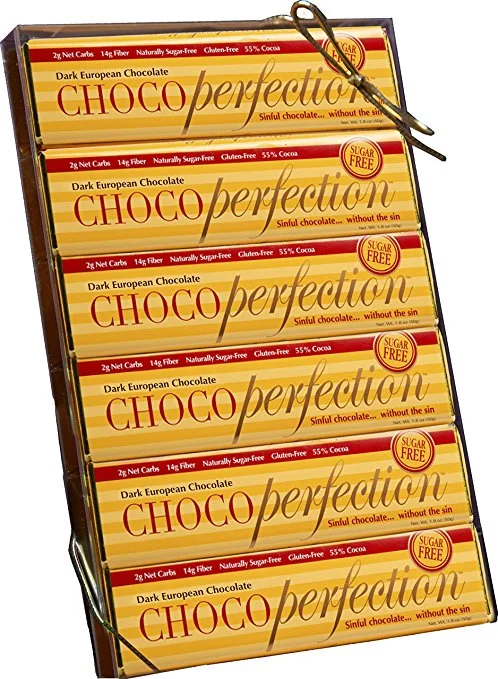
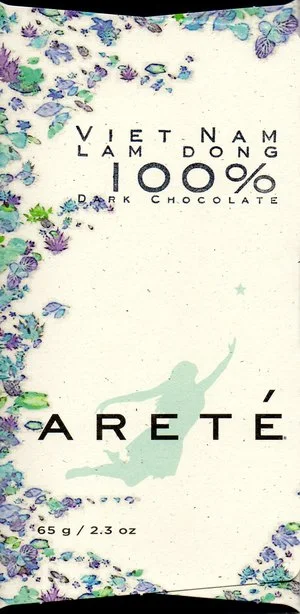
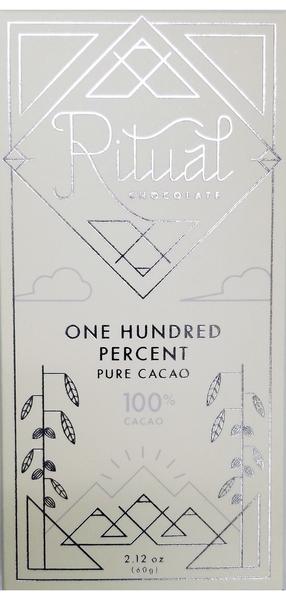
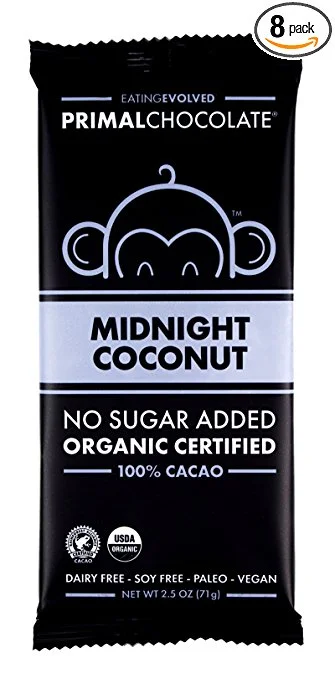
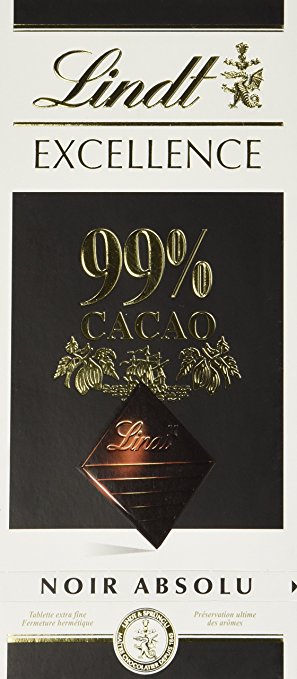
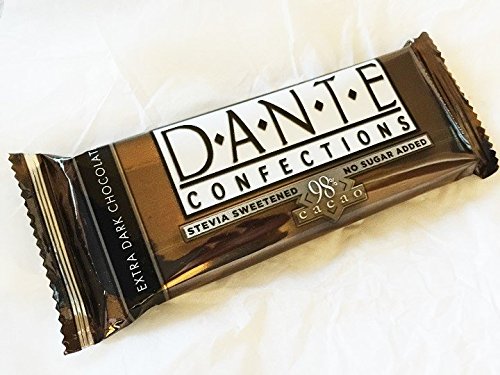
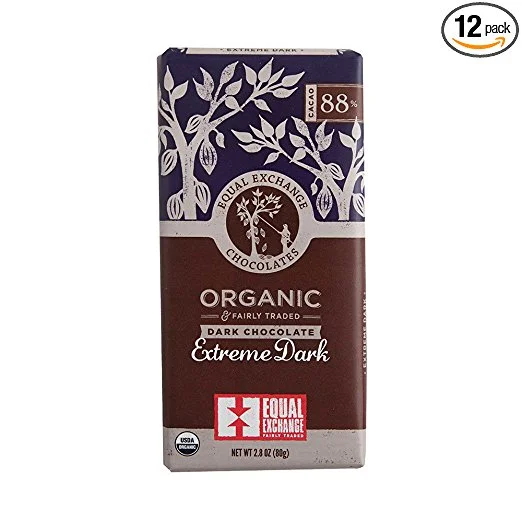
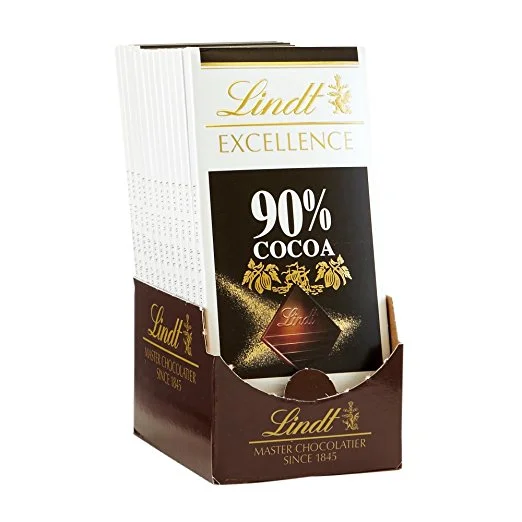
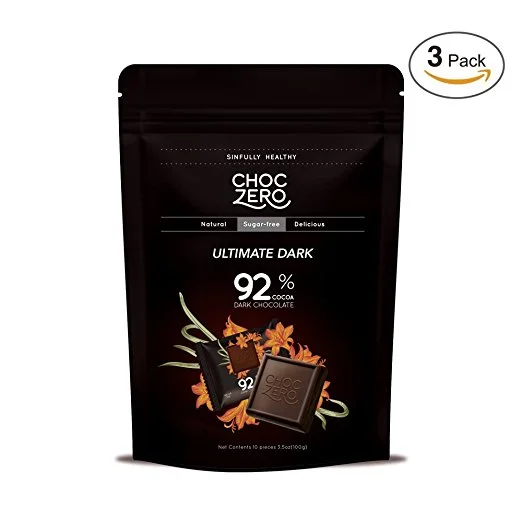
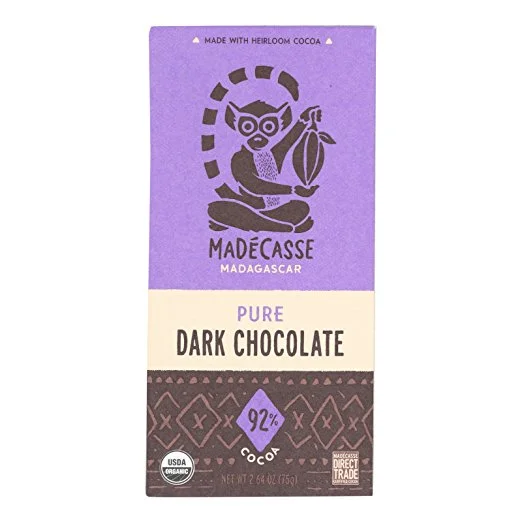
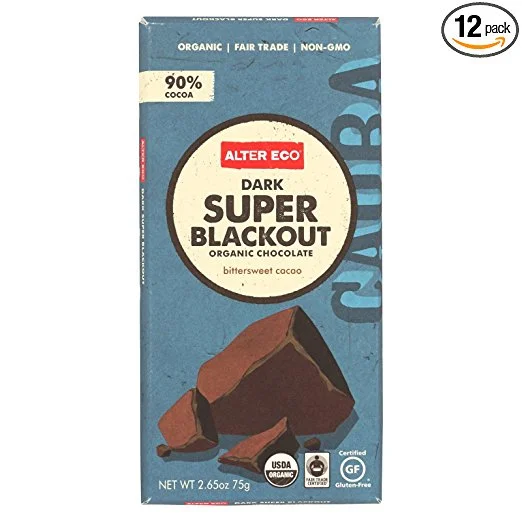
Let me review several types of chocolate bars with very high percentages of cocoa. I assure you, I don't receive any money from companies that sell chocolate, unless you count my income from the University of Colorado Boulder, the University of Michigan and the University of Southern California, which no doubt sell chocolate in their university bookstores.
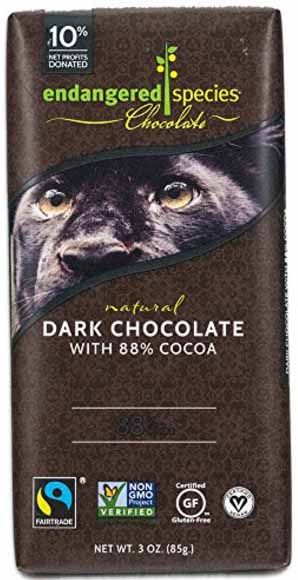
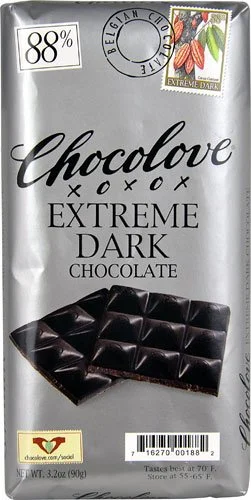
Because it is easy to get at the grocery store, not unreasonably expensive, and delicious, my main go-to chocolate is squares from a panther bar, which advertises itself as 88% cocoa: