John Locke: The Law of Nature Requires Maturity to Discern

In the course of arguing that parental power is only temporary, John Locke makes it clear how closely reason is connected to his idea of natural law. Human beings are subject to natural law precisely because they have reason. And not just some degree of reason, the level of reason people have at maturity, assuming they have normal intelligence. In addition to making these key point in section 58-62 of his 2d Treatise on Government: “Of Civil Government” (Chapter VI. Of Paternal Power), John Locke gives a nice example of how crucial reason is to taking on one's role in society: even a king, if too young to have mature rationality, is not allowed full freedom. John Locke also points out that below a certain age, we do not require children to jump through the same hoops for citizenship that we require of adults:
The power, then, that parents have over their children, arises from that duty which is incumbent on them, to take care of their offspring, during the imperfect state of childhood. To inform the mind, and govern the actions of their yet ignorant non-age, till reason shall take its place, and ease them of that trouble, is what the children want, and the parents are bound to; for God having given man an understanding to direct his actions, has allowed him a freedom of will, and liberty of acting, as properly belonging thereunto, within the bounds of that law he is under. But whilst he is in an estate, wherein he has not understanding of his own to direct his will, he is not to have any will of his own to follow: he that understands for him, must will for him too; he must prescribe to his will, and regulate his actions; but when he comes to the estate that made his father a free man, the son is a free man too.
This holds in all the laws a man is under, whether natural or civil. Is a man under the law of nature? What made him free of that law? what gave him a free disposing of his property, according to his own will, within the compass of that law? I answer, a state of maturity wherein he might be supposed capable to know that law, that so he might keep his actions within the bounds of it. When he has acquired that state, he is presumed to know how far that law is to be his guide, and how far he may make use of his freedom, and so comes to have it; till then, somebody else must guide him, who is presumed to know how far the law allows a liberty. If such a state of reason, such an age of discretion made him free, the same shall make his son free too. Is a man under the law of England? What made him free of that law? that is, to have the liberty to dispose of his actions and possessions according to his own will, within the permission of that law? A capacity of knowing that law; which is supposed by that law, at the age of one-and-twenty years, and in some cases sooner. If this made the father free, it shall make the son free too. Till then we see the law allows the son to have no will, but he is to be guided by the will of his father or guardian, who is to understand for him. And if the father die, and fail to substitute a deputy in his trust; if he hath not provided a tutor, to govern his son, during his minority, during his want of understanding, the law takes care to do it; some other must govern him, and be a will to him, till he hath attained to a state of freedom, and his understanding be fit to take the government of his will. But after that, the father and son are equally free as much as pupil and tutor after non-age; equally subjects of the same law together, without any dominion left in the father over the life, liberty, or estate of his son, whether they be only in the state and under the law of nature, or under the positive laws of an established government.
But if, through defects that may happen out of the ordinary course of nature, any one comes not to such a degree of reason, wherein he might be supposed capable of knowing the law, and so living within the rules of it, he is never capable of being a free man, he is never let loose to the disposure of his own will (because he knows no bounds to it, has not understanding, its proper guide) but is continued under the tuition and government of others, all the time his own understanding is incapable of that charge. And so lunatics and ideots are never set free from the government of their parents; “children, who are not as yet come unto those years whereat they may have; and innocents which are excluded by a natural defect from ever having; thirdly, madmen, which for the present cannot possibly have the use of right reason to guide themselves, have for their guide, the reason that guideth other men which are tutors over them, to seek and procure their good for them,” says Hooker, Eccl. Pol. lib. i. sect. 7. All which seems no more than that duty, which God and nature has laid on man, as well as other creatures, to preserve their offspring, till they can be able to shift for themselves, and will scarce amount to an instance or proof of parents’ regal authority.
Thus we are born free, as we are born rational; not that we have actually the exercise of either: age, that brings one, brings with it the other too. And thus we see how natural freedom and subjection to parents may consist together, and are both founded on the same principle. A child is free by his father’s title, by his father’s understanding, which is to govern him till he hath it of his own. The freedom of a man at years of discretion, and the subjection of a child to his parents whilst yet short of that age, are so consistent, and so distinguishable, that the most blinded contenders for monarchy, by right of fatherhood, cannot miss this difference; the most obstinate cannot but allow their consistency: for were their doctrine all true, were the right heir of Adam now known, and by that title settled a monarch in his throne, invested with all the absolute unlimited power Sir Robert Filmer talks of; if he should die as soon as his heir were born, must not the child, notwithstanding he were never so free, never so much sovereign, be in subjection to his mother and nurse, to tutors and governors, till age and education brought him reason and ability to govern himself and others? The necessities of his life, the health of his body, and the information of his mind, would require him to be directed by the will of others, and not his own; and yet will any one think, that this restraint and subjection were inconsistent with, or spoiled him of that liberty or sovereignty he had a right to, or gave away his empire to those who had the government of his non-age? This government over him only prepared him the better and sooner for it. If any body should ask me, when my son is of age to be free? I shall answer, just when his monarch is of age to govern. “But at what time,” says the judicious Hooker, Eccl. Pol. l. i. sect. 6. “a man may be said to have attained so far forth the use of reason, as sufficeth to make him capable of those laws whereby he is then bound to guide his actions: this is a great deal more easy for sense to discern, than for any one by skill and learning to determine.”
Commonwealths themselves take notice of, and allow, that there is a time when men are to begin to act like free men, and therefore till that time require not oaths of fealty, or allegiance, or other public owning of, or submission to the government of their countries.
Civil law applies to adults in a way it doesn't fully apply to children, or those with mental incapacity. The same is true of natural law. In many ways, John Locke expects a lot of people, in seeing what is OK to do and what is not OK to do. But it is a beguiling picture of people gradually becoming able to see and understand natural law as they get older.
For links to other John Locke posts, see these John Locke aggregator posts:
Lisa Marshall: How Bright Light Keeps Preschoolers Wired at Night →
I wish I had known this when my kids were little.
Greg Ip: A Decade After Bear’s Collapse, the Seeds of Instability Are Germinating Again

In trying to avoid financial crises, as in wars, generals tend to prepare for the last war. In Greg Ip's retrospective "A Decade After Bear’s Collapse, the Seeds of Instability Are Germinating Again," Greg amplifies a 2014 warning by Hyun Song Shin to that effect by pointing out the wide variety of ultimately falsified ideas that have driven financial excesses and their ensuing crises:
Crises surprise because they usually start with an assumption so sensible that everyone acts on it, planting the seeds of its own undoing: in 1982 that countries like Mexico don’t default; in 1997 that Asia’s fixed exchange rates wouldn’t break; in 2007 that housing prices never declined nationwide; and in 2011 that euro members wouldn’t default. James Bianco, who runs his own financial research firm in Chicago, speculates that the equivalent today might be, “We will never see higher inflation or higher growth.” If either in fact occurs, the low interest rates that have raised household stock and property wealth to an all-time high relative to disposable income won’t be sustainable.
Rather than hoping to predict the shock that triggers the next financial crisis, we need to make the system more shock resistant. Bear's collapse provides a clue to how. Here is Greg Ip's brief explanation of that collapse:
Bear ... arranged mortgages that financed the housing bubble while borrowing heavily with short-term IOUs. When those mortgages went bad, Bear’s creditors yanked their funds—a de facto run on the bank.
In short, any financial institution is rickety if the people who gave you the money can pull their money out on short notice. If most of the funds behind a financial institution were given in return for long-term bonds—or even better, in return for stock—that financial institution is much more resistant to failure.
In the case of ordinary mainstreet consumer banks, we solved the danger from people being able to pull out their funds on a moment's notice with a government guarantee of deposits. We could have a system with explicit government guarantees of private bets in many places in the financial system, or a continued commitment to bailouts in the future that come as a surprise to the electorate. But if we don't want explicit government guarantees or an implicit government bailout policy, what we need to do is to put a cap on the amount of borrowing financial institutions can do—and especially the amount of short-term borrowing. This is another way of saying we need an upper limit on the amount of leverage that financial institutions can have and a lower limit on the amount of capital—equity—that a bank is financed by.
Though they wouldn't put it in these terms, banks and other financial companies don't like leverage limits because leverage limits limit their ability to make big profits by relying on an implicit too-big-to-fail or a too-many-to-fail expected bailout subsidy from the government. On this, see "Martin Wolf: Why Bankers are Intellectually Naked."
In Larry Summers's keynote speech at the October 22-23, 2015 University of Michigan Financial Stability Conference, he added two important angles on effectively regulating the financial system. At the 22:25 minute mark in this video of his speech, he points out a big problem financial regulation shares with many other forms of regulation: how would someone come to know enough about finance to be an effective regulator unless they either believed finance was a force for good in the world or mainly cared about earning a lot of money? In either case, they are likely to be "cognitively coopted" by the financial industry. It is possible for someone to believe that finance is a force for good in the world but that particular financial practices are very dangerous to the economy (indeed I put myself in that category), but an enthusiasm for finance often veers over into thinking that existing practices are good.
Larry Summers offers as a partial solution locating important chunks of financial regulatory power in the Federal Reserve. The Fed is a good choice for financial regulator because it has an outsized share of the few people who understand finance without being cognitively coopted by the financial industry. Larry doesn't say that explicitly; I do. Explicitly, Larry links his recommendation of the Fed as financial regulator to the idea that the Fed is long-lasting, prestigious institution—which makes it easier for the Fed to stand up to the financial industry. Of course, the Federal Reserve already has substantial financial regulatory powers. Maybe it should have more.
At the 27 minute mark, Larry points out that capital equity requirements and leverage limits are often stated in terms of book values on the balance sheet. The trouble with book values is that they our far out of date by the time a crisis occurs. The market values of a firm's stocks and bonds provide a much better early-warning system than those book values! Firms need to be required to have enough stockholder equity in the good times so that even if their stock prices tank, they still have enough of a cushion of stockholder equity that they won't go bankrupt. At a minimum, when a firm's stock price goes down enough that it doesn't have enough of a capital cushion by market prices, it should be forbidden to dissipate its capital cushion by paying dividends or buying back its own stock.
We have seen enough financial crises in recent years that those in charge can no longer plead ignorance that anything could go wrong. A decision to have low effective capital requirements, or to base those capital requirements only on book value, is a decision to play bailout roulette. Those who act to lower capital requirements or who resist raising them should be held to account now and in the future. The next big financial crisis and any associated bailout will be their fault. On the other side, if there is no "next big financial crisis" it will be either because capital requirements have been dramatically raised or because of an extraordinary streak of luck.
Let me note in closing that the depth and length of the Great Recession and its aftermath required two big mistakes. First, the mistake of having capital requirement too low. This led to the initial fall of the dominoes. Second, an inadequate monetary policy response, as I discuss in "America's Big Monetary Policy Mistake: How Negative Interest Rates Could Have Stopped the Great Recession in Its Tracks." I lay out the theory behind this view in "On the Great Recession" and have been working hard on the details of how to do effective negative interest rate policy, as you can see in "How and Why to Eliminate the Zero Lower Bound: A Reader’s Guide."
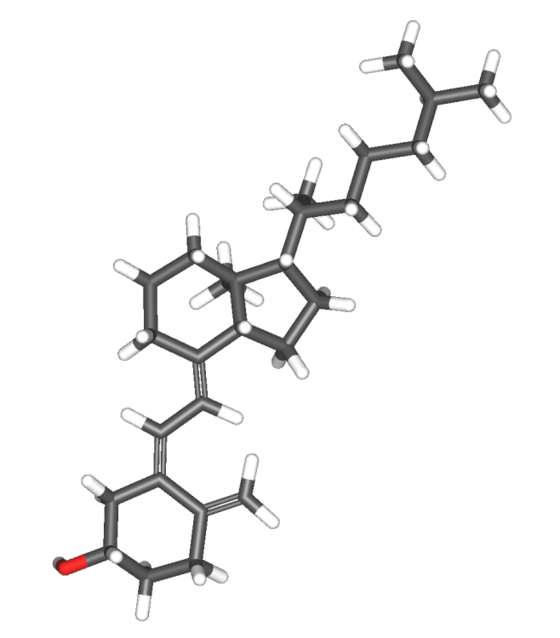
Carola Binder—Why You Should Get More Vitamin D: The Recommended Daily Allowance for Vitamin D Was Underestimated Due to Statistical Illiteracy
Note: At the bottom of this post I have links to my other posts on diet and health.
Carola Binder, like me, is blogging about diet and health. In her post "D is for Devastating: A Statistical Error and the Vitamin D Saga" she discusses the important news that the recommended daily allowance for Vitamin D should be more than ten times as big as it is. The recommendation of researchers who know what they are doing is 7000 IU. For me, that means this: In addition my regular multivitamin, each day I need to take three of the tiny 2000 IU Vitamin D3 gel capsules I get from Costco.
In general, it is better to get vitamins from natural sources when possible. But the most important natural source of vitamin D is sunshine. Short of giving up our indoor jobs, most of us are doomed to spend a lot less time outdoors than our ancestors, and so might not get enough Vitamin D from sunshine alone.
One indicator of the importance of Vitamin D to human health how quickly evolution lightened the skin tones of groups that left Africa and moved further from the equator. There is a substantial list of diseases that are more common at higher latitudes where there is less sunshine. T. Colin Campbell, in The China Study (a book I featured in "Meat Is Amazingly Nutritious—But Is It Amazingly Nutritious for Cancer Cells, Too?") argues that milk-drinking in high northern latitudes (and to a lesser extent, milk-drinking in high southern latitudes) is the problem. But the raw facts make me worry about the consequences of even mild Vitamin D deficiency. (It also makes me glad I moved to Colorado.) On page 383, T. Colin Campbell writes:
So far, we can see how adequate sunshine exposure, by ensuring enough storage form of vitamin D, helps to prevent cells from becoming diseased. This suggests that certain diseases might be more common in areas of the world where there is less sunshine, in countries nearer the North and South Poles. Indeed there is such evidence. To be more specific: in the Northern Hemisphere, communities that are farther north tend to have more Type 1 diabetes, multiple sclerosis, rheumatoid arthritis, osteoporosis, breast cancer, prostate cancer, and colon cancer, in addition to other diseases.
Researchers have known for eighty years that multiple sclerosis, for example, is associated with increasing latitude. As you can see in Chart C.2, there is a huge difference in MS prevalence as one goes away from the equator, being over 100 times more prevalent in the far north than at the equator. Similarly, in Australia, there is less sunshine and more MS as one goes farther south (r = 91%). MS is about sevenfold more prevalent in southern (43°S) than in northern Australia (19°S).
So it is a lot safer to assume that getting the right amount of Vitamin D matters than to blithely go on thinking you are getting the right amount of Vitamin D.
Too much Vitamin D can also be bad. So you have to get it right. As I noted above, the Wikipedia article on Vitamin D does not yet reflect what Carola says below. With both the official recommended daily allowance and the Wikipedia article off track, it might not be easy for you to get the real scoop on Vitamin D elsewhere. (It would be great if someone took it upon themselves to reflect Carola's post in the Wikipedia article on Vitamin D.)
As Carola discusses, Finland has already reformed it Vitamin D guidelines and has seen a decline in diabetes. Finland's Vitamin D fortification reform should also provide a test of how much of the extra multiple sclerosis, rheumatoid arthritis, osteoporosis, breast cancer, prostate cancer and colon cancer in high latitudes is due to Vitamin D deficiency. As other countries reform their Vitamin D guidelines, there will be more data for testing to what extent adequate Vitamin D can ward off these other diseases.
Below is Carola's account of how the current recommended daily allowance for Vitamin D came to be set at 600 IU instead of the more appropriate level of 7000 IU. Thanks, Carola, for permission to repost it here!
Statistical errors in research are quite common in research, and not always detected. As economists are well aware, when an error with important policy implications is revealed, it may prompt a media frenzy. I was surprised to learn recently of a major statistical error with potentially huge public health implications, yet with seemingly sparse media coverage when it was revealed.
The error concerns the Recommended Dietary Allowance (RDA) of Vitamin D. A 2014 paper found a statistical error in a study used by the Institute of Medicine (IOM) to determine the RDA, resulting in a recommendation that was about an order of magnitude too low.
I am neither a public health expert nor medically trained, but (following Miles Kimball's lead) have developed an interest in public health, and especially nutrition, research, largely due to its parallels with macroeconomic research. What little press coverage I did find about this Vitamin D study omitted technical discussion of the statistical error--"We'll spare you the gritty mathematical details," said one article. But I wanted these details, and so might you, so I dove in to what turned out to be a fascinating story. You may want to share it with your econometrics students: Correct interpretation of confidence intervals can truly be a matter of life and death.
First, some background. The human body can make Vitamin D (unlike other vitamins) when exposed to sunlight. It can also be attained by nutritional sources and supplements. Upon activation by the liver and kidneys, it acts as a hormone that plays a role in calcium metabolism. Sufficient Vitamin D is critical for bone health and a plethora of other health outcomes (more on that later). Research on the health effects of Vitamin D typically looks at health outcomes associated with different serum 25-hydroxyvitamin D (25(OH)D) levels (a measure of concentration in the blood).
The IOM issues dietary recommendations, including RDAs, for the US and Canada. The RDA is supposed to designate the nutrient intake sufficient to meet the needs of 97.5% of healthy individuals. For Vitamin D, issuing this guideline requires first deciding what 26(OH)D level is desirable, then deciding how much supplemental Vitamin D should be taken so that most people have the desired 26(OH)D level. Based on associations between 26(OH)D levels and various health outcomes, the IOM aimed to recommend an RDA that would result in 25(OH)D levels of 50 nmol/L or more.
The IOM then had to determine how much supplemental Vitamin D to recommend based on this goal. They looked at 10 studies of the dose response relationship of vitamin D intake and 25(OH)D. Some of these studies examined 25(OH)D levels for multiple different doses, so in total there were 32 estimates (the green diamonds in Figure 1). They fitted a dose response relationship curve to these points, with 95% confidence interval. The IOM came up with an RDA for individuals 1 to 70 years of age of 600 IU per day. You can see the vertical line at 600 in Figure 1. It intersects the fitted dose response curve at 63 nmol/L and the lower bound of the 95% confidence interval at 56 nmol/L. Remember, this was the amount that was supposed to achieve 25(OH)D levels of at least 50 nmol/L in at least 97.5% of healthy individuals.
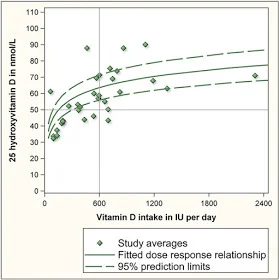
Figure 1. Source: Veugelers and Ekwaru (2014)
In October 2014, Paul J. Veugelers and John Paul Ekwaru explained in a paper in Nutrients that the IOM's interpretation of these confidence intervals was incorrect. They thought that 2.5% of individuals would have serum levels below the lower 95% confidence interval, but in this meta-analysis, the unit of observation was not the individual, but the study average. In the authors' words:
The correct interpretation of the lower prediction limit is that 97.5% of study averages are predicted to have values exceeding this limit. This is essentially different from the IOM’s conclusion that 97.5% of individuals will have values exceeding the lower prediction limit.
Veugelers and Ekwaru returned to the 10 studies, eight of which reported both average and standard deviation serum level for particular doses of Vitamin D. From these statistics, the authors could calculate the 2.5th percentile at each dose. Then they regressed these 2.5 percentile values (the 23 yellow dots in Figure 2) on vitamin D intake, coming up with the red dashed line in Figure 2. The green dashed lines are the confidence intervals from Figure 1, for the sake of comparison.
In the figure, you can see that at 600 IU per day, 97.5% of individuals will have serum levels above around 27 nmol/L, not 50 nmol/L. To get 97.5% of individuals with serum levels above 50 nmol/L, you would actually need a higher dose than any of the studies examined. Out-of-sample extrapolation led them to estimate that 8895 IU of vitamin D per day would actually be required. Veugelers and Ekwaru also pointed to two studies in which 10% or 15% of Canadian subjects had serum 25(OH)D levels of less than 50 nmol/L despite vitamin D supplementation at the RDA level. They wrote, "If the RDA had been adequate, these percentages should not have exceeded 2.5%. Herewith these studies show that the current public health target is not being met."
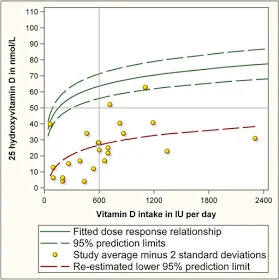
Figure 2. Source: Veugelers and Ekwaru (2014)
Veugelers and Ekwaru did caution that as 8895 IU of vitamin D per day "is far beyond the range of studied doses, caution is warranted when interpreting this estimate. Regardless, the very high estimate illustrates that the dose is well in excess of the current RDA of 600 IU per day and the tolerable upper intake of 4000 IU per day."
In March 2015, in the same journal, Robert Heaney, Cedric Garland, Carole Baggerly, Christine French, and Edward Gorham published a letter in the same journal that alleviated some of the concern about extrapolating beyond the available data. They presented entirely different data on individuals with daily vitamin D intakes from zero to over 10,000 IU. They came up with an estimate that was slightly lower than Veugelers and Ekwaru's, but confirming the finding that the IOM recommendation was around an order of magnitude too low, and wrote:
Thus, we confirm the findings of these investigators with regard to the published RDA for vitamin and we call for the IOM and all public health authorities concerned with transmitting accurate nutritional information to the public to designate, as the RDA, a value of approximately 7000 IU per day from all sources.
Like Veugelers and Ekwaru, Heaney et al. remarked upon the safety of such a high recommendation, though their take was more optimistic:
The total, all-source intake of 7000 IU/day is below the no observed adverse effect level (NOAEL) of both the IOM and the Endocrine Society, below the tolerable upper intake level (UL) of the Endocrine Society, and well within the safe range delineated by Hathcock et al., who had generated that range using the IOM’s method of hazard identification.
The hormonal role of vitamin D explains why the Endocrine Society also issues guidance about it. Remember, vitamin D is fat-soluble, so excess amounts are stored and can accumulate in body tissues-- hence the concern about safety at higher doses. Overall health benefits may increase with dose up to a point, and then start to decline. Initial guidelines on Vitamin D RDA were based on prevention of rickets. But as scientists have learned more about other health benefits, the cost-benefits calculus of vitamin D recommendations has shifted. This shift, however, was slow to be reflected inn health policy.
"Worldwide reports have highlighted a variety of vitamin D insufficiency and deficiency diseases. Despite many publications and scientific meetings reporting advances in vitamin D science, a disturbing realization is growing that the newer scientific and clinical knowledge is not being translated into better human health," wrote Andrew Norman in a 2008 issue of the American Journal of Clinical Nutrition. A 2007 article in the same journal, by Reinhold Vieth and many coauthors, describes the situation as a "frustrating and regrettable situation for nutrition researchers."
Vieth et al. summarize the many health benefits attributable to adequate vitamin D, and evidence that the tolerable upper limit is around ten times higher than officially-recommended intakes. But they point to an over-cautious and under-nuanced take by the public media that has kept public supplemental intake too low:
Evaluation of most relations of health and disease that involve vitamin D leads to the conclusion that a desirable 25(OH)D concentration is ≥75 nmol/L (30 ng/mL). If a concentration of 75 nmol/L is the goal to be achieved by consumption of vitamin D, then why is it so rare for members of the population to accomplish this? One reason is that almost every time the public media report that vitamin D nutrition status is too low, or that higher vitamin D intakes may improve measures of health, the advice that accompanies the report is outdated and thus misleading. Media reports to the public are typically accompanied by a paragraph that approximates the following: “Current recommendations from the Institute of Medicine call for 200 IU/d from birth through age 50 y, 400 IU for those aged 51–70 y, and 600 IU for those aged >70 y. Some experts say that optimal amounts are closer to 1000 IU daily. Until more is known, it is wise not to overdo it.” The only conclusion that the public can draw from this is to do nothing different from what they have done in the past.
The evidence in favor of higher 25(OH)D concentration and a higher RDA continued to grow in subsequent years. "Despite research on the association between low vitamin D status and many diseases, no consensus has emerged on the optimal serum 25(OH)D concentration. The concern is whether it is safe to maintain serum 25(OH)D concentrations in the range high enough to prevent some types of cancers and coronary heart disease," wrote Garland et al. 2014 in the American Journal of Public Health. In a meta-analysis of serum 25(OH)D and age-adjusted all-cause mortality, they showed that overall age-adjusted hazard ratios for mortality decline steeply with 25(OH)D for serum levels below 30 nmol/L, then gradually level off (Figure 3). The hazard ratio is not statistically different from 1 at 36 nmol/L.
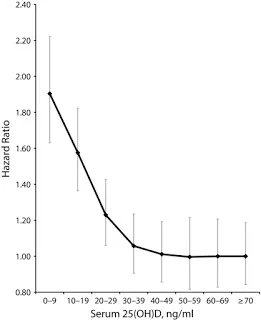
Figure 3. Source: Garland et al. 2014
In Finland, public health policy was changed in response to widespread low serum 25(OH)D concentration. Vitamin D fortification of certain dairy products and spreads began in 2002, and fortification levels were increased in 2010. This was successful in raising vitamin D intake, and health benefits are already measurable. In July 2017, Dimitrios Papadimitriou noted in the Journal of Preventive Medicine and Public Health the Type I diabetes, which had been on the rise, leveled off and then declined in Finland after the vitamin D fortification policy was implemented. Papadimitriou discusses vitamin D's role as a "powerful nuclear receptor-activating hormone of critical importance, especially to the immune system," and calls for public health authorities worldwide to modify RDAs in line with now quite substantive scientific research.
Papadimitriou titled his article "The Big Vitamin D Mistake," referring in a narrow sense to the IOM's statistical error. But he really discusses a mistake in a broader sense-- mounting evidence has been too slow to be incorporated into policymaking and practice.
Don't miss these other posts on diet and health and on fighting obesity:
- Stop Counting Calories; It's the Clock that Counts
- Forget Calorie Counting; It's the Insulin Index, Stupid
- Obesity Is Always and Everywhere an Insulin Phenomenon
- The Case Against Sugar: Stephan Guyenet vs. Gary Taubes
- The Case Against the Case Against Sugar: Seth Yoder vs. Gary Taubes
- How Sugar Makes People Hangry
- The Keto Food Pyramid
- Why a Low-Insulin-Index Diet Isn't Exactly a 'Lowcarb' Diet
- Hints for Healthy Eating from the Nurse's Health Study
- A Conversation with David Brazel on Obesity Research
- Mass In/Mass Out: A Satire of Calories In/Calories Out
- Carola Binder: The Obesity Code and Economists as General Practitioners
- Jason Fung: Dietary Fat is Innocent of the Charges Leveled Against It
- Faye Flam: The Taboo on Dietary Fat is Grounded More in Puritanism than Science
- Diseases of Civilization
- Sugar as a Slow Poison
- Katherine Ellen Foley—Candy Bar Lows: Scientists Just Found Another Worrying Link Between Sugar and Depression
- Ken Rogoff Against Sugar and Processed Food
- Kearns, Schmidt and Glantz—Sugar Industry and Coronary Heart Disease Research: A Historical Analysis of Internal Industry Documents
- Intense Dark Chocolate: A Review
- Salt Is Not the Nutritional Evil It Is Made Out to Be
- Whole Milk Is Healthy; Skim Milk Less So
- How the Calories In/Calories Out Theory Obscures the Endogeneity of Calories In and Out to Subjective Hunger and Energy
- Putting the Perspective from Jason Fung's "The Obesity Code" into Practice
- Julia Belluz and Javier Zarracina: Why You'll Be Disappointed If You Are Exercising to Lose Weight, Explained with 60+ Studies (my retitling of the article this links to)
- Meat Is Amazingly Nutritious—But Is It Amazingly Nutritious for Cancer Cells, Too?
- Diana Kimball: Listening Creates Possibilities
- On Fighting Obesity
- The Heavy Non-Health Consequences of Heaviness
- Analogies Between Economic Models and the Biology of Obesity
- Debating 'Forget Calorie Counting; It's the Insulin Index, Stupid'
Also see the last section of "Five Books That Have Changed My Life."
Relative Price Changes, 1997-2017


Hat tip to Shawn Ruest for flagging this article.
My inaugural lecture here at the University of Colorado Boulder, "Restoring American Growth," meditates on the issues raised by this graph.
Why America Needs Marvin Goodfriend on the Federal Reserve Board
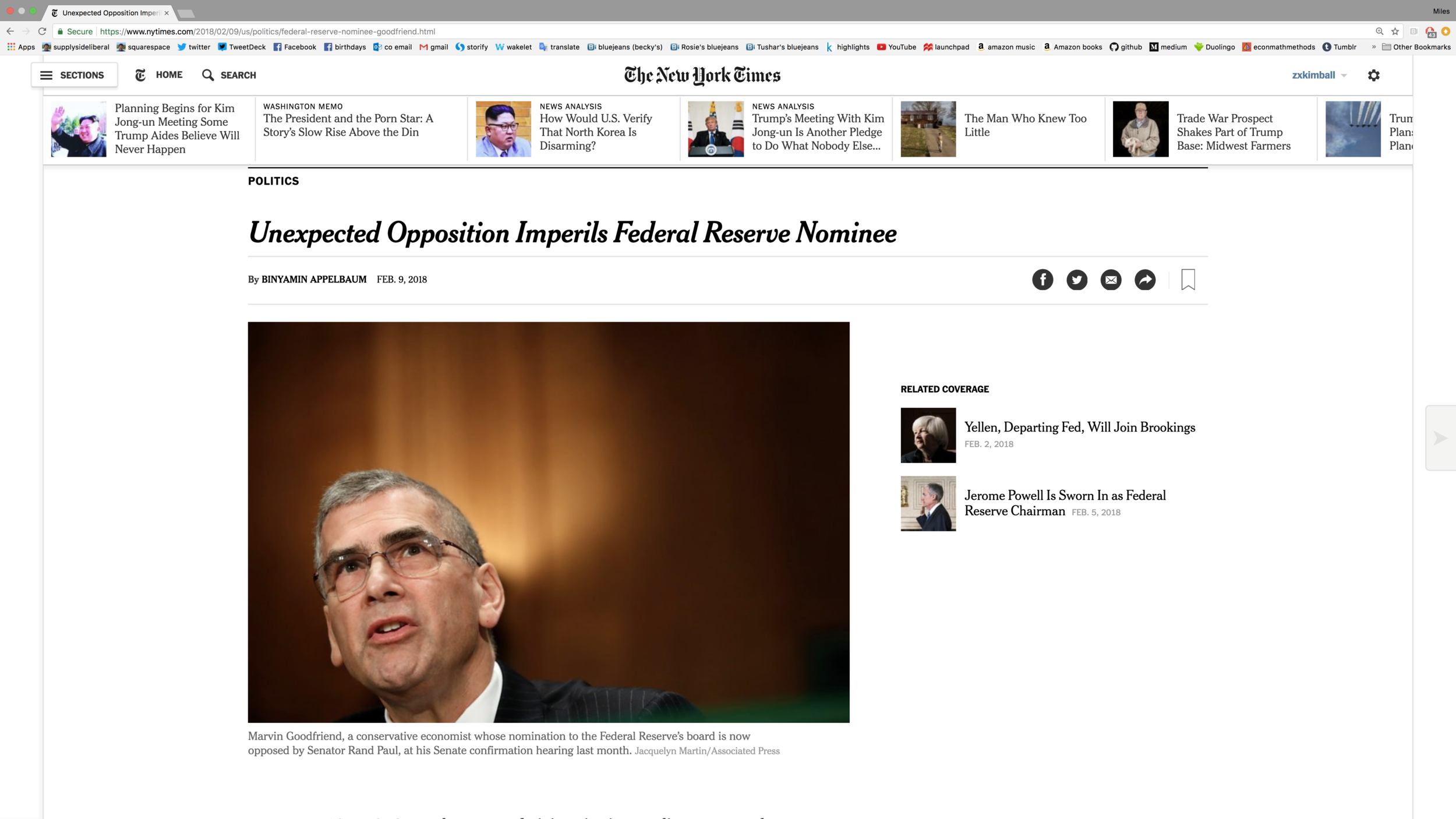
We need Marvin Goodfriend on the Federal Reserve Board to help insure that we don't suffer another Great Recession. I urge the Senate to confirm Marvin Goodfriend. Of anyone who has ever been nominated for the Federal Reserve Board or served as President of one of the regional Federal Reserve Banks, Marvin Goodfriend has the deepest understanding of negative interest rate policy and is the strongest advocate of negative interest rate policy.
On how negative interest rates can stop a rerun of the Great Recession, see
- America's Big Monetary Policy Mistake: How Negative Interest Rates Could Have Stopped the Great Recession in Its Tracks
- On the Great Recession
- How and Why to Eliminate the Zero Lower Bound: A Reader’s Guide
Rand Paul has misguided views on monetary policy, but he understands that the real issue in whether to confirm Marvin Goodfriend is that Marvin would be the greatest expert on negative interest rate policy ever to sit on the FOMC, the US's monetary policy committee. Binyamin Applebaum writes this in his February 9, 2018 Wall Street Journal article "Unexpected Opposition Imperils Federal Reserve Nominee":
Mr. Paul’s opposition has very different roots. He said Thursday that he was concerned about a paper Mr. Goodfriend wrote in 2000 proposing that the government put magnetic strips on money so it could, under certain circumstances, impose a tax on cash. The proposal was intended to help the government encourage spending during periods of low inflation and low interest rates.
“That doesn’t sound very exciting to me,” Mr. Paul, a libertarian, said Thursday.
Mr. Goodfriend has since abandoned the specific proposal, but in his academic writings he has continued to advocate other forms of “negative interest rates” — policies that make it expensive to hold money when the government wants to encourage spending.
It is Democratic senators who don't seem to understand that having someone on the Federal Reserve Board who knows how to stop another Great Recession in its tracks with negative interest rate policy is much, much more important than any other aspect of Marvin Goodfriend's monetary policy views. It may be that in normal times, Marvin would lean toward monetary policy that is too tight. This is small beer compared to Marvin's role as an insurance policy against the worst case scenario of another Great Recession, or even secular stagnation. And anything Democrats disagree with over Marvin's views on issues other than negative interest rate policy are things they are likely to disagree with over the views of whoever the next nominee by Donald Trump would be. This is a golden opportunity to get someone on the Federal Reserve Board who brings something no other Donald Trump nominee is likely to bring: being fully prepared for a true economic emergency.
To understand Marvin's views on negative interest rate policy and his deep insight into it, see "Some Selections Related to Negative Interest Rate Policy from the General Discussions at the 2016 Jackson Hole Symposium on 'Designing Resilient Monetary Policy Frameworks for the Future'" and the paper Marvin presented there: "The Case for Unencumbering Interest Rate Policy at the Zero Bound." What you will see there is fully consistent with the views Marvin has expressed in one-on-one conversations I have had with him. I am a bit more of an optimist than Marvin that the key move to enable deep negative interest rates can be done methodically and smoothly. That key move is having paper currency going off par with reserves at the Fed. (In this context, I have often referred to reserves as "electronic money" or "bank money.") Marvin's paper "The Case for Unencumbering Interest Rate Policy at the Zero Bound," envisions paper currency going off par with reserves suddenly, in a crisis atmosphere.
My knowledge of Marvin's views on other aspects of monetary policy is limited to what I read in the news. Sam Bell has a series of tweets on Marvin's views here and here. For the record, you can see my views on aspects of monetary policy other than negative interest rate policy in "Next Generation Monetary Policy" and in my monetary policy subblog.
My Views on Other Plausible Nominees to the Fed: Past, Present and Future. If we had a Democratic president, two plausible nominees to turn to with a good understanding of negative interest rate policy would be Larry Summers and Seth Carpenter. Of plausible nominees by a Republican president, the only other person I can think of who would be comparable in understanding of negative interest rate policy to Marvin Goodfriend would be Greg Mankiw. I am biased in Greg's favor because he was my PhD dissertation advisor, but there is general agreement that Greg is fearsomely smart and scientifically broad-minded.
In monetary policy appointments that are not under the control of Donald Trump, one of the best for the sake of financial stability would be to appoint Anat Admati as President of the New York Fed. This is a powerful position with a big role in both monetary policy and financial regulation. Anat would really make a difference for financial stability. I am joined in recommending Anat Admati for President of the New York Fed by Pedro da Costa. See his Business Insider piece "America’s Next Bankruptcy."
I am not always positive about nominees to the Fed. See "Contra Randal Quarles." I would have preferred to see Janet Yellen reappointed, but Jerome Powell is a reasonable choice as Chair of the Fed. On Jerome Powell, see A New Era for the Fed" and "Podcast: Miles Kimball on the Fed's New Jerome Powell Era." In particular, I trust Jerome Powell as Chair of the Fed more than I would John Taylor, due to the kinds of issues I raise in my 2013 post "Contra John Taylor." Based on what I know, I think Richard Clarida is a very good choice as Vice Chair of the Fed among plausible Republican nominees.
Conclusion. For Democrats and Republicans alike, Donald Trump's nomination of Marvin Goodfriend to the Federal Reserve Board is a huge opportunity to make America's monetary policy better in the worst case scenarios that could be around the corner. That is the big picture.
Hints for Healthy Eating from the Nurses’ Health Study
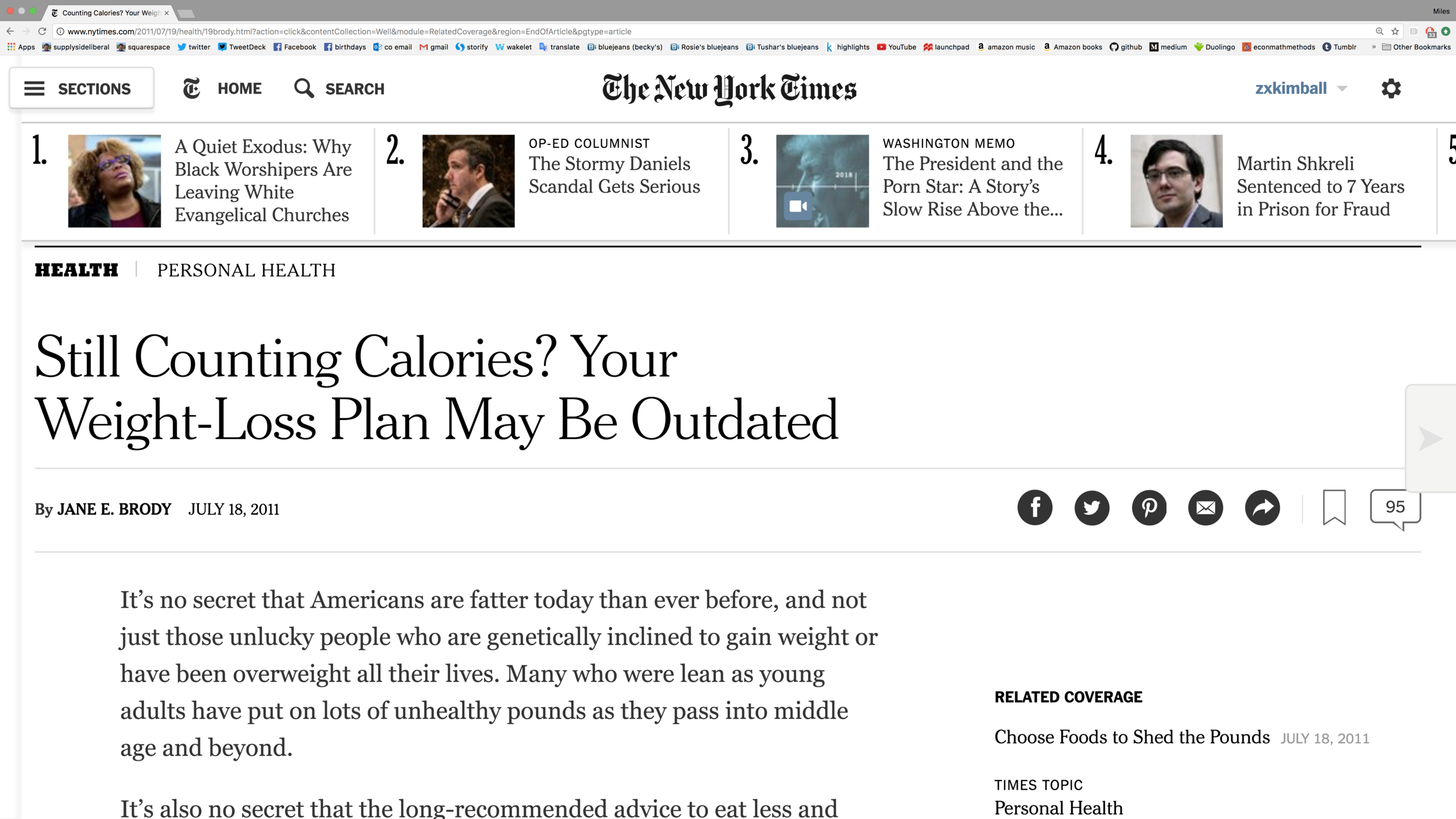
The trouble with observational studies of diet and health that don't include any intervention is the large number of omitted variables that are likely to be correlated with the variables that are directly studied. Still, it is worth knowing for which things one can say:
Either this is bad, or there is something else correlated with it that is bad.
When multivariate regression is used, one might be able to strengthen this to
Either this is bad, or there is something else bad correlated with it that is not completely predictable from the other variables in the regression.
This statistical point is directly relevant to the results of the Nurses’ Health Study, Nurses’ Health Study II and the Health Professionals Follow-up Study analyzed by Dariush Mozaffarian, Tao Hao, Eric B. Rimm, Walter C. Willett, and Frank B. Hu in their 2011 New England Journal of Medicine article "Changes in Diet and Lifestyle and Long-Term Weight Gain in Women and Men."
Below are some of the results, as reported by Jane Brody in a 2011 New York Times article. All the quotations below are from her article.
First, the data hint that focusing only on calories is a mistake; there were many relationships between types of food eaten and amount of weight gain. Here is the view of the first author of the study:
Also untrue, Dr. Mozaffarian said, is the food industry’s claim that there’s no such thing as a bad food.
“There are good foods and bad foods, and the advice should be to eat the good foods more and the bad foods less,” he said. “The notion that it’s O.K. to eat everything in moderation is just an excuse to eat whatever you want.”
Second, although exercise is disappointing as a way of losing weight (see "Julia Belluz and Javier Zarracina: Why You'll Be Disappointed If You Are Exercising to Lose Weight, Explained with 60+ Studies), exercise may be quite helpful in not gaining weight:
The study showed that physical activity had the expected benefits for weight control. Those who exercised less over the course of the study tended to gain weight, while those who increased their activity didn’t. Those with the greatest increase in physical activity gained 1.76 fewer pounds than the rest of the participants within each four-year period.
One reason this may be true is that exercise helps reduce the insulin resistance of muscles. See "Obesity Is Always and Everywhere an Insulin Phenomenon" for a discussion of the important role of insulin resistance in weight gain. However,
“Both physical activity and diet are important to weight control, but if you are fairly active and ignore diet, you can still gain weight,” said Dr. Walter Willett, chairman of the nutrition department at the Harvard School of Public Health and a co-author of the study.
One of the biggest red flags pointing to omitted variables in the study is this:
Participants who were overweight at the study’s start tended to gain the most weight ...
That is, whatever made people gain weight before the period of time a statistical analyses focused on what likely to make them keep gaining weight, and controlling for the factors the study had data doesn't account for all the factors that made people gain weight in the past and are likely to keep making them gain weight in the future. There is an important lesson in this: if you are gaining weight, you need to do something different than you have been doing.
This is a lesson that can be applied to our nation as a whole (and almost all nations): average levels of obesity are rising, so we need to do something different than we have been doing! Stop for a moment and try to describe for yourself what the approach to weight-control has been for the last few decades and clearly label that in your mind as something that is not working.
What about particular foods? Here are the estimates of how well eating different foods predicted weight gain or weight loss in pounds over a four-year period:
french fries +3.4
potato chips +1.7
sugar-sweetened drinks +1
red meats +.95
processed meats +.93
potatoes +.57
sweets and desserts +.41
refined grains +.39
other fried foods +.32
100% fruit juice +.31
butter +.3
fruits, vegetables and whole grains ≈0
skim milk ≈0
full-fat milk or cheese ≈0
nuts and nut butter <0
yogurt -.82
This is an interesting list to compare to the insulin index of various kinds of food and drink that I discuss in "Forget Calorie Counting; It's the Insulin Index, Stupid." Let's see if the results in the table above that couldn't be predicted from the insulin index sound like they point to omitted variables. Here are two categories: worse than expected based on the insulin index and better than expected. In both cases, let me frame things as what the omitted variables would have to be like to make the results no mystery.
Would have to be correlated with bad omitted variables to square the results of this observational study with the predictions of the insulin index:
red meat
processed meat
butter
Would have to be correlated with good omitted variables to square the results of this observational study with the predictions of the insulin index:
yogurt
skim milk
fruit
Think now of the type of people who eat red meat, processed meats and butter compared to the types of people who eat yogurt and fruit and drink skim milk. Even after controlling for variables that were in the analysis, people eating yogurt (even sugary yogurt), fruit and drinking skim milk could easily be doing something else right. And people eating red meat, processed meat and butter could easily be doing something else wrong. This is more likely to be true because all the variables in the analysis are measured imperfectly, so each variable in the analysis only partially controls for the thing it is supposed to measure.
Jane Brody does point to an intriguing possibility for why yogurt might look as helpful for weight loss as it does:
That yogurt, among all foods, was most strongly linked to weight loss was the study’s most surprising dietary finding, the researchers said. Participants who ate more yogurt lost an average of 0.82 pound every four years.
Yogurt contains healthful bacteria that in animal studies increase production of intestinal hormones that enhance satiety and decrease hunger, Dr. Hu said. The bacteria may also raise the body’s metabolic rate, making weight control easier.
Currently, I don't eat much yogurt, but I do take a supplement made by Steven Gundry's company with probiotics in it, plus another complementary supplement that is supposed to make things nice and comfy in my gut for good bacteria:


Link to PrebioThrive description
If the effect of yogurt's probiotics on metabolic rate is a big factor in yogurt looking good, looking at effects on metabolic rate makes sugar and starches look bad—including the sugar in sweetened yogurt as opposed to plain yogurt:
But, consistent with the new study’s findings, metabolism takes a hit from refined carbohydrates — sugars and starches stripped of their fiber, like white flour. When Dr. David Ludwig of Children’s Hospital Boston compared the effects of refined carbohydrates with the effects of whole grains in both animals and people, he found that metabolism, which determines how many calories are used at rest, slowed with the consumption of refined grains but stayed the same after consumption of whole grains.
Here is one last hint of omitted variables: the predictions one can make based on what types of alcoholic beverages an individual drinks. Jane Brody writes:
Alcohol intake had an interesting relationship to weight changes. No significant effect was found among those who increased their intake to one glass of wine a day, but increases in other forms of alcohol were likely to bring added pounds.
On average, beer drinkers just aren't the same types of people as people who drink wine! Beer does have a higher insulin index than wine, but they are both quite low on the insulin index. So drinking wine should be better judging from the insulin index alone, but I suspect the size of the extra weight gain for beer drinkers has a lot to do with omitted variables.
By and large, the results of this analysis of data from the Nurses' Health Study and its sister studies jive quite well with the recommendations I give in "Forget Calorie Counting; It's the Insulin Index, Stupid." And where they don't, it is easy to see possible omitted variables.
Recommendations where there were surprises relative to the insulin index: There is no harm in keeping one's meat consumption low. Indeed, because meat is at a middling level on the insulin index rather than a low level, I recommend eating meat sparingly in "Why a Low-Insulin-Index Diet Isn't Exactly a 'Lowcarb' Diet." The analysis described here has skim milk and whole milk as equal, while the insulin index suggests skim milk is worse. That, plus the fact that whole milk tastes a lot better suggests that you should stick with whole milk if you drink milk at all. Whole fruit has many good nutrients, so I have always recommended eating more of it than the insulin index alone would suggest. Plain, full-fat, unsweetened yogurt is a great thing to eat anyway, if you are OK with dairy.
Thus, in my recommendations, the one place I depart most from what this analysis of Nurses' Health Study and its sister surveys is that treat butter as healthy. I may be wrong, but my actions are based on that view. Here is one way I might be totally right. Bread is very high on the insulin index. People who eat butter are likely to eat more bread. And that is unlikely to be fully captured by the the imperfect measure of bread-eating in the study.
Importantly, in our society, it is not socially acceptable to eat butter straight. So butter eating is highly correlated with eating other things, many of which are quite unhealthy. If half the population ate butter straight while the other half didn't eat butter at all, the estimated predictive power of butter for weight-gain in "Changes in Diet and Lifestyle and Long-Term Weight Gain in Women and Men" might have been very different.
Don't miss these other posts on diet and health and on fighting obesity:
The Case Against the Case Against Sugar: Seth Yoder vs. Gary Taubes
Carola Binder: The Obesity Code and Economists as General Practitioners
Jason Fung: Dietary Fat is Innocent of the Charges Leveled Against It
Faye Flam: The Taboo on Dietary Fat is Grounded More in Puritanism than Science
Putting the Perspective from Jason Fung's "The Obesity Code" into Practice
Julia Belluz and Javier Zarracina: Why You'll Be Disappointed If You Are Exercising to Lose Weight, Explained with 60+ Studies (my retitling of the article this links to)
Meat Is Amazingly Nutritious—But Is It Amazingly Nutritious for Cancer Cells, Too?
Analogies Between Economic Models and the Biology of Obesity
Debating 'Forget Calorie Counting; It's the Insulin Index, Stupid'
Also see the last section of "Five Books That Have Changed My Life."
Edward Harrison: Lael Brainard Speech Echoes Powell in Hawkish Fed Policy Shift →
The piece linked above is an excellent discussion of Lael Brainard's speech, which in turn is a very interesting discussion of the state of the US economy.
John Locke: The Purpose of Law Is Freedom

In the course of arguing against parental power as a justification for monarchy, John Locke gives a powerful statement of how law serves freedom in section 57 of his 2d Treatise on Government: “Of Civil Government” (Chapter VI. Of Paternal Power).
First, John Locke argues that natural law is rational:
The law, that was to govern Adam, was the same that was to govern all his posterity, the law of reason. But his offspring having another way of entrance into the world, different from him, by a natural birth, that produced them ignorant and without the use of reason, they were not presently under that law; for nobody can be under a law, which is not promulgated to him; and by this law being promulgated or made known by reason only, he that is not come to the use of his reason, cannot be said to be under this law;
Then he makes the startling claim that because children can't fully understand natural law, they are not fully free:
... and Adam’s children, being not presently as soon as born under this law of reason, were not presently free:
John Locke then suggests that law has a utilitarian (if not, anachronistically Utilitarian) purpose:
... for law, in its true notion, is not so much the limitation as the direction of a free and intelligent agent to his proper interest, and prescribes no farther than is for the general good of those under that law:
As a good proto-economist, John Locke then suggests that if law didn't make people better off, it would be discarded:
... could they be happier without it, the law, as an useless thing, would of itself vanish;
One of his nicest lines is this example of how limits are not always a reduction in freedom:
... and that ill deserves the name of confinement which hedges us in only from bogs and precipices.
Freedom is not just doing what you want, it is other people not doing what you desperately want them not to do:
So that, however it may be mistaken, the end of law is not to abolish or restrain, but to preserve and enlarge freedom: for in all the states of created beings capable of laws, where there is no law, there is no freedom: for liberty is, to be free from restraint and violence from others; which cannot be, where there is no law:
One of the toughest issues for Libertarians is the autocratic authority of employers over their employees. Chris Bertram, Corey Robin and Alex Gourevitch make this point trenchantly in "Let It Bleed: Libertarianism and the Workplace." (I also wrestle with this a bit in my post "Jobs.") In those situations the boss does whatever he wants, but the employees have little freedom. What John Locke says next seems relevant here:
... but freedom is not, as we are told, a liberty for every man to do what he lists: (for who could be free, when every other man’s humour might domineer over him?)
Liberty is not for a few people to be able to do whatever they want, but for each individual to have a sphere in which she or he is the master:
... but a liberty to dispose and order as he lists, his person, actions, possessions, and his whole property, within the allowance of those laws under which he is, and therein not to be subject to the arbitrary will of another, but freely follow his own.
To me, the most interesting new idea is that to count as freedom, there must be enough rules to prevent any individual from being domineering. That is a tough standard for a society to meet, but a worthy goal.
For links to other John Locke posts, see these John Locke aggregator posts:
Martin Feldstein Shows Too Little Imagination about How to Tame the US National Debt
Link to the article above
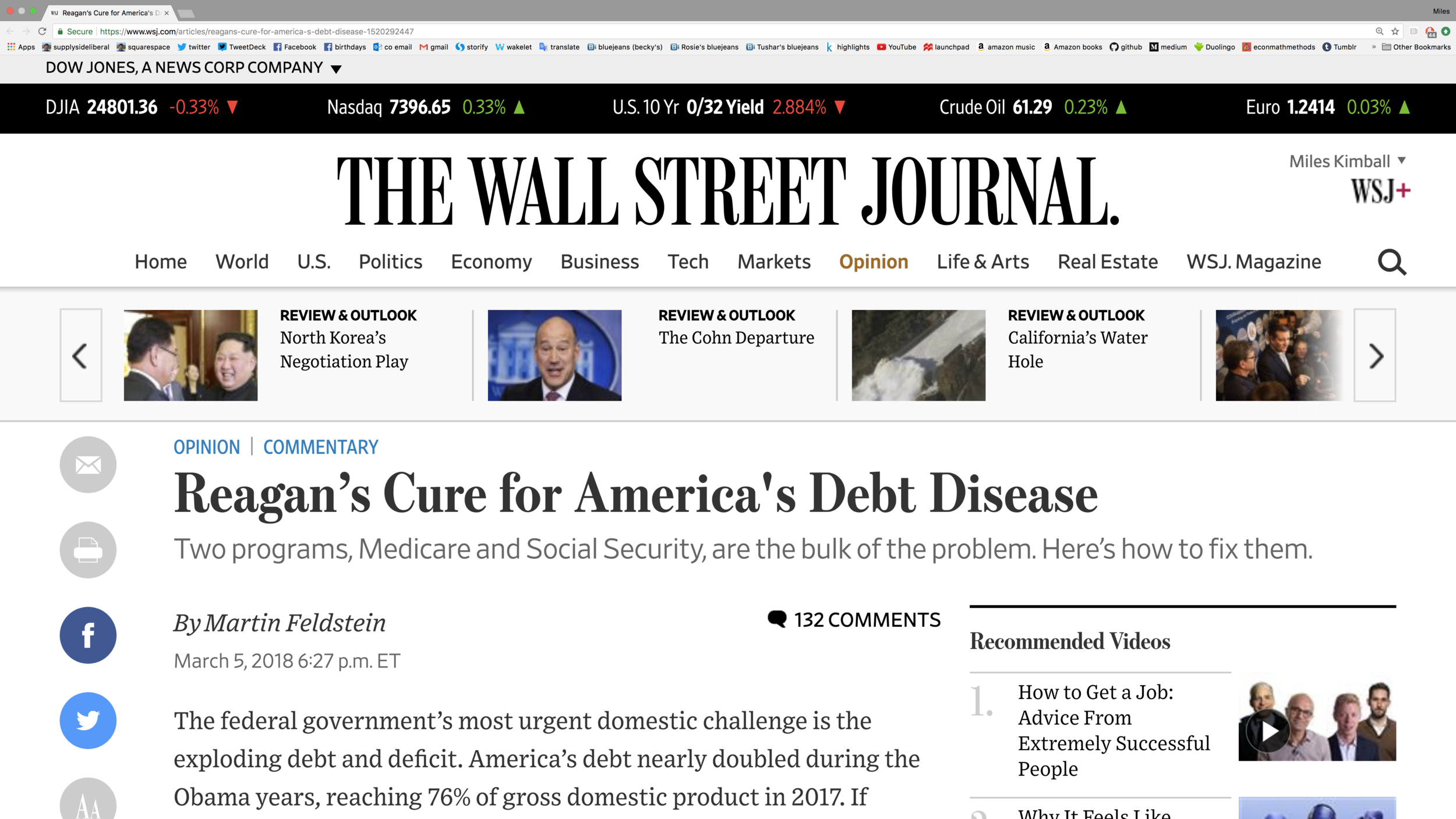
As I wrote in "QE or Not QE: Even Economists Need Lessons in Quantitative Easing, Bernanke Style," Martin Feldstein is a very important, influential and intelligent economist. So it is disappointing that he has no new ideas to offer in order to rein in the trajectory of the US national debt in his latest Wall Street Journal op-ed, "Reagan’s Cure for America's Debt Disease."
Martin Feldstein suggests that we can raise the retirement ages built into Social Security's formula and increase premiums for Medicare for those with higher incomes. Proposals like this have been around for a long time. They would both be quite painful to many people and not do enough to rein in the trajectory of the US national debt.
One particular problem with raising the retirement ages built into the Social Security formulas is that it would lead to more people trying to claim disability insurance; determination of eligibility for disability insurance generates considerable transactions costs.
A late retirement age for Social Security is particularly difficult for blue collar workers who have had physically grueling jobs. It is also hard on people who simply have less money. Furthermore, the poor tend to die young, so that delaying Social Security has a large effect on the total amount they get.
Let me lay out some ideas that are less painful, while avoiding any strong incentive for people to reduce their work effort or to make other changes that are socially wasteful.
1. Raising the Social Security Retirement Age Only for the Well-Off. One way to deal with the fact that a later retirement age is cruel to the poor is to have a gradual increase in the normal Social Security retirement age (and the early Social Security retirement age) be limited to individuals who have a high level of total lifetime Social Security earnings. This is a much better way of doing means-testing than making Social Security benefits or Medicare premiums depend on current income. For people near retirement, for whom most of the total lifetime Social Security earnings are far in the past, it shouldn't create much of an incentive to reduce work effort. And even for young workers, any additional incentive to work less would (a) require a well-above-average level of foresight, (b) caring a lot about the distant future and (c) a change in lifestyle since the change in labor income would have to be long-term.
2. Get More Immigrants Who Will Pay a Lot of Social Security and Medicare Taxes. Let me now turn to ways to deal with the challenge of paying for Social Security and Medicare that have nothing to do with cutting benefits or raising premiums. One of the easiest is to let in more immigrants in a way designed to maximize the extra tax revenue and minimize the extra costs of the additional immigrants. This involves making it much easier for young people with high skills to immigrate. (See Obama Could Really Help the US Economy by Pushing for More Legal Immigration.") If, in addition to skills that will help in the labor market, we required high levels of language skills and high levels of familiarity with American culture, there would be less backlash from this kind of immigration than immigration by low-skilled individuals who have more difficulty with English and less familiarity with American culture. (I am also in favor of more of allowing more immigration by people who would be desperately poor in their country of origin who could have a decent life if we allowed them in. See "'The Hunger Games' Is Hardly Our Future--It's Already Here." However, that type of immigration is somewhat less helpful with our debt problem. Moreover—at least temporarily—the political winds are blowing the other way.)
3. Require More Charitable Donations for a Limited List of Good Things that Includes Better Taking Care of the Elderly. As I say in "How and Why to Expand the Nonprofit Sector as a Partial Alternative to Government: A Reader’s Guide," there are many advantages to getting certain things done through the nonprofit sector rather than through the government:
- Because the nonprofit sector is more decentralized, it involves a more diverse body of key decision-makers and so can be more creative than government.
- In the nonprofit sector, it is easier to sunset programs that don’t work well than in government; people can stop donating to them.
- Nonprofit sector provision of public goods tends to be cheaper since wages in the nonprofit sector tend to be lower than in the private for-profit sector, while government wages tend to be higher than in the private for-profit sector.
- Even if giving to some charity is required, giving to a charity of one’s choice is much more fun than forking over taxes to the government. Therefore, people will distort their behavior less to avoid required charitable donations than they would to avoid taxes.
- Through cognitive dissonance, many who are required to give to charities will end up thinking of themselves as more altruistic and end up actually becoming more altruistic (including for many donating time as well as money to a charity). This tendency will be reinforced by discussing with friends what charity to give to. And children will be brought up surrounded by a culture of giving.
- Thinking about which charity to give to will help educate people about the issues surrounding public good provision.
I argued in "No Tax Increase Without Recompense" that a "public contribution system" of requiring people to either pay more taxes or increase their "public contributions" by the same amount could avoid a big increase in the national debt while still making sure key things get taken care of. We want to get a lot of public goods—including knowing that our elderly are well taken care of. We can get those public goods while still letting people have the fun of deciding where their public contribution should go. This would be much like our current system of charitable donations, with a lot of choices for individuals about how their money would be used, but somewhat more focused on things that the government would otherwise have to do, or should be doing if it is not taken care of by private efforts.
If we simply resent "the rich," or feel that "the rich" have too much power, then a key objective of a tax increase might be to force them to give up their money and let that money be spent in a democratically determined way. (Here are I am trying to channel some of the comments I have received from people objecting to my idea for a public contribution system.) In that case, the system could be designed to cap the amount of extra taxes that could be avoided by making public contributions (at some cost of reducing the incentive to become rich.) But those who we don't put in the mental category "the rich" also need to be required to either pay more taxes or give more to charity, or we won't get enough things done. Our mental category of "the rich" tends to be small enough that there just isn't enough money among "the rich" to get all the public goods we should have. European countries that have a lot of government spending make middle-class people pay a lot of taxes. They don't manage to do it by taxing "the rich" alone.
4. More Scientific Research on How to Fight Obesity. A large share of Medicare costs come from diseases associated with obesity. Many of these are chronic diseases are expensive to treat the way we treat them now. But they might be relatively inexpensive to prevent. A good example of the kind of research that can really help is the DIETFITS Randomized Clinical Trial that I wrote about earlier this week in "Why a Low-Insulin-Index Diet Isn't Exactly a 'Lowcarb' Diet." In that post and the posts flagged at the bottom of that one, you can see my thoughts about how to fight the rising tide of obesity, including some ideas about questions that need to be researched.
The DIETFITS study cost $8 million, which is peanuts compared to the Medicare costs that can be saved due to the insights it provided. But because of the funding situation, this study was only funded after 7 grant rejections. What a travesty to let there be so many obstacles in the path to doing such research! We need many more studies like this, testing many hypotheses about what will work in bending the curve on obesity. The US government is being penny-wise and pound-foolish if it doesn't dramatically increase the funding for research on fighting obesity.
If funding is tight for obesity research, it doesn't just reduce the total amount of funding for obesity research, it reduces the share of that research pie that is truly daring, that could overturn established orthodoxies. When most grants get rejected, the few that get through are usually those that hew to whatever the orthodoxy is in a field.
Conclusion. The increase in national debt that we will see if current policies are continued is indeed a problem. But Martin Feldstein offers only old ideas. There are better ways to tame the US national debt in the face of the aging of the US population.
Dan Kahan: Being Smart and Reflective Doesn't Make People More Open Minded, But Curiosity Does →
See also "Tim Harford: Facts Without Curiosity are Dead." Hat tip to Noah Smith.